10 Draft Horse Health Facts
Do you love draft horses? Learn about 10 of their unique health and management needs in this special report.

Do you love draft horses? Learn about 10 of their unique health and management needs in this special report.
Researchers examined horses’ physiological responses during transport while cross-tied or traveling loose.

Some veterinarians now believe that metabolic diseases likely have a negative impact on equine reproduction.

Learn about the best ways to reduce stress when transporting horses by land or air.

According to data from the U.S. Department of Agriculture, 64 cases of WNV have been confirmed in 23 states.
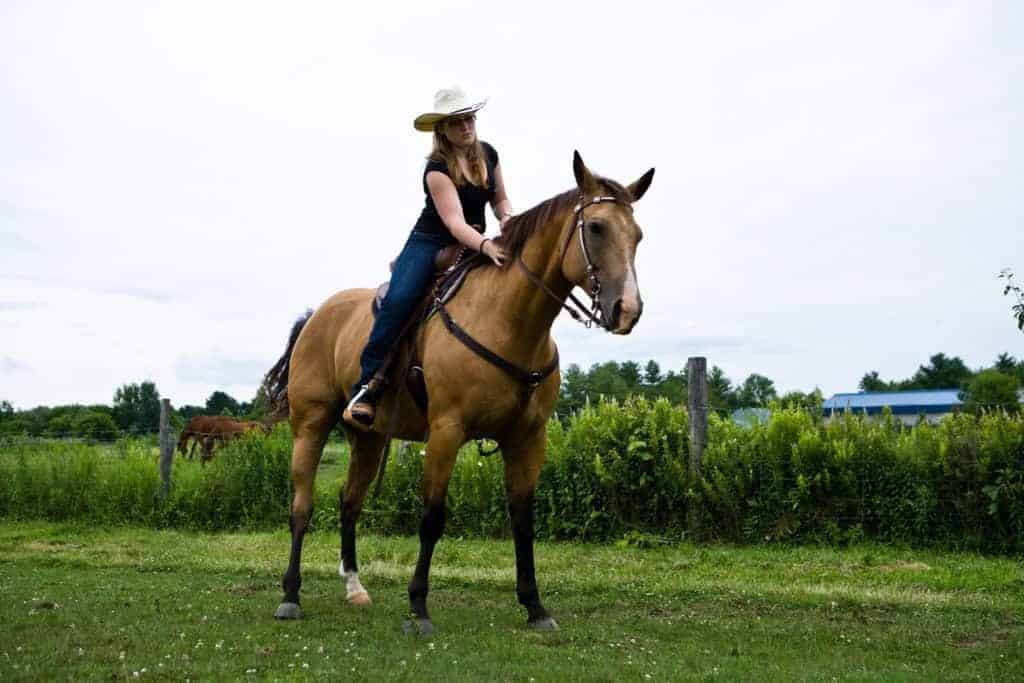
Researchers proved that horses can become “lighter” with proper negative reinforcement training.
PHF can have serious complications, and the fatality rate in untreated cases can be up to 30%.
The Operation Gelding program provides funds and materials to assist with castration clinics.

Summer might be nearing its end, but reports of confirmed EEE cases keep rolling in.

Why do horses act so suspicious of water they cross regularly, and what can we do to build their confidence?

Researchers are studying how forces applied by saddle and rider affect a horse’s performance and welfare.

An unvaccianted 10-year-old Quarter Horse mare from Hopkins County tested positive for WNV late last week.

The property was quarantined last month following the confirmation of the hendra virus in a horse and a dog.

Animal health officials are reminding equid owners statewide to watch for West Nile virus (WNV).
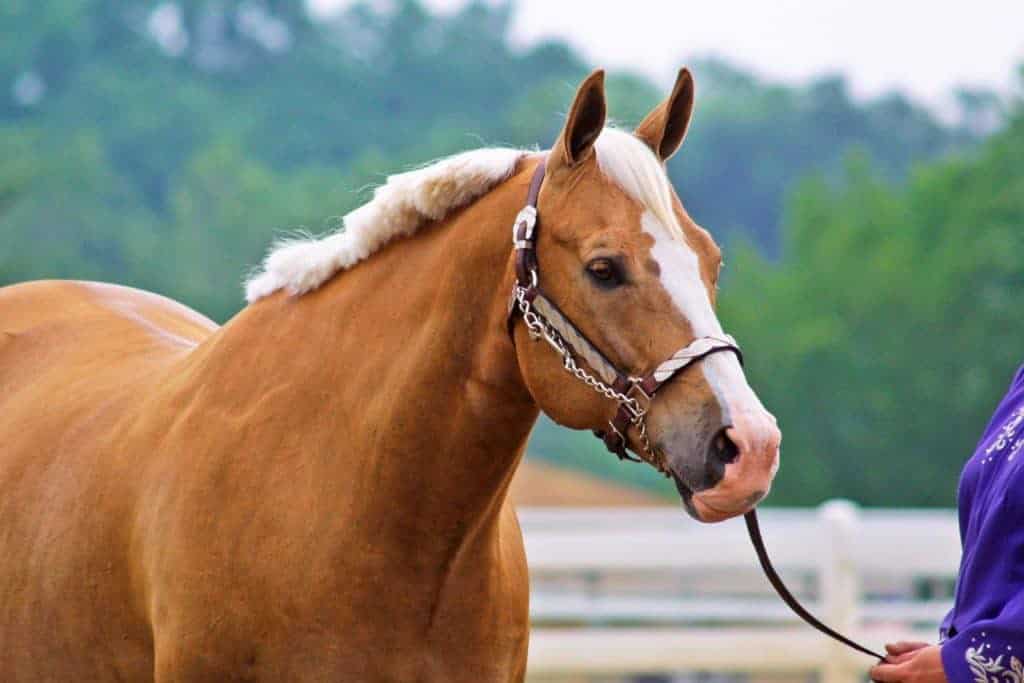
Researchers sought better understanding of the welfare concerns relating to stock-type show horses.

Researchers take a look at whip use by jumper riders and how it relates to performance outcomes.