Poll Recap: Joint Injections
Of the 703 voters, 484 (69%) indicated they never have their horses’ joints injected

Of the 703 voters, 484 (69%) indicated they never have their horses’ joints injected

The Jockey Club recommended that all U.S. racing jurisdictions pledge to adopt a uniform medication program.
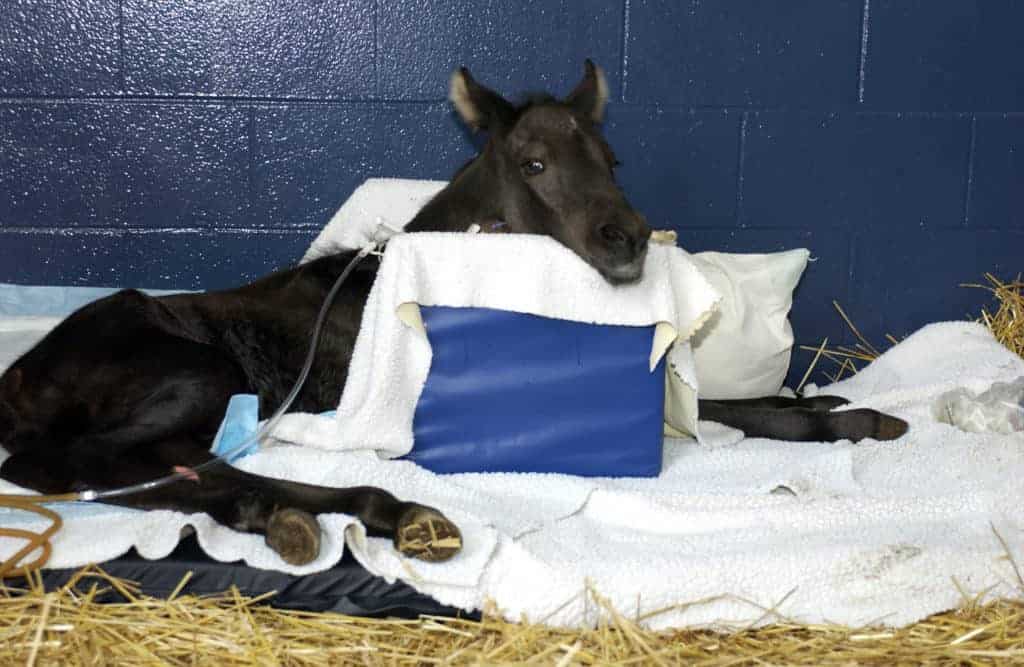
Dr. Chris Sanchez reviews recent top research papers published focusing on foal health.
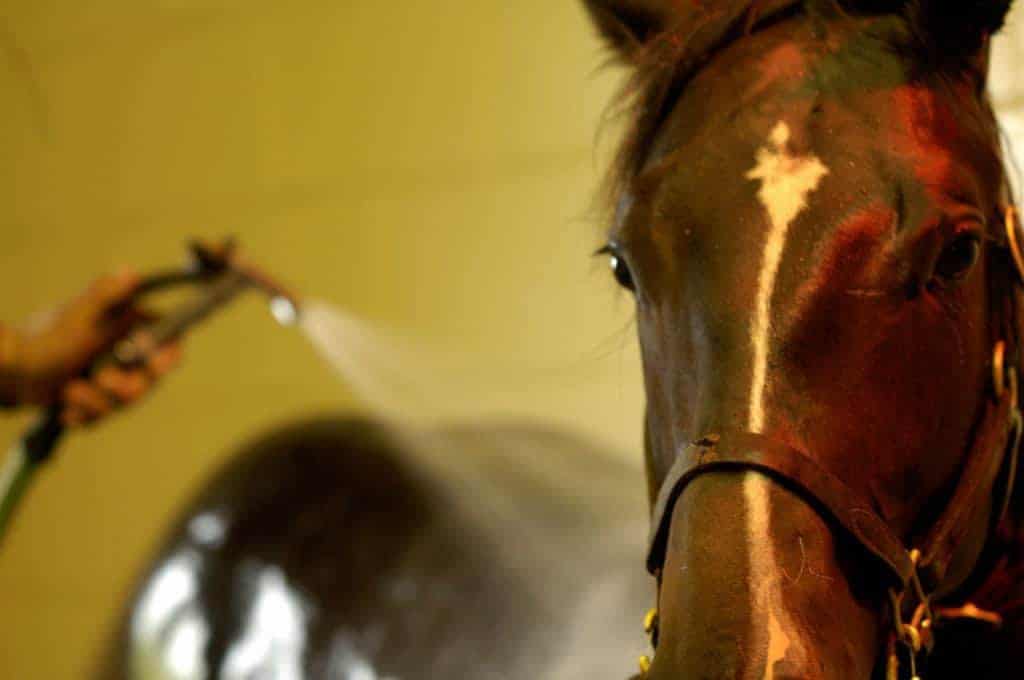
What are some signs that a horse has overheated?
The genetic integrity of North American-bred horses doesn’t seem to have been affected by race-day medication.

The Jockey Club will provide funds to some racing jurisdictions to step up out-of-competition drug testing.
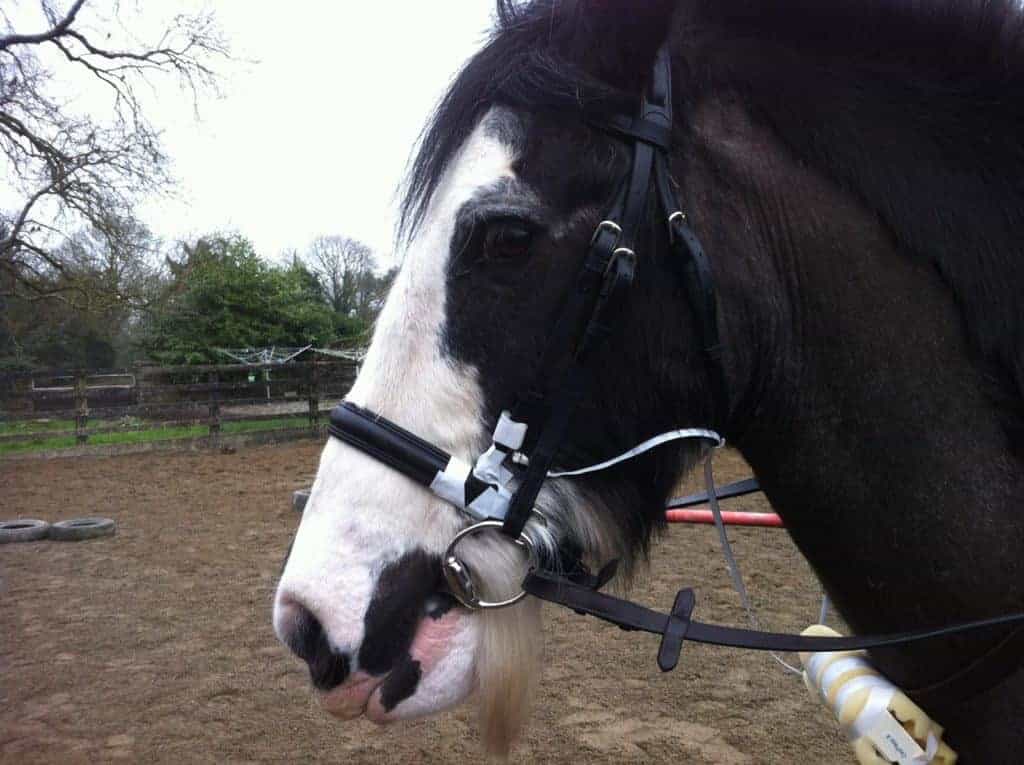
Researchers recently developed two pressure detection systems to measure pressure exerted by nosebands.

Dr. Temple Grandin, a professor of animal science at Colorado State University, talks about how horses experience fear.
The BHA concluded its investigation into “Sungate,” a veterinary product which contains an anabolic steroid.
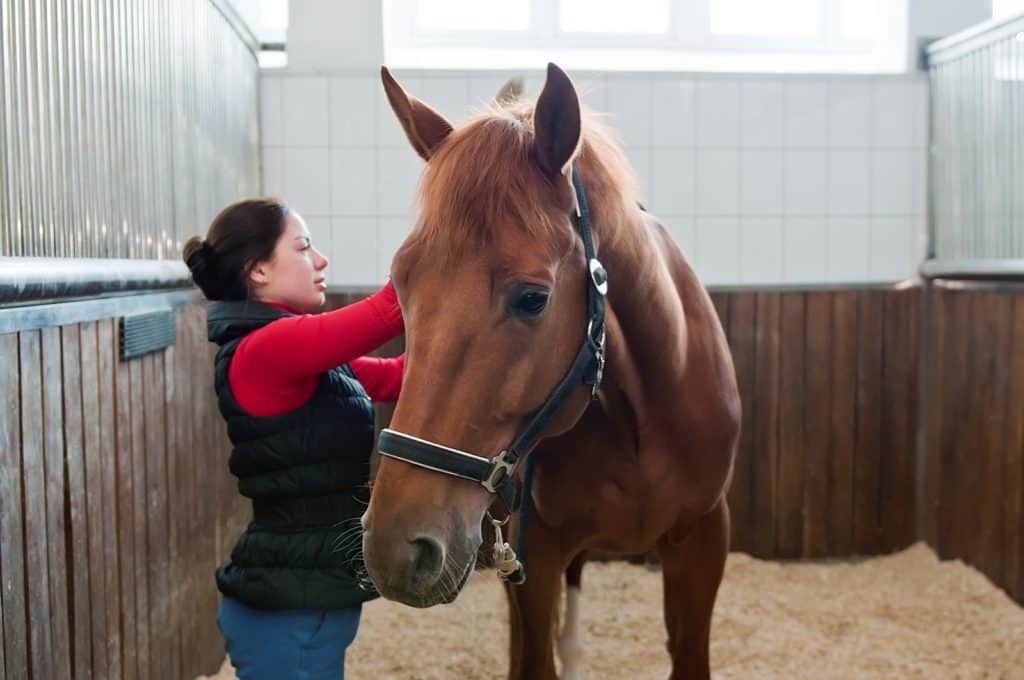
Horses undergoing T-Touch exhibited fewer aggressive reactions than those experiencing massage or rest.
What could a recent Texas ruling about registering horse-clones with the AQHA mean for Thoroughbred breeders?

What do you wish other drivers on the road knew about hauling horses?
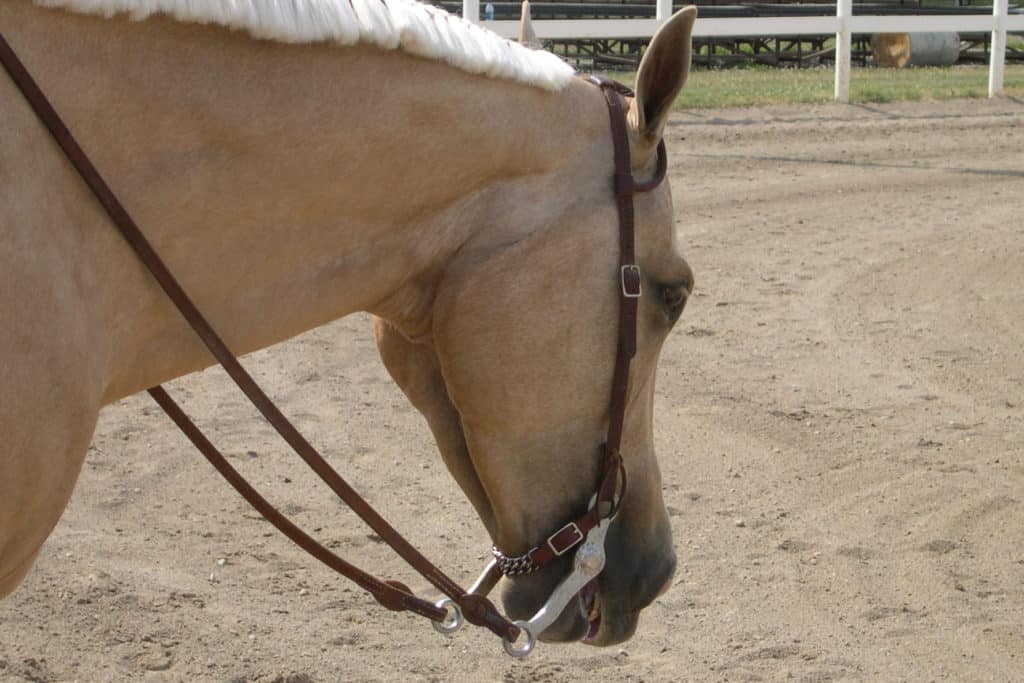
Dr. Hayley Randle shares why it’s important for riders and coaches to understand rein tension.

A total of seven horses have tested positive for EEE in North Carolina thus far in 2013.

Many of horse racing’s top owners again pledged to race their 2-year-olds without race-day medication.

Equine immunodeficiencies can be challenging to diagnose, and even more difficult–or impossible–to manage.