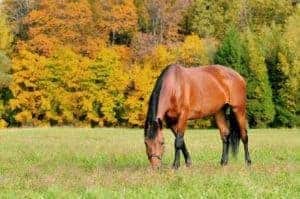
Anti-Inflammatories Could Decrease EHV-1 Infection Rate
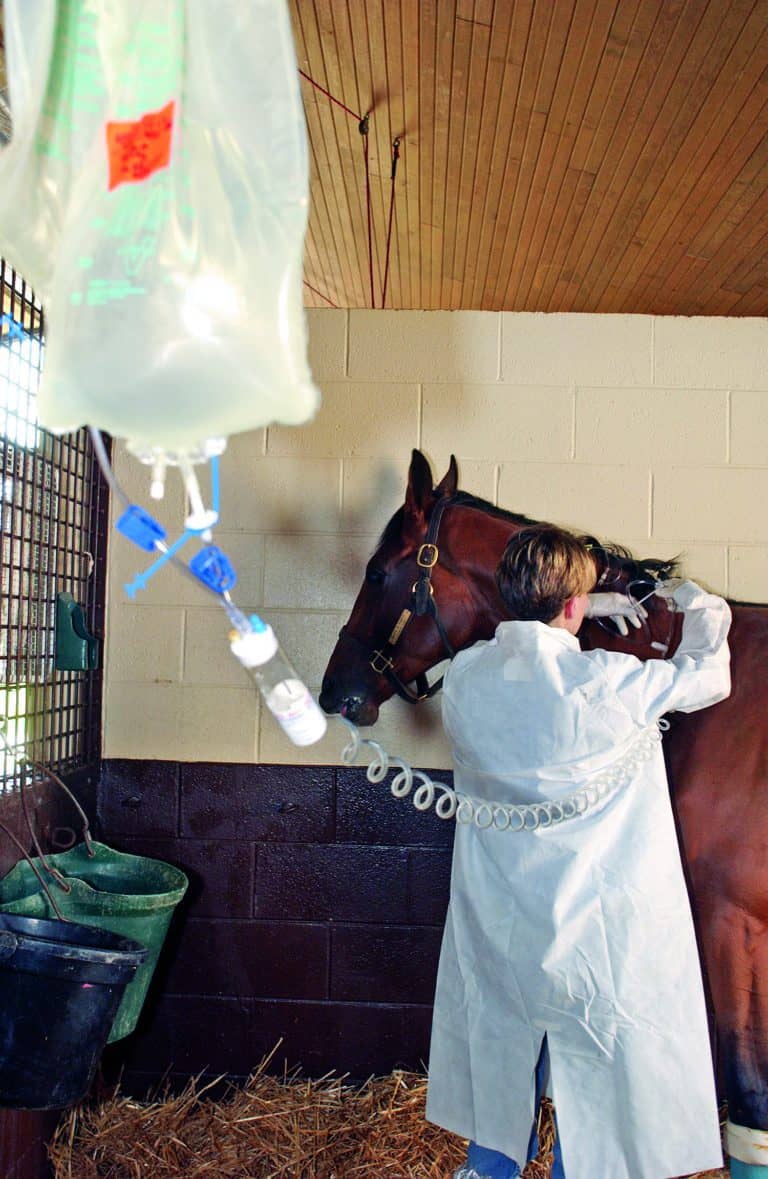
A recent study suggests anti-inflammatory drugs could reduce the rate of EHV-1 infection in horses.

A recent study suggests anti-inflammatory drugs could reduce the rate of EHV-1 infection in horses.

Three veterinarians who reviewed the colt’s treatment regimen found nothing out of the ordinary.
Exercise caution when hauling horses or when driving near trucks and trailers to keep horses and humans safe.
“Torque” is recovering at the University of Prince Edward Island’s Atlantic Veterinary College.

A study confirms omeprazole can prevent gastric ulcer formation in young racehorses.
Michigan State University’s (MSU) College of Veterinary Medicine is offering expanded equine dental services.
The pain-killer more powerful than morphine was not found in any Derby or Oaks samples tested.
A U.S. Senate committee has released its witness list for a July 12 hearing on medication use in horse racing.
CSU veterinarians say an inexpensive, widely available vaccine can help protect horses from rabies.
The animal received veterinary treatment, but was later euthanized due to severe anaphylactic shock.
One veterinarian shares his thoughts on the past, present, and future of stem cells in equine medicine.
The hearing, “Medication and Performance Enhancing Drugs in Horse Racing,” will be held July 12.

Muscular causes of poor performance, such as tying up and back pain, are relatively common in equine athletes.
Brand-name, generic, and compounded, and nutritional supplements are all terms owners should understand.
The firm was connected to two serious traffic incidents that collectively claimed the lives of four horses.
A horse in Palm Beach County, Fla., and a horse in Lanier County, Ga., have both tested EEE-positive.