FDA Withdraws Draft Guidance on Animal Drug Compounding
The FDA said it will develop and issue a new draft guidance, which should be available in early 2018 for public comment.

The FDA said it will develop and issue a new draft guidance, which should be available in early 2018 for public comment.
Donna Byrne is facing multiple charges after she allegedly rode her horse down a busy roadway while she was intoxicated.
Gail Nichols, DVM, and her husband, allegedly failed to treat a horse in their care for a dental issue.

In 2015 China placed a hold on the importation of live U.S. horses due to concerns about equine infectious anemia.
Stables, clubs, and businesses expanding access to horses received $100,000 in cash and prizes.
Alain Lamontagne faces up to a year in jail and $200,000 in fines.
Due to Dr. Anthony Stirk’s data collection and analysis, equine racing fatalities dropped by a third over 20 years

The 4-year-old son of Candy Ride set blistering fractions throughout the race before pulling away in the stretch.
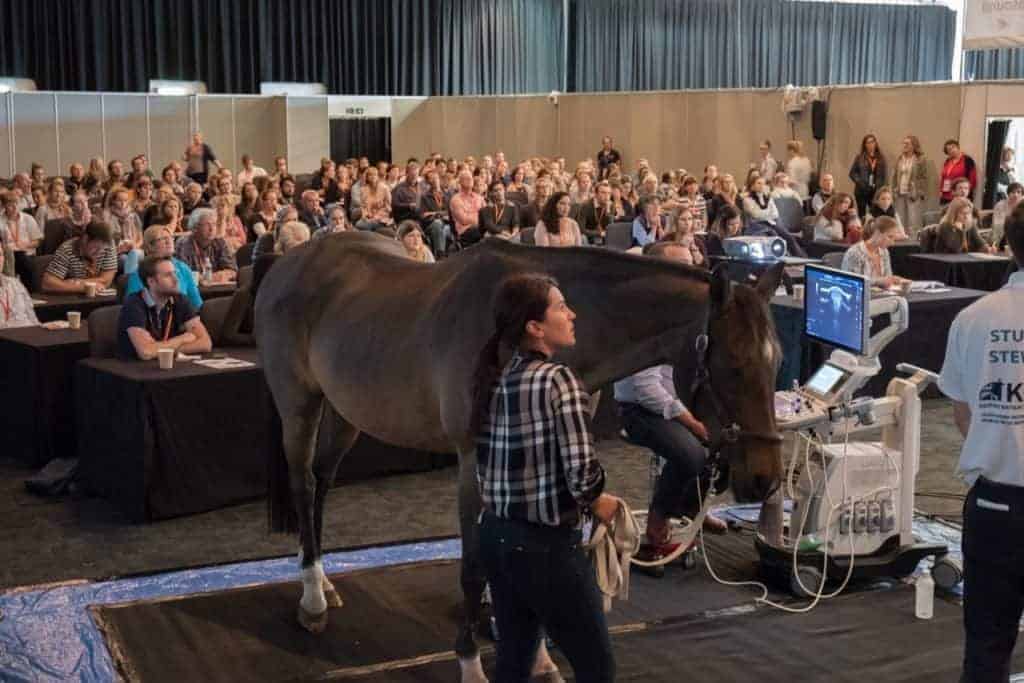
Nearly 1,200 veterinarians and vet techs/nurses attended this year’s Congress.

Charles Fipke’s 5-year-old homebred mare scored a half-length victory over Abel Tasman in the Breeders’ Cup Distaff.

The IFHA chairman received authority to work with relevant racing jurisdictions the anti-doping policy’s implementation.
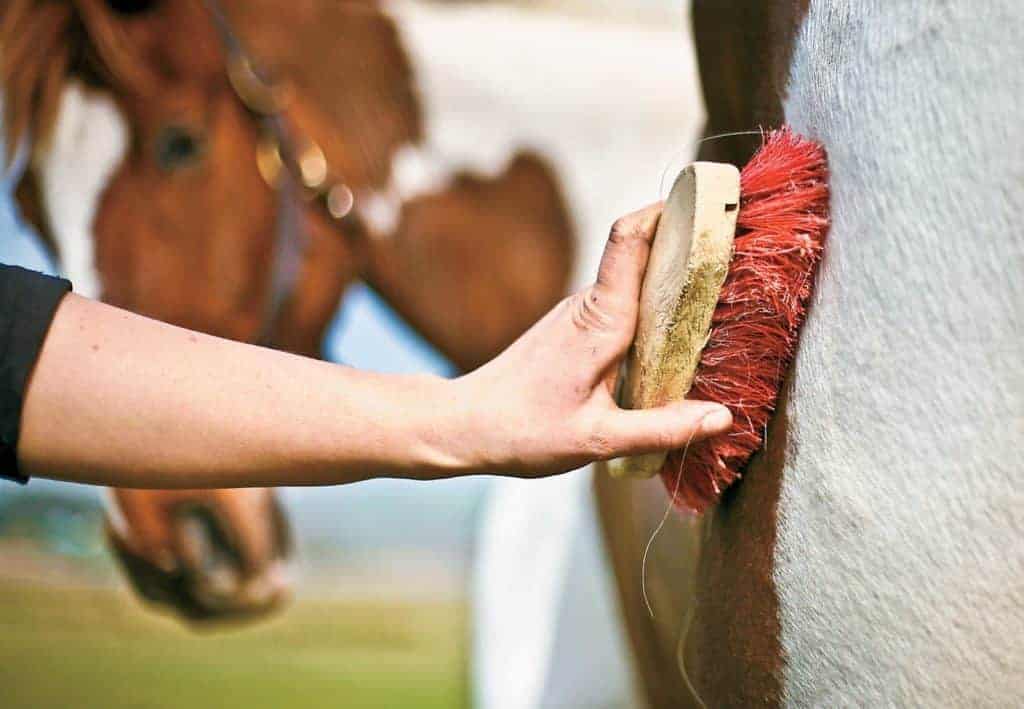
Riders evaluated exhibited an average of six dangerous behaviors in a single grooming session, researchers found.
Anne Williams must serve 18 months in jail and pay $300 in fines.
The dinner and lecture will take place Nov. 14 at Fasig-Tipton in Lexington, Kentucky.
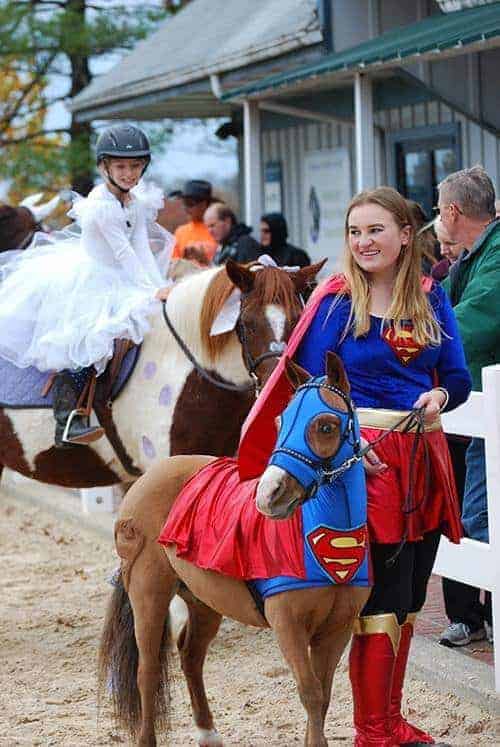
Of the 336 respondents, 65 people (19%) said they planned to attend a Halloween horse show or event this year.
This resource is designed to help curtail the risk of equine disease spread.