Second Horse Contracts Anthrax in Texas
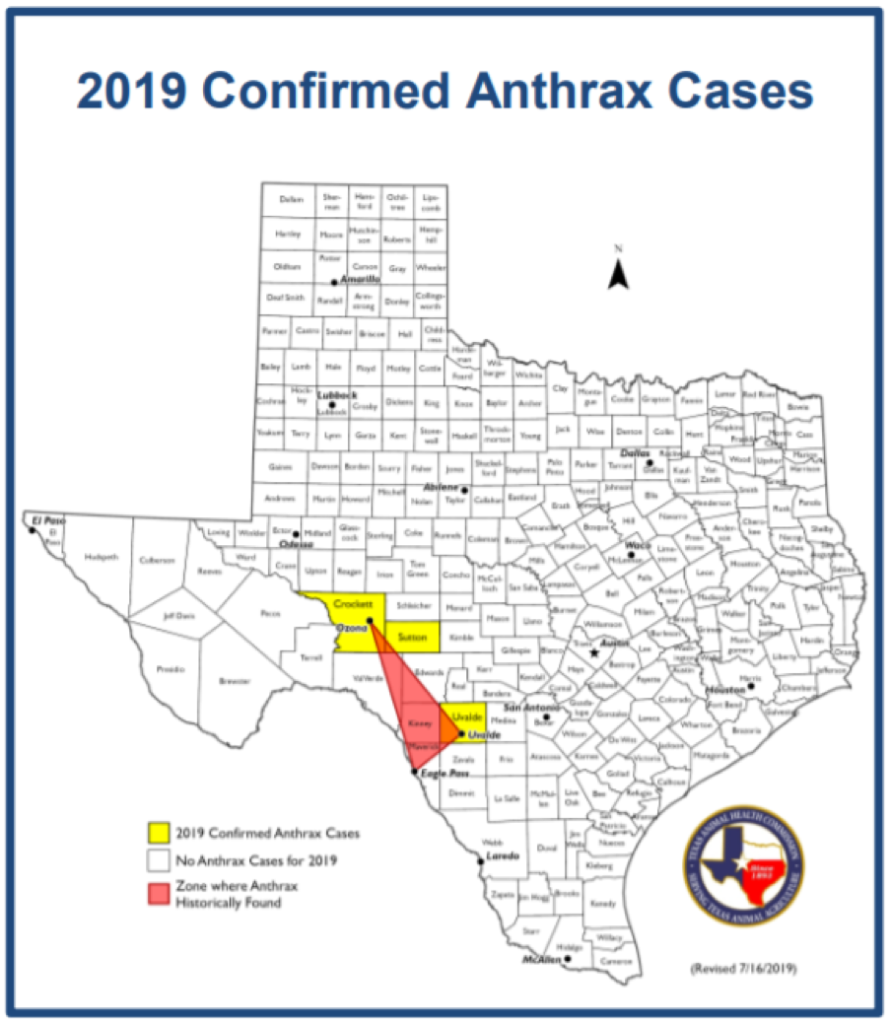
As of July 16, the Texas Animal Health Commission has added a Crockett County horse to the list of animals in the state affected by anthrax in 2019.

As of July 16, the Texas Animal Health Commission has added a Crockett County horse to the list of animals in the state affected by anthrax in 2019.
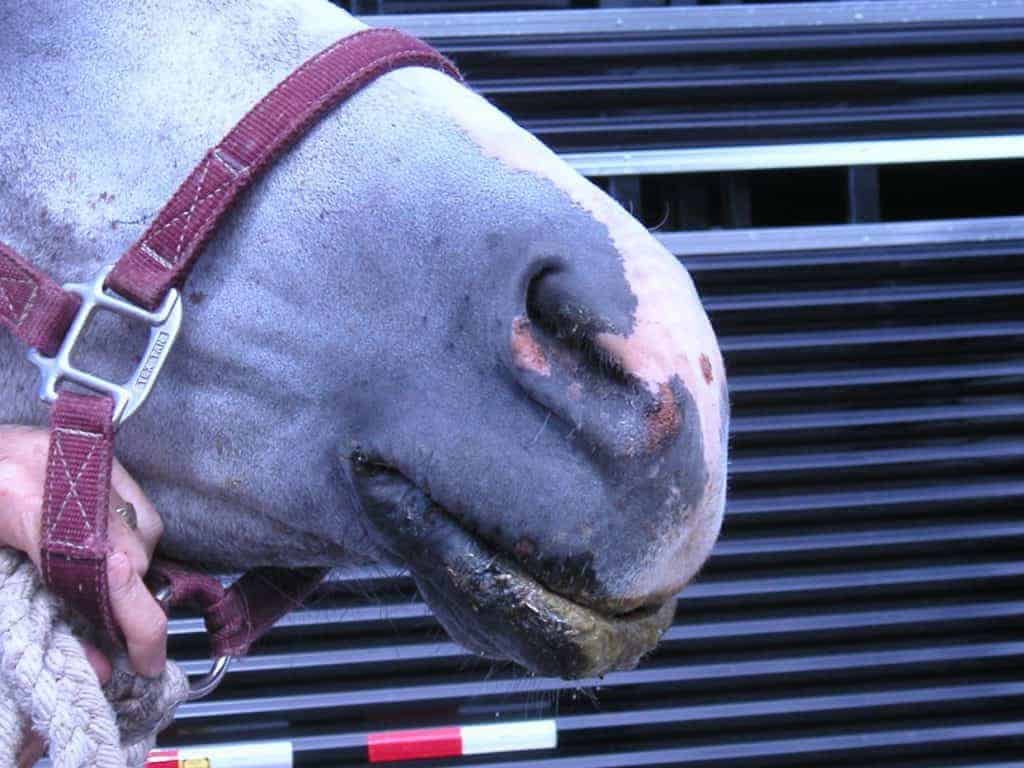
You can help prevent the spread of vesicular stomatitis. Find out how from New Mexico’s state veterinarian.

An SAA test can identify illness in horses, and it can also ensure they’re healthy enough for other procedures, such as surgery. Here’s a look into how some vets use SAA in their practices.
On July 12 the Colorado Department of Agriculture reported additional confirmed cases of vesicular stomatitis virus in La Plata, Larimer, and Weld counties.
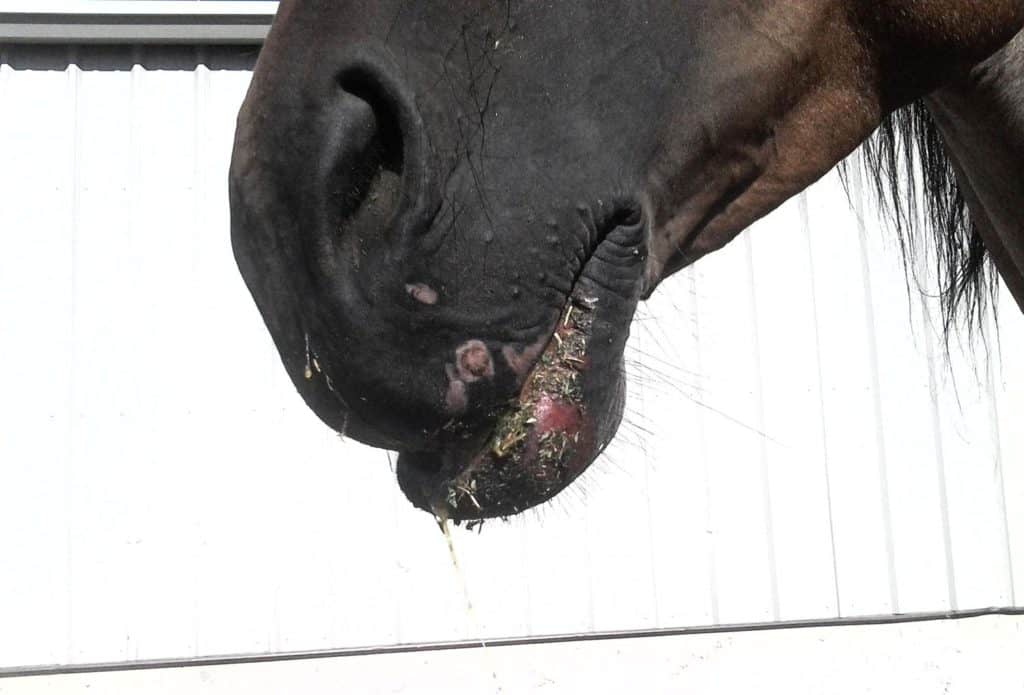
Effective immediately, horses coming from states with active vesicular stomatitis quarantines must be accompanied by a certificate of veterinary inspection and an import permit.

Horses in Colorado, New Mexico, and Texas have tested positive for VS, and multiple facilities in each state have been quarantined.

Anthrax is a bacterial disease caused by Bacillus anthracis, which historically has been found in the soil in some parts of Texas.

Don’t learn the hard way or wait for another outbreak to make disease risk reduction a priority on your farm. Do it now. Your horse’s life might depend upon it.

Researchers know that transport can affect horses’ immune systems, making them more susceptible to developing disease. But recent study results suggest it could also make horses more likely to spread disease.

They might be small, but these flying fiends can spread some deadly diseases.
Horses residing on a premises in Kinney County, Texas, tested positive for vesicular stomatitis on June 21, the Texas Animal Health Commission reported June 24.

The Australian Veterinary Association says vaccination is the most effective way to help prevent the deadly Hendra virus in horses.

The mare resided near Scone in the Upper Hunter Valley. This is the farthest south a case of Hendra in a horse has been diagnosed.

Thus far, 22 racing Quarter Horses residing at five locations in Bedford, Rutherford, and Williamson counties have tested positive for piroplasmosis.
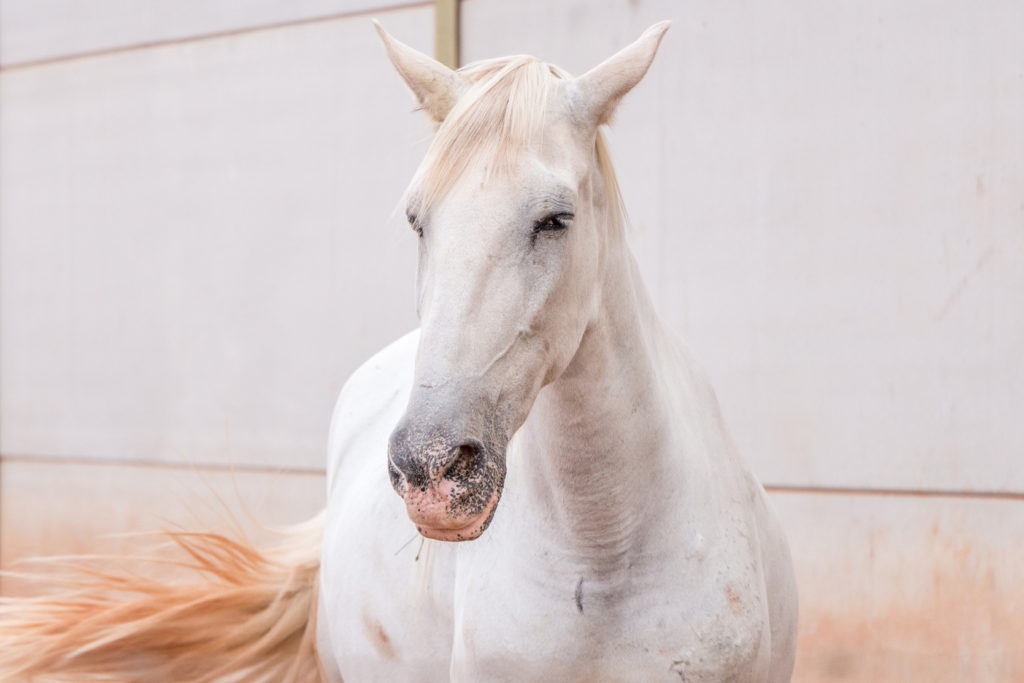
Equine coronavirus’ main signs are subtle and nonspecific—anorexia, lethargy, and fever. And while it doesn’t consistently cause gastrointestinal signs such as colic or diarrhea, researchers have learned that affected horses’ feces are the most reliable sample to test.

The Arizona Department of Agriculture has confirmed three additional cases of EHV-1 in Maricopa County.