Working Up Poor Performance in English Sport Horses
Determining why a horse isn’t performing up to expectations can be a time-consuming and tedious process. One veterinarian shares how she approaches these cases.

Determining why a horse isn’t performing up to expectations can be a time-consuming and tedious process. One veterinarian shares how she approaches these cases.

As much credit as we give horses for their metaphorical hearts, the actual blood-pumping organs generally get far less attention than other bodily systems. Take an in-depth look at the cardiovascular exam, common cardiac abnormalities, and treatment options.

Dr. Wes Sutter recaps studies on MRI for diagnosing hock problems, tieback surgery, evaluating suspensory ligament branch injuries, nerve blocks, and more.

Researchers recently identified a link between hind-limb lameness and coffin bone angles, which they said has not been previously described in horses.
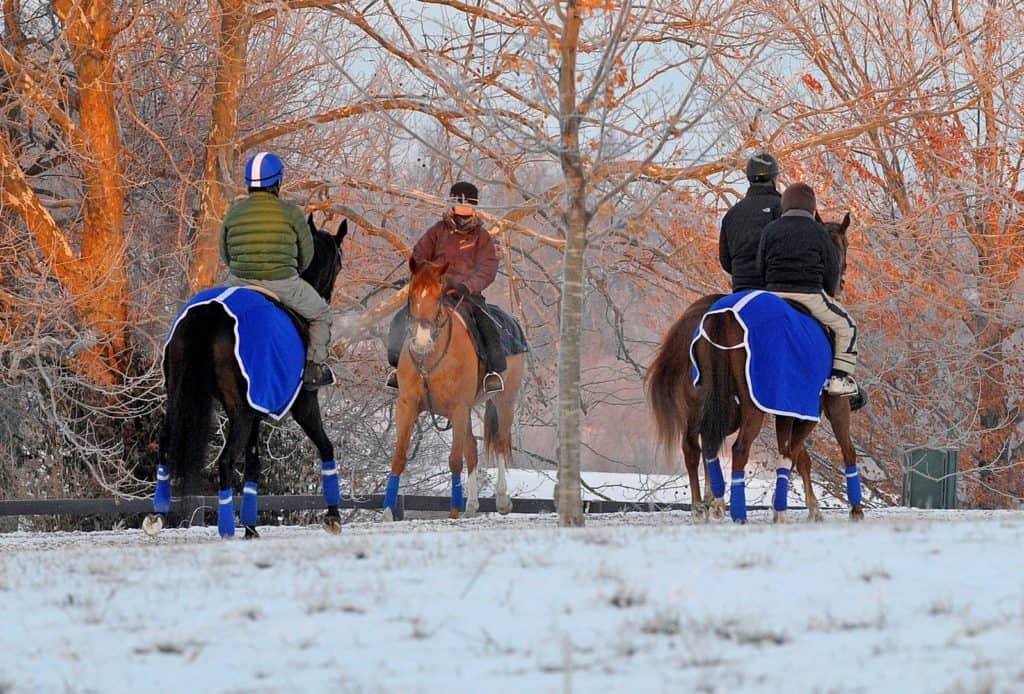
Find out why using coolers on horses post-exercise makes good sense, especially during cold weather.

Turner is studying how industrial hempseed impacts horse health and whether its anti-inflammatory properties could help joint mobility and lameness.
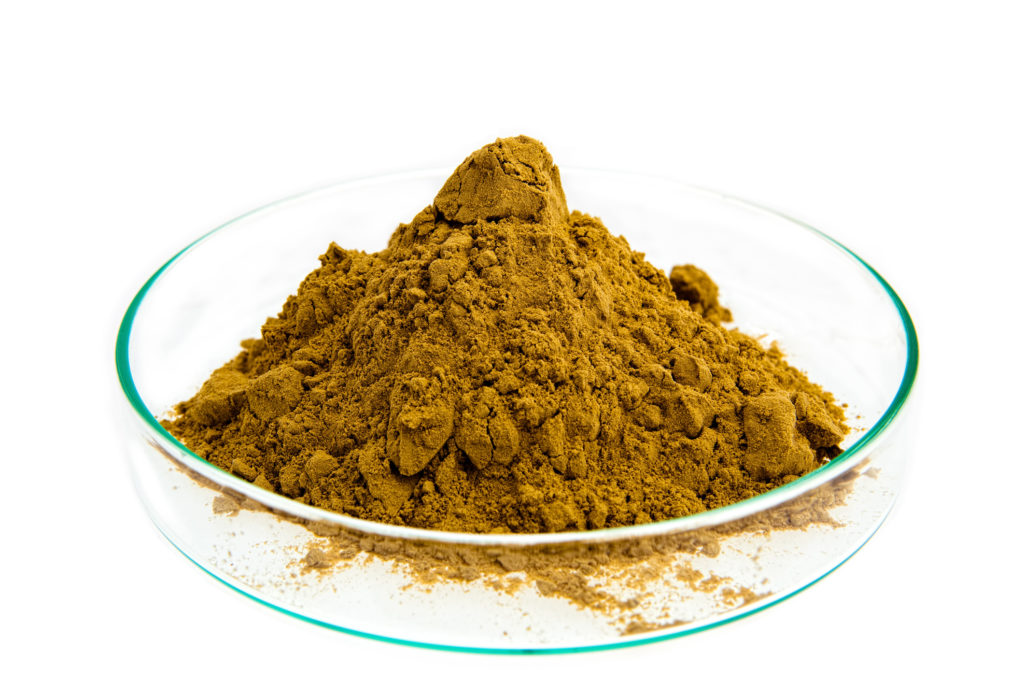
Researchers determined that Devil’s claw extract did not cause any clinically detectable adverse effects in horses following oral administration.
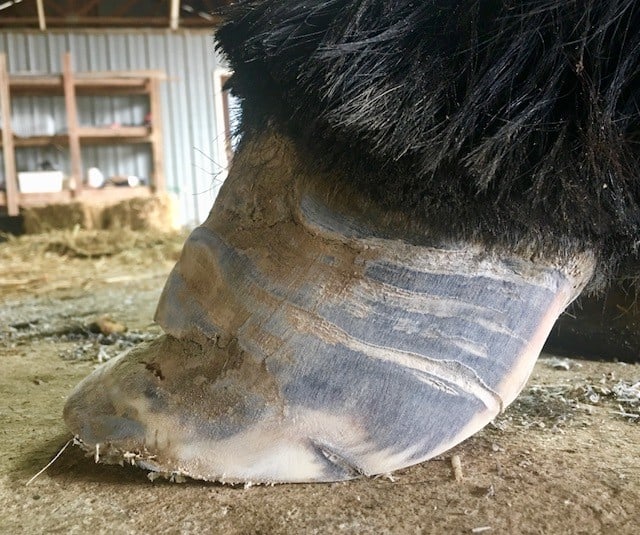
Also known as “buttress foot,” this condition primarily affects horses with poor leg conformation in high-impact disciplines. A veterinary podiatry expert explains.

Researchers found no apparent link between previous surgery and catastrophic injury, but they did identify associations with medication use and lameness.
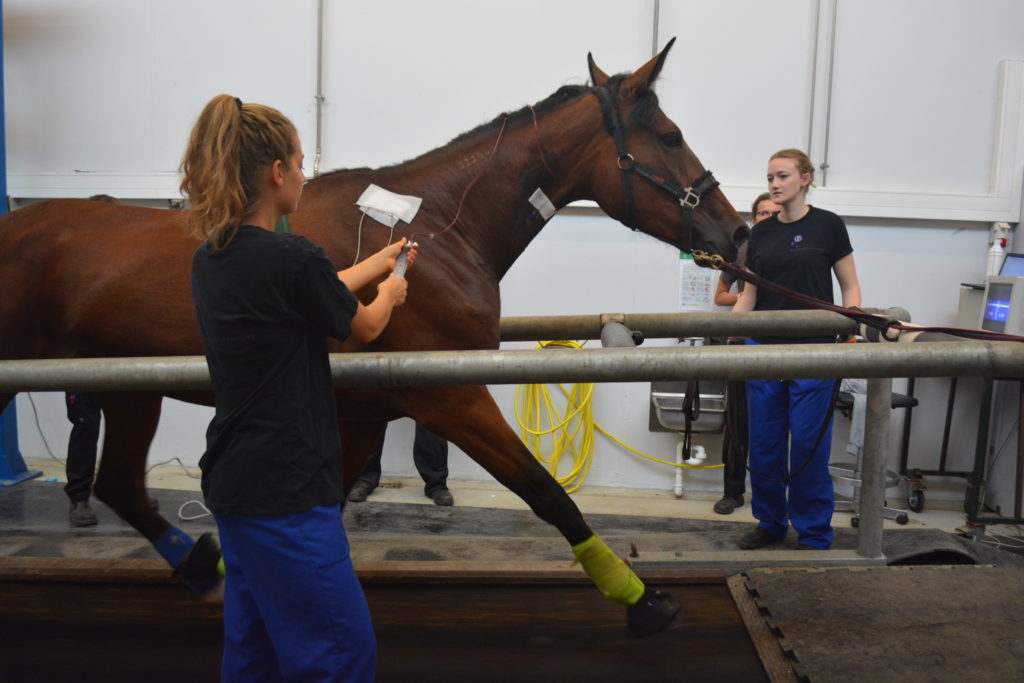
Researchers observed abnormally high heart rates and atypical heart beats in horses with atrial fibrillation, findings they said were surprising and scary.

Purchasing a horse is primarily about risk assessment, which is why prepurchase exams are so important. Here are some things to keep in mind.

A recent comparison of diagnosis and treatment of back pain in horses a decade apart has highlighted the way riders and veterinarians alike have evolved in their awareness and management of this condition.
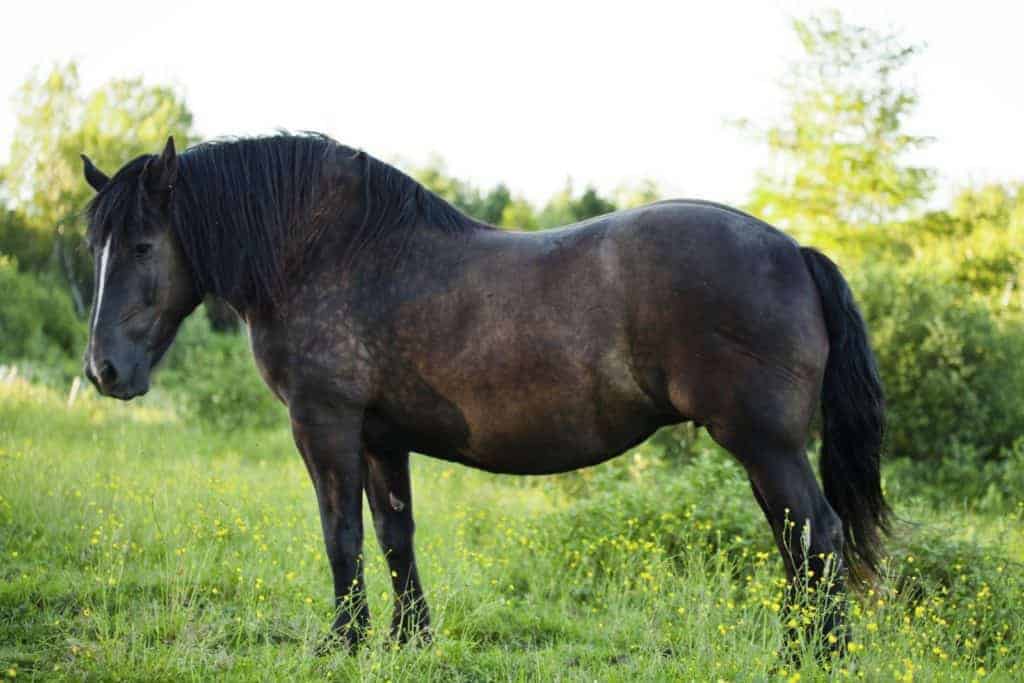
Studies suggest that more than half of certain horse populations in the U.K. are overweight or obese. As such, BEVA urges owners to act now to reduce the risk of their horses suffering weight-related health and welfare risks come spring.

Researchers found that hoof balance changes rapidly during the first few weeks of a foal’s life.
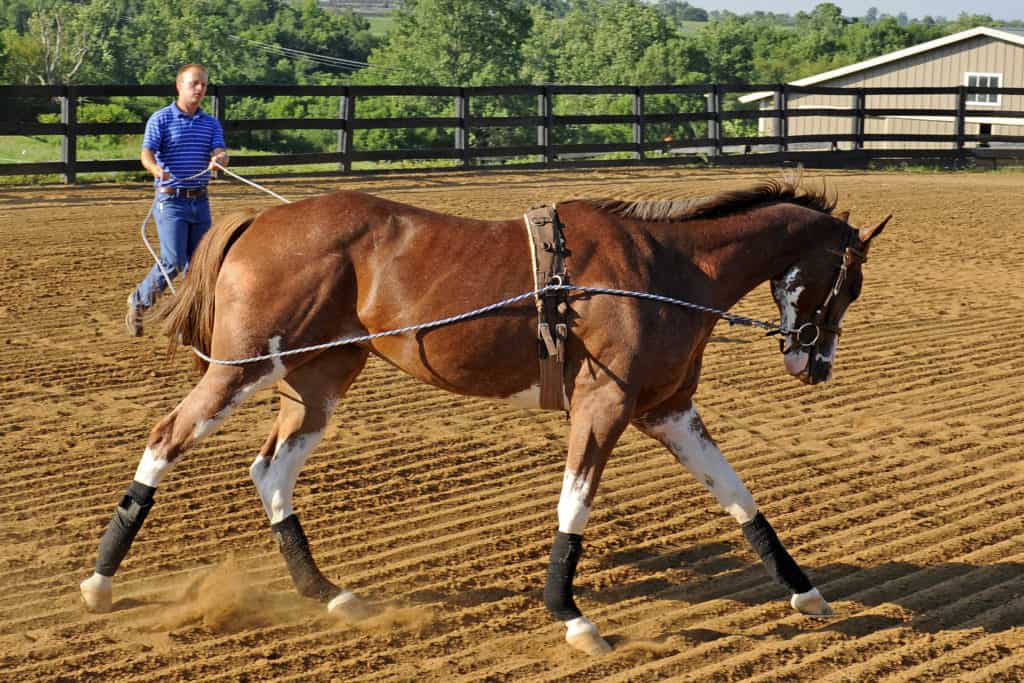
The best age for horse to start training is highly debated. An equine surgeon offers advice.

Weanlings should grow steadily and moderately as rapid weight gain could put them at risk for developmental orthopedic diseases. Three experts share their tips for achieving appropriate growth via nutrition.