Rehabilitating the Foundered Horse: Case Study
Follow Tess, a 16-year-old mare, step-by-step as she rehabs from a bought of PPID-related laminitis.

Follow Tess, a 16-year-old mare, step-by-step as she rehabs from a bought of PPID-related laminitis.

Michelle Quirico, of MQ Training in Napa, Calif., shares tips for teaching your horse to stand still as you mount to ride.

Do you have a horse with pink skin? Learn how to keep him from burning this summer.

Dr. David Horohov, UK Gluck Equine Research Center director, gives a overview of vaccines and explains their importance.

Weight gain is a common sign of EMS. But what other indicators should horse owners watch for?

Vet and farrier Dr. Vernon Dryden offers insight into foot care for horses suffering from EMS-related laminitis.
Certain breeds seem more susceptible to EMS. Dr. Amanda Adams shares information about possible genetic links.
University of Kentucky researcher Amanda Adams, PhD, gives an overview of EMS and how it affects horses.

Take an up-close look at common internal parasites and the damage they can do to your horse. Also learn about parasite resistance and the drugs and management methods that can help control certain worms.

Equine metabolic syndrome can cause obesity, insulin resistance, and laminitis. Find out how to care for your EMS horse during our live event.

Dr. Susan White shares strategies for successful management of horses sweet itch, an allergic reaction to bug bites.
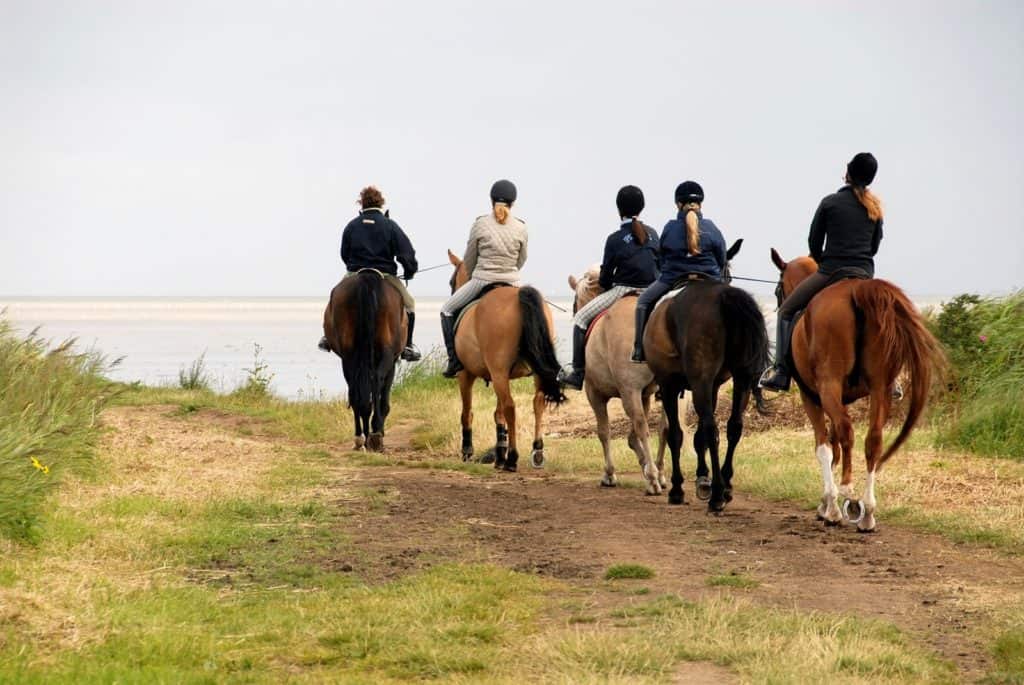
Outbreaks occur at horse shows and racetracks. But are trail horses susceptible? Dr. Stephen Reed responds.
Now what? Internal medicine specialist Dr. Stephen Reed offers advice.
Dr. Stephen Reed responds to whether or not horses can have EHV and spread the disease but not get sick themselves.

Dr. Stephen Reed shares the clinical signs a horse infected with equine herpesvirus might exhibit.
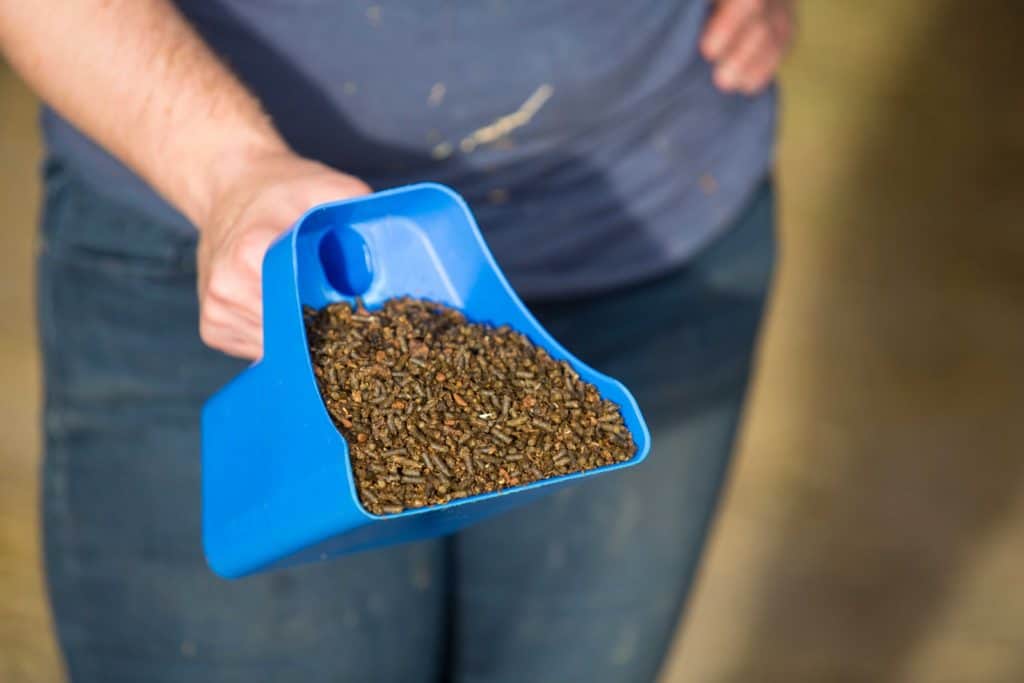
Take a look at feeds and pelleted forages commonly found in the equine diet.