The Risk of Using Compounded Drugs to Treat Ulcers
Find out from Dr. Frank Andrews why you should avoid using compounded omeprazole to treat your horse’s gastric ulcers.

Find out from Dr. Frank Andrews why you should avoid using compounded omeprazole to treat your horse’s gastric ulcers.
Dr. Frank Andrews offers suggestions for diagnosing and treating equine gastric ulcers on a budget.

Horses for Clean Water’s Alayne Blickle shares reasons to protect streams from livestock and how to do it.
Are you covered? Equine insurance experts answer your questions about horse and equestrian property insurance.

Brian Nielsen, PhD, of Michigan State University’s Department of Animal Science, presents up-to-date information on feeding the athletic horse and using nutritional supplements.

An equestrian facility architect and a horse management expert answer your questions about designing and improving horse properties and farms.

Alayne Blickle of Horses for Clean Water offers alternatives to composting for small horse-property owners.
Alayne Blickle of Horses for Clean Water offers alternatives to composting for small horse-property owners.

Composting is an excellent manure management strategy. Horses for Clean Water’s Alayne Blickle explains.

Alayne Blickle, with Horses for Clean Water, tells you how to protect your horses by storing hay at a safe distance.

Horses for Clean Water’s Alayne Blickle explains why you should keep horses off septic systems and away from wells.

Krista Lea, MS, of the University of Kentucky, presents information to help horse owners and veterinarians understand the stability of ergovaline in endophyte-infected tall fescue, which causes toxicosis in broodmares.

Livestock can damage fragile waterways. Horses for Clean Water’s Alayne Blickle shares how to keep horses off yours.
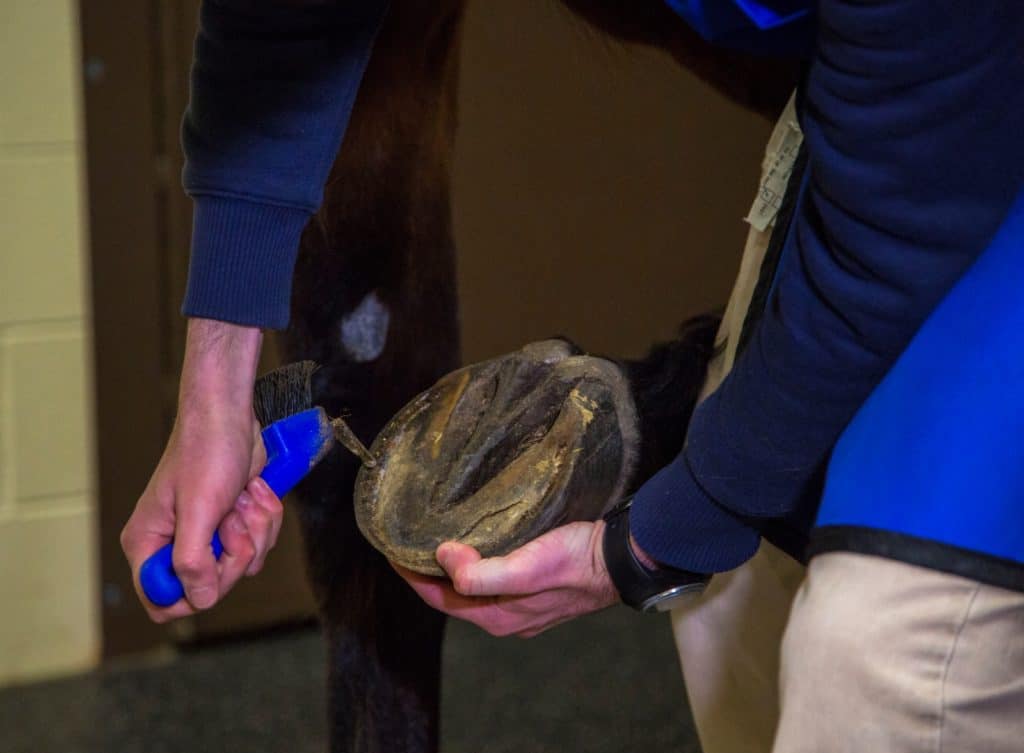
Veterinarians know that balanced hooves influence a horse’s way of going and help maintain healthy joint function. Learn more from our experts, who are both veterinarians and experienced farriers.

Dr. Ray Smith, forage extension specialist at the University of Kentucky in Lexington, talks about pasture testing with a focus on ergovaline levels in tall fescue grass.

Dull coat? Cinchy? Thin? Your horse might be one of the 50-90% suffering from gastric ulcers. Get your gastric ulcer questions answered during our live Q&A event.