Regular Care of UPenn’s Semi-Feral Pony Herd
Dr. Sue McDonnell describes the regular care and maintenance of UPenn’s semi-feral pony research herd.

Dr. Sue McDonnell describes the regular care and maintenance of UPenn’s semi-feral pony research herd.
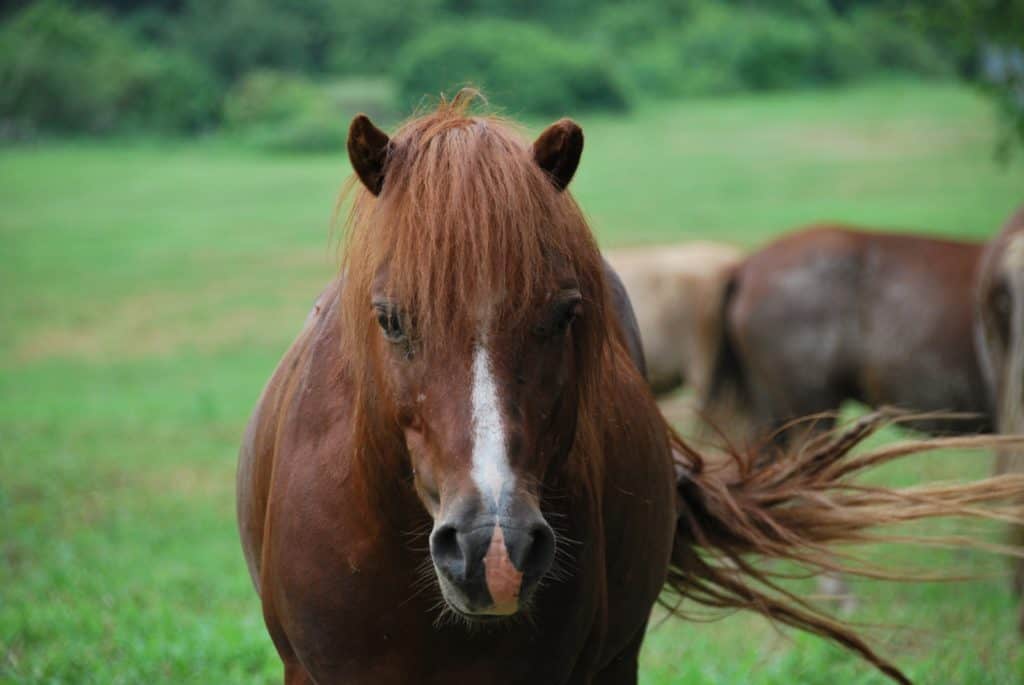
Dr. Sue McDonnell shares the origin and purpose of University of Pennsylvania’s semi-feral pony research herd.

Dr. Dickson Varner lists the reasons veterinarians might assess stallions for infertility.

Dr. Temple Grandin, a professor of animal science at Colorado State University, talks about how horses experience fear.
Dr. Dickson Varner describes what he’s looking for during a stallion breeding soundness exam.

Dr. Chris Sanchez of the University of Florida describes how pain affects conception rates in other species and how this research might be applied to horses.

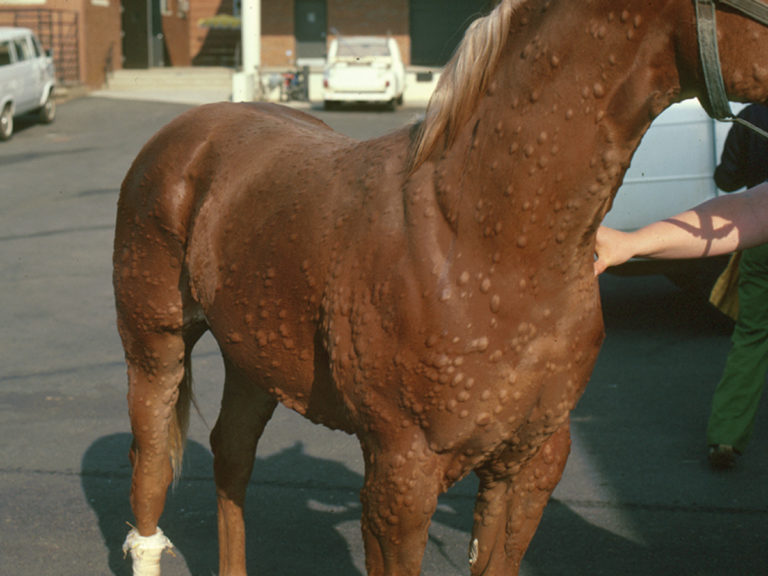
A disease once considered a West Coast problem, veterinarians say pigeon fever is now on the move east. Learn how to protect your horses in this hour-long podcast.
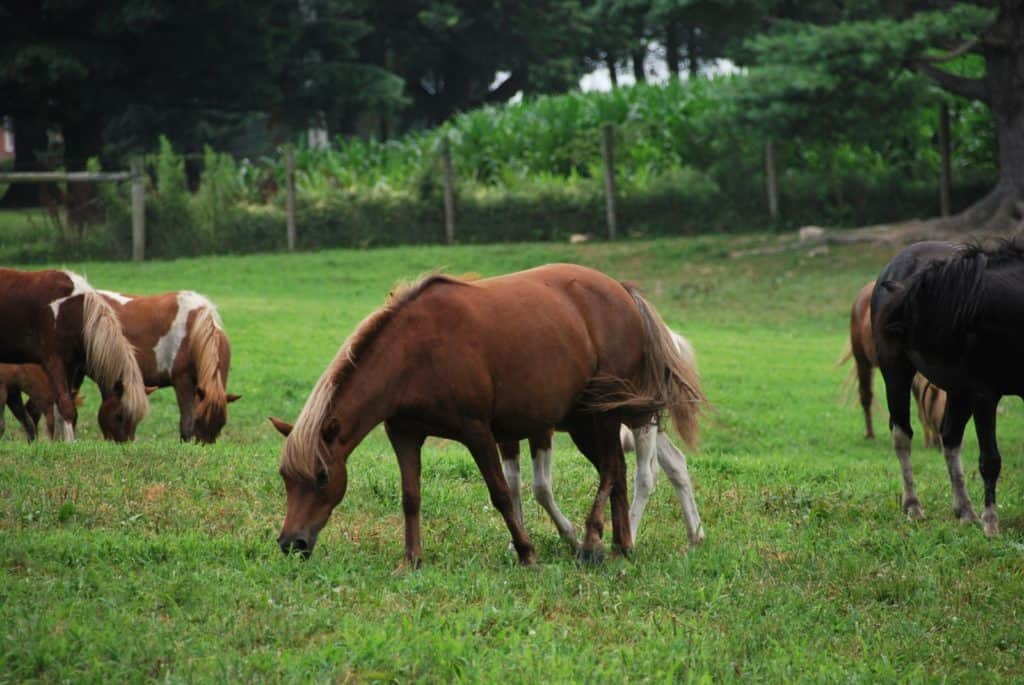
Seeing the tiny ponies grazing on lush, green University of Pennsylvania pasture, you’d expect more than a few to founder. Find out why they don’t from equine behavior researcher Dr. Sue McDonnell.

Dr. Wendy Vaala shares important information about proper internal parasite control and deworming for suckling and weanling foals. She especially emphasizes the importance of treating roundworm infection.
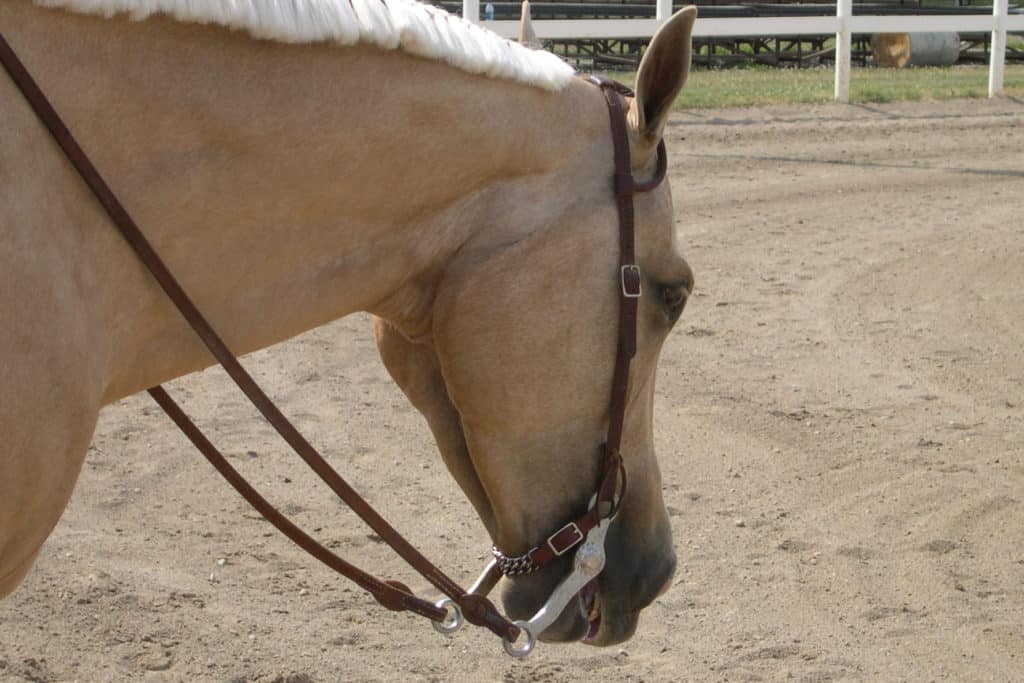
Dr. Hayley Randle shares why it’s important for riders and coaches to understand rein tension.

Dr. Hayley Randle of Duchy College in Cornwall, U.K., compares how professional and amateur riders responded during her rein tension study.

Did you know the rate of death for horses under general anesthesia is 100 times greater than humans? Horse size and history makes a difference. Learn that and more about field anesthesia from specialist Dr. Nora Matthews of Texas A & M.
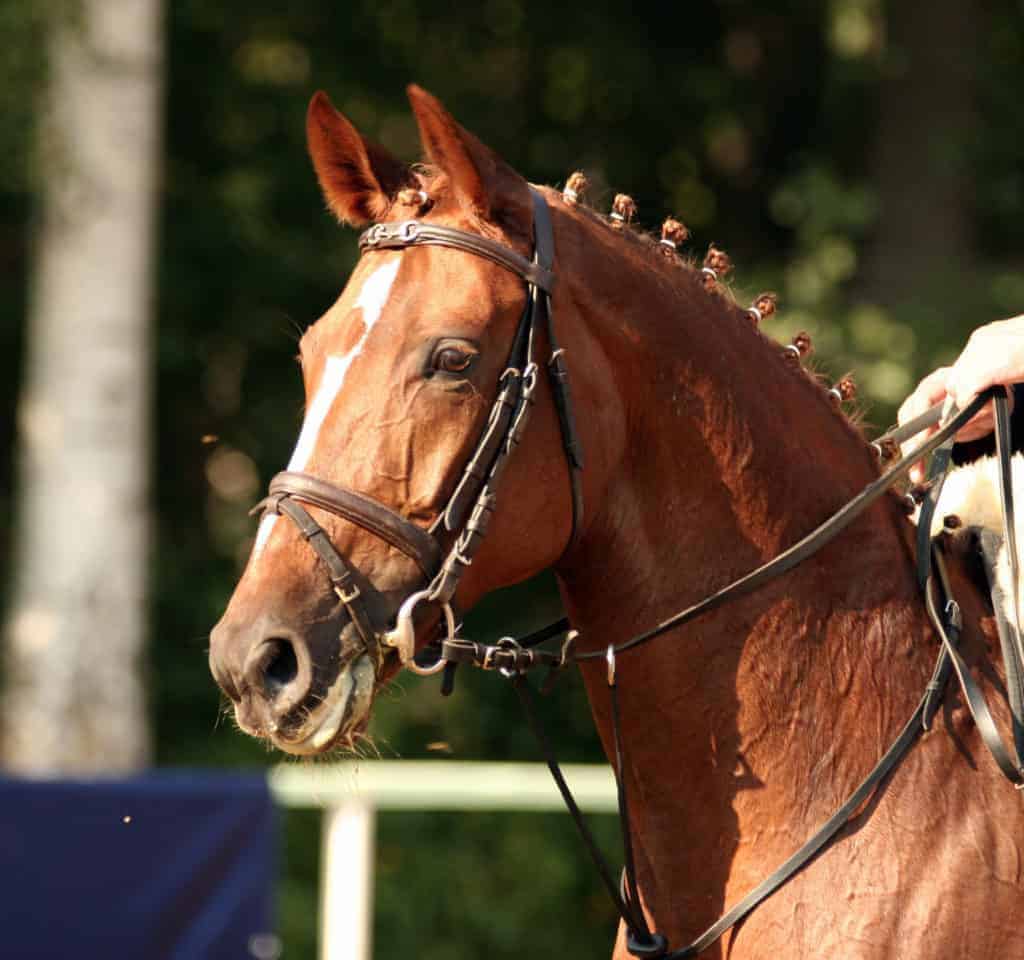
Dr. Hayley Randle, a researcher with the equitation science department at Duchy College in Cornwall, U.K., shares the results of her study investigating rider perception of rein tension.
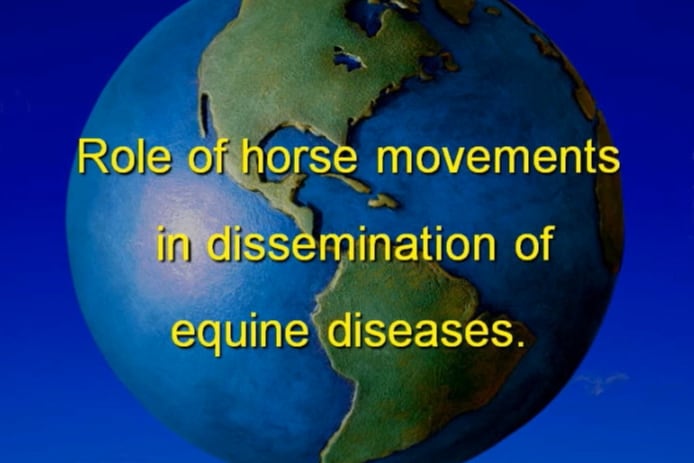
Dr. Peter Timoney of the Gluck Equine Research Center at the University of Kentucky discusses maintaining a balance between the facilitation of international horse movement and mitigation of disease risk.

Sift through these bedding choices that will absorb moisture, control odor, and give your horses a soft place to sleep.

It’s hot out there! Learn how to keep your horse cool and comfortable during exercise and rest on even the most scorching days.