In-Depth: Equine Piroplasmosis (AAEP 2010)
What horse owners need to know about piroplasmosis in horses, from Dr. Josie Traub-Dargatz of Colorado State University. (Presented at the 2010 American Association of Equine Practitioners convention)

What horse owners need to know about piroplasmosis in horses, from Dr. Josie Traub-Dargatz of Colorado State University. (Presented at the 2010 American Association of Equine Practitioners convention)
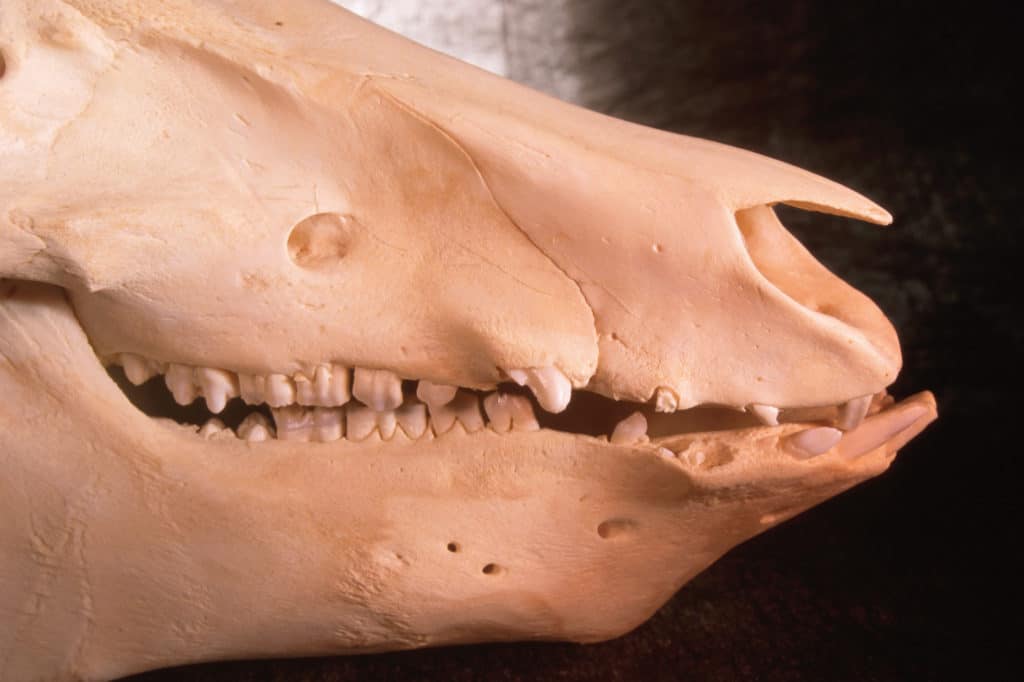
Learn about your horse’s skull and teeth, and where you should never hit your horse, in this anatomy video with Dr. Roberta Dwyer of the University of Kentucky.

Discussion of compounded medications for horses, including legal/illegal use and potential risks, by Scott Stanley, PhD, of the University of California, Davis. (Presented at the 2010 American Association of Equine Practitioners convention)
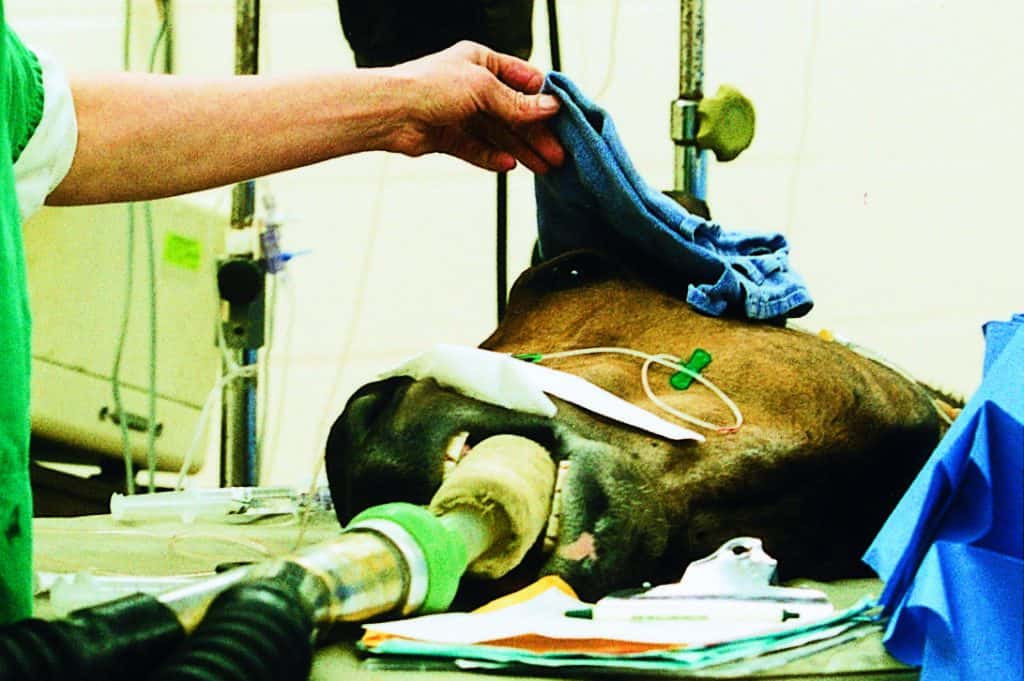
Discussion of the session on sedatives and anesthetics for horses at the 2010 American Association of Equine Practitioners convention with Dr. John Hubbell of The Ohio State University.
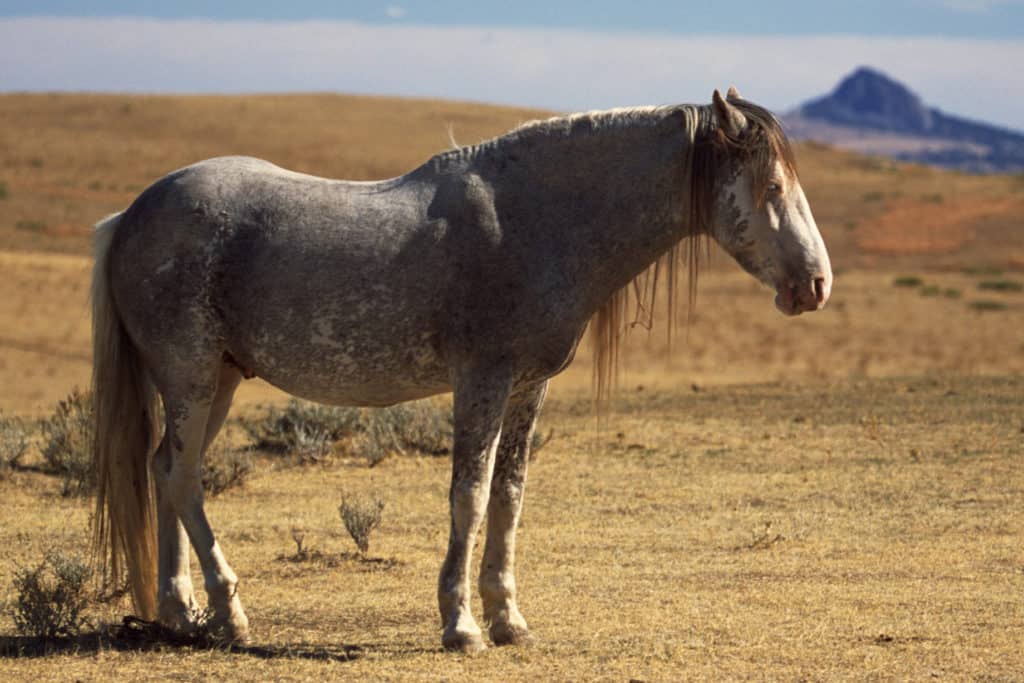
Dr. Tom Lenz addressed the issue of unwanted horses and possible solutions during the 2010 American Association of Equine Practitioners Convention.

Dr. Paul Morley discusses infectious diseases and biosecurity as they relate to both animals and people.
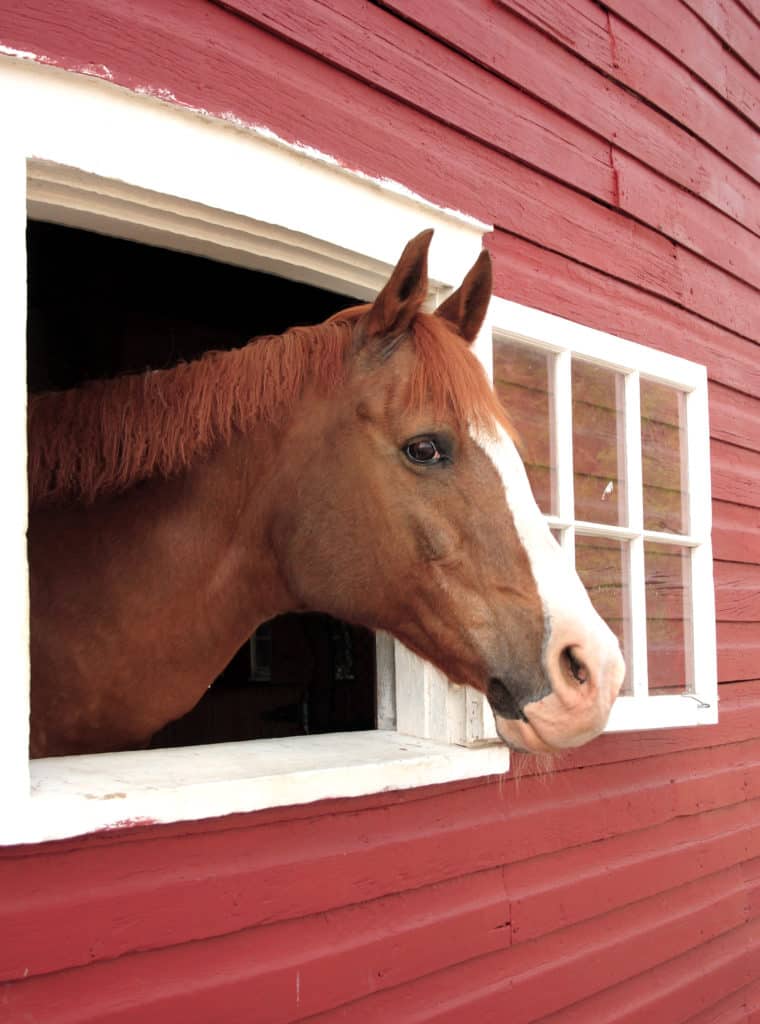
What hidden dangers lurk in your barn? Learn how to maximize air quality and improve safety in the stable.

Discussion of threats to U.S. agrosecurity (security of agriculture industries) and ways we can protect ourselves and our horses from intentional and unintentional threats.

Jochen Schleese, Master Saddler of Schleese Saddlery, discusses the pain a poor-fitting saddle can cause you and how it can compromise your ride.

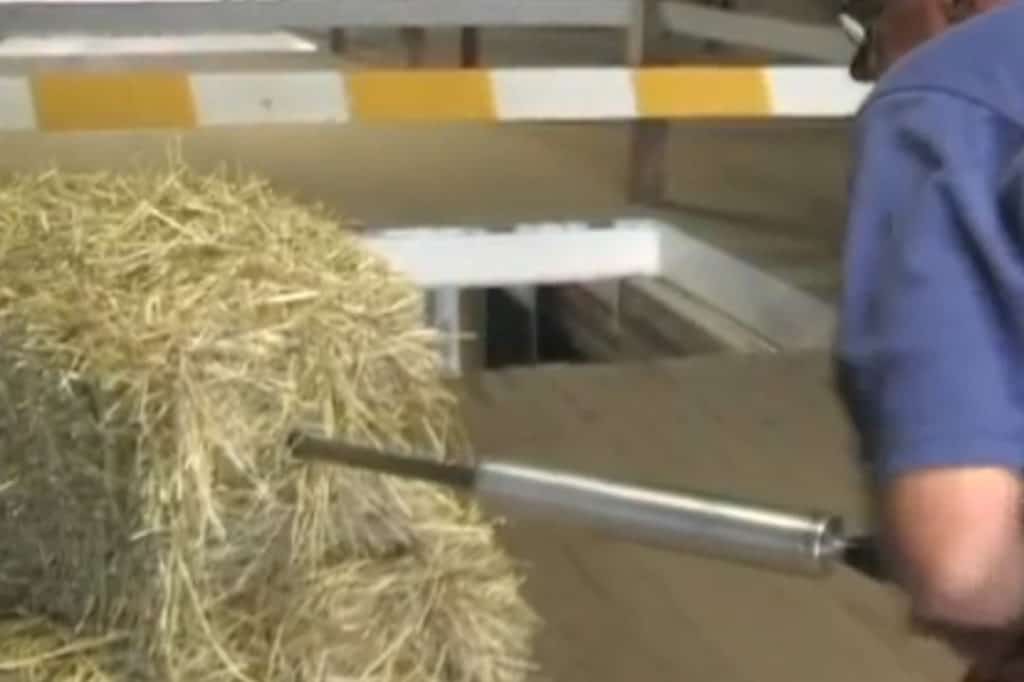
Learn how and why to sample your horse’s baled hay for nutritional analysis with University of Kentucky Agronomy Specialist Tom Keene.

Learn about the structure and function of your horse’s powerful hind limbs with Dr. Roberta Dwyer of the University of Kentucky’s Gluck Equine Research Center.

Learn the do’s and don’ts of wrapping a horse’s legs with polo wraps with Nicole Carroll of Leap of Faith Farms in Walnut Creek, Calif.

Preview of some of this year’s AAEP convention exhibitors and products.

Rabies is a life-threatening neurological disease that can be spread from horses to humans, generally killing affected horses two to four days after clinical signs appear. Learn how to protect your horse and yourself.
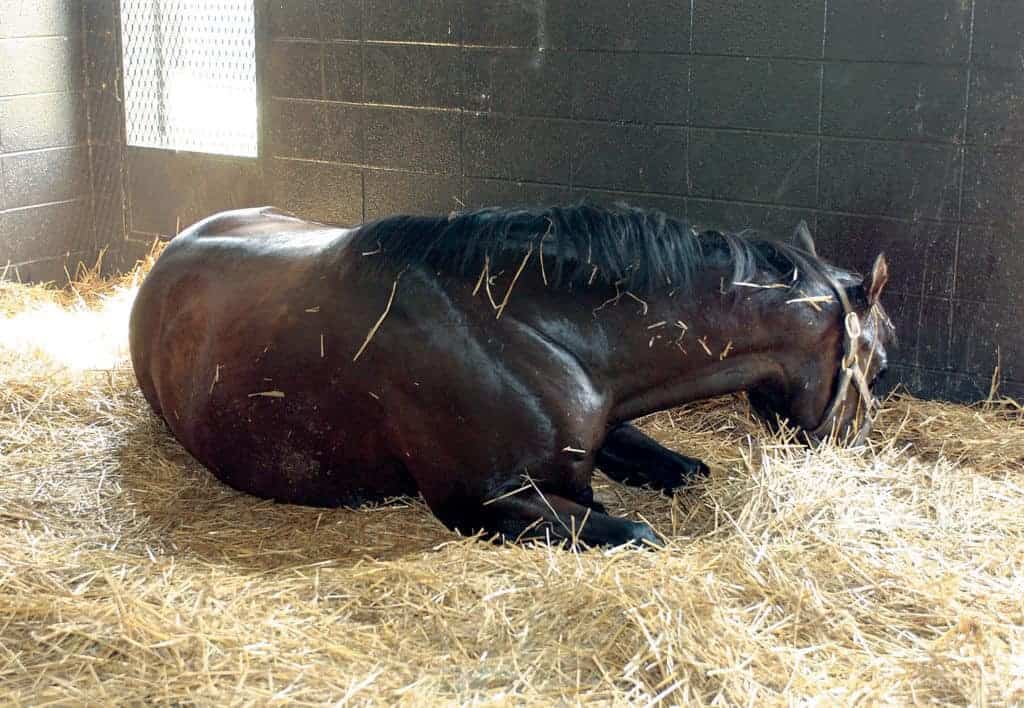
All about equine colic, from when to call the vet to how well horses recover from surgery.