Equine Parasite Control: What’s New?
Horse deworming recommendations have changed. Get up-to-date with Dr. Martin Nielsen of the University of Kentucky.

Horse deworming recommendations have changed. Get up-to-date with Dr. Martin Nielsen of the University of Kentucky.
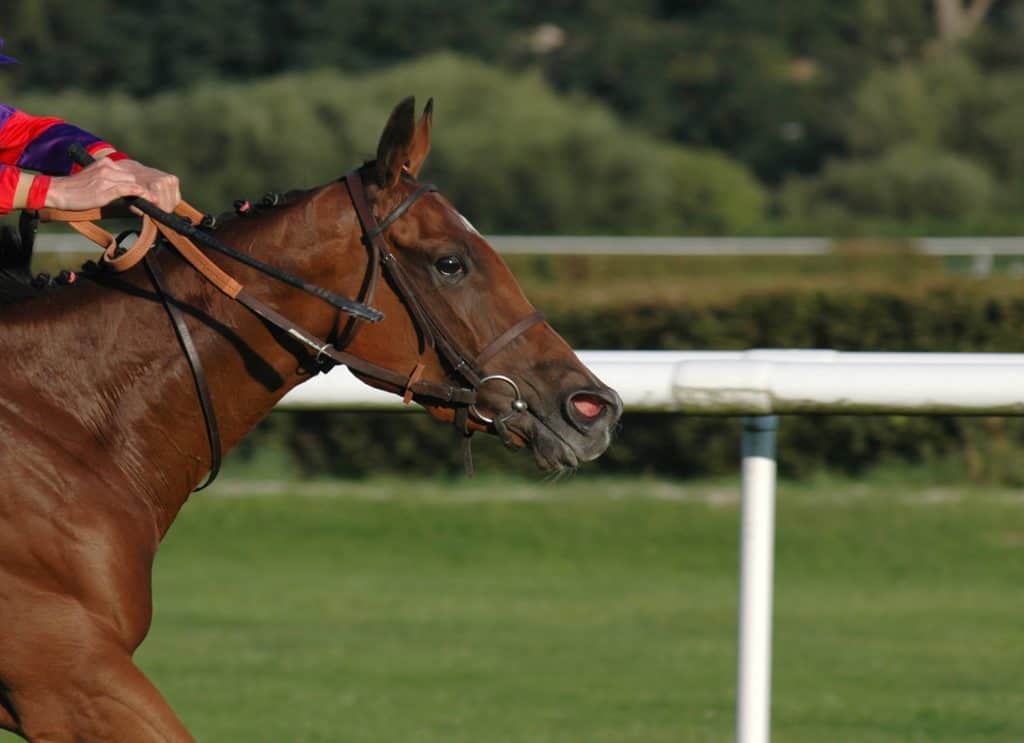
David Poole, PhD, DSc, of Kansas State University, presents information about horses’ oxygen transport pathway.

David Hurley, PhD, of the University of Georgia, shares insight into how tissue level events influence the development and control of immune system responses to infection, vaccines, and tumors.

Dr. Dave Frisbie of Colorado State University shares his thoughts on retiring horses due to arthritis.

Behaviorist Dr. Sue McDonnell, of University of Pennsylvania School of Veterinary Medicine’s New Bolton Center, explains how behaviorists and vets can work together to identify the source of a horse’s pain and disease.

Dr. David Levine of the University of Pennsylvania School of Veterinary Medicine’s New Bolton Center explains options for horses who’ve sustained bone fractures or breaks.

Learn about the research behind bisphosphonates and how they might help horses with navicular syndrome. Presented by Laura Kennedy, DVM, Dipl. ACVP, of the University of Kentucky Gluck Equine Research Center, in Lexington.

Does your horse have asthma? UPenn’s Dr. Rose Nolen-Walston shares management tips for offering your horse relief.

University of Kentucky’s Dr. Barry Ball defines the high-risk pregnancy and its causes and offers management options. Learn about fescue toxicosis, umbilical torsion, premature placental separation, and more in this information-packed lecture.
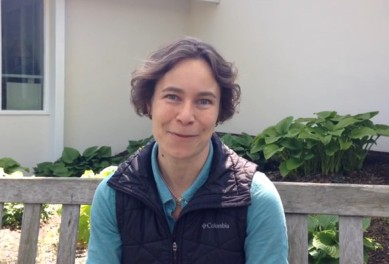
Dr. Amy Johnson of Penn Vet’s New Bolton Center offers advice on what to do (and not to do) if you suspect your horse has contracted Lyme disease.

Dr. David Levine, a board certified surgeon and professor at University of Pennsylvania’s New Bolton Center, shares common complications that can occur when castrating a horse.

Dr. Becky McConnico offers advice on planning for hurricane season.
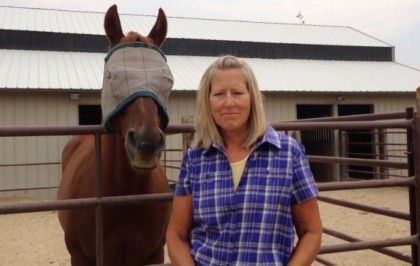
Horses for Clean Water’s Alayne Blickle offers advice on controlling flies and other bugs on horse properties.

A foal’s first hours are fragile. Here, Dr. Peter Morresey of Rood & Riddle Equine Hospital, in Lexington, Kentucky, shares the early signs of trouble to look for in both the foal and its placenta. What you learn might save a foal’s life.
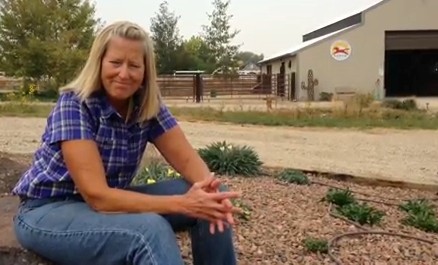
Horses for Clean Water’s Alayne Blickle shares the reasons she uses low-water, native plants to landscape her horse farm.

The University of Tennessee’s Dr. Jim Schumacher overviews navicular syndrome’s risk factors, treatments, and more.