Joint Therapies In Depth (AAEP 2011)
Dr. Larry Bramlage of Rood & Riddle Equine Hospital discusses the latest research on treating joint problems in horses from the 2011 AAEP Convention.

Dr. Larry Bramlage of Rood & Riddle Equine Hospital discusses the latest research on treating joint problems in horses from the 2011 AAEP Convention.
Discussion of endometritis in mares, what causes it, and how it’s treated with Mats Troedsson, DVM, PhD, Dipl. ACT, ECAR, chairman of the department of veterinary sciences at the Gluck Equine Research Center, University of Kentucky.

Sue McDonnell, PhD, Certified Applied Animal Behaviorist, received the 2011 George Stubbs award at the AAEP Convention. The award recognizes a non-veterinarian who has made substantial contributions to equine veterinary medicine.

An upcoming laminitis project sponsored by the AAEP Foundation and conducted by Texas A&M University researchers will collect case information from veterinarians across the country. It will be one of the largest studies of the disease ever conducted.
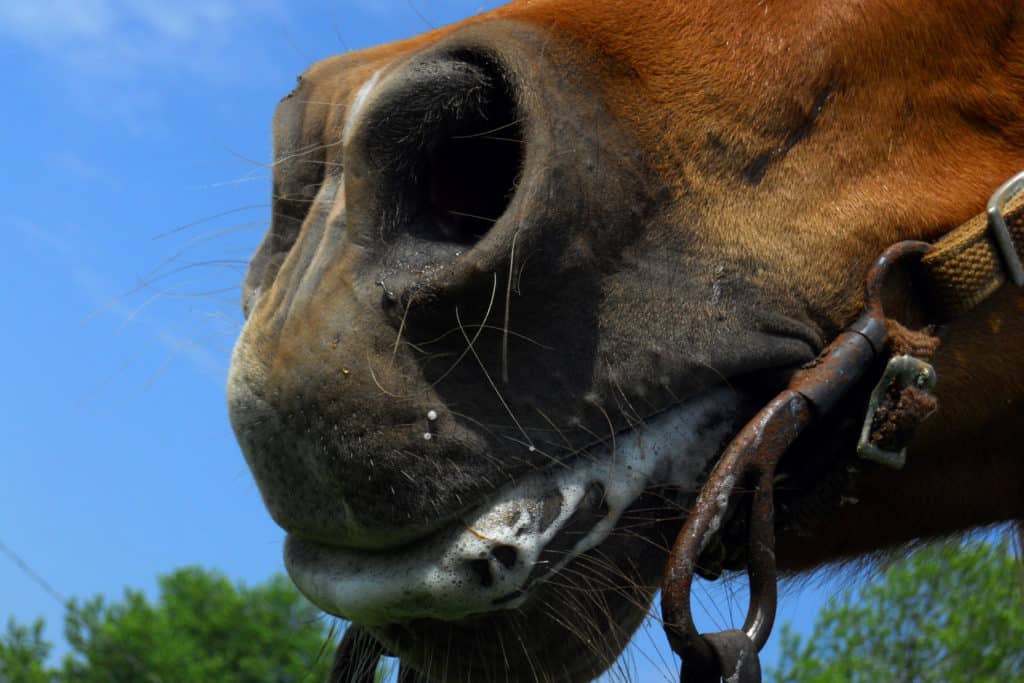
Evidence-based approaches to treatment of airway disease in horses such as heaves (recurrent airway obstruction or RAO) and inflammatory airway disease (IAD), with Dr. Laurent Couetil of Purdue University.

Joint therapies, business education, networking, and student career education form the highlights of the 2011 American Association of Equine Practitioners Convention.
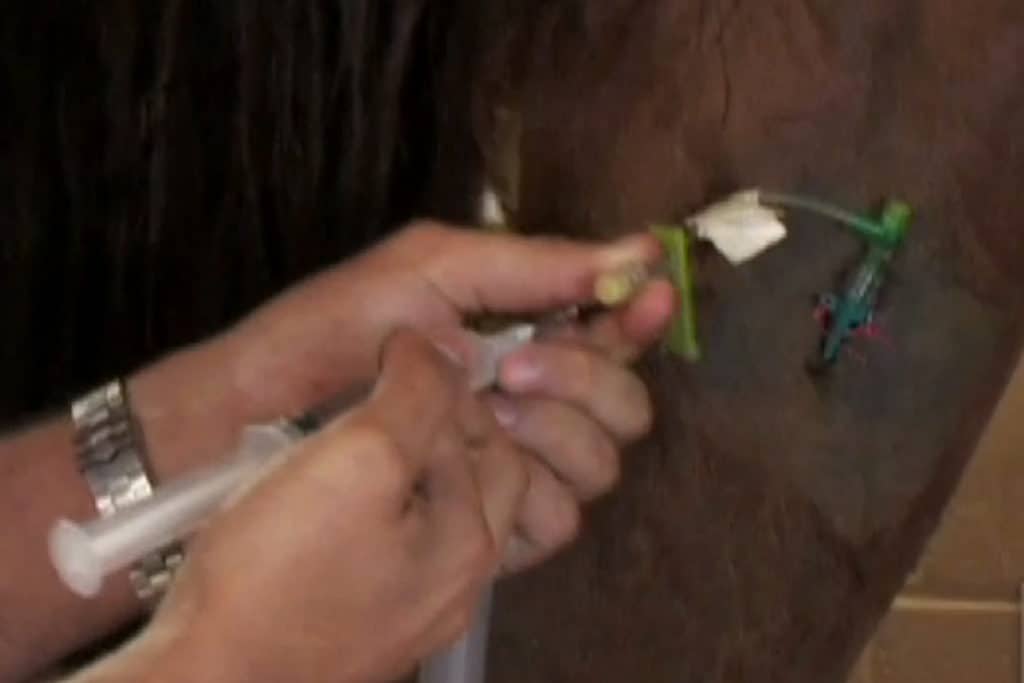
Sometimes horses might be sent home from the hospital with an intravenous catheter for medications. Here’s how to properly use, care for, and identify problems with these catheters in horses, with Dr. True Baker from the Woodford Equine Hospital.

Learn the dos and don’ts of how to wrap/bandage a horse’s legs for wound care with Dr. Christy Corp-Minamiji of Davis, Calif. (Hint: Don’t put Vetrap directly on the leg without padding!)

Are you concerned about worms in your horses? If you’re not, you should be! Learn why we need to learn to live with the worms to a degree, and how to protect your horses while minimizing dewormer resistance.
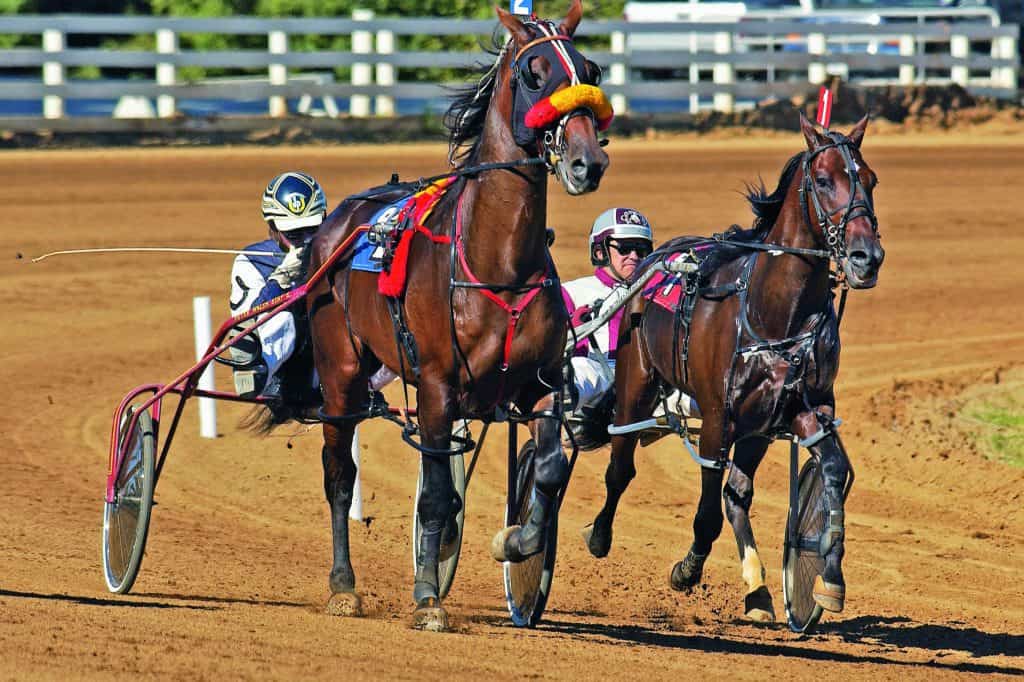
Dr. Martin Nielsen of the University of Kentucky describes the take-home messages from a recently published study that found winning Standardbred racehorses had significant worm burdens–even more than some horses that did not perform as well.
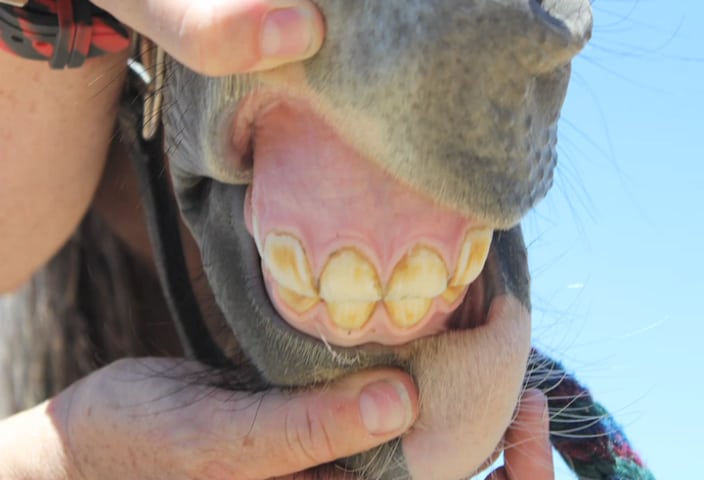
Horses’ teeth are very different from humans, and they need special dental care at least annually. Learn about routine dental exams, common dental problems, and routine equine dentistry procedures with Dr. Christy Corp-Minamiji.

Learn about why and how to stretch your horse before exercise (or when recovering from injury) with Dr. Heather Woodruff of the Hagyard Equine Medical Institute in Lexington, Ky.

Learn about basic horse wound first aid, including cleaning, antibiotic use, and wrapping/pressure bandage techniques with Dr. Christy Corp-Minamiji of Davis, Calif.
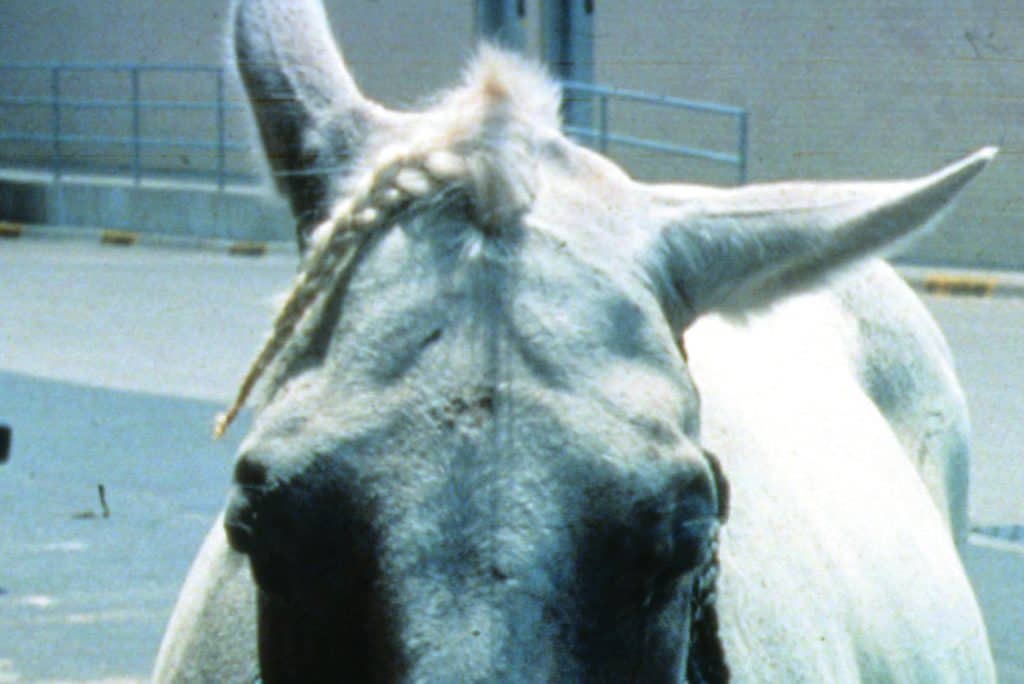
Four veterinarians discuss equine protozoal myeloencephalitis (EPM) diagnosis, what conditions it can appear to be, and effective treatment strategies.

Punctures, lacerations, abrasions, and avulsions, oh my! Learn about the different types of wounds horses can suffer, how to assess them, and how to stop the bleeding with Dr. Christy Corp-Minamiji of Davis, Calif.
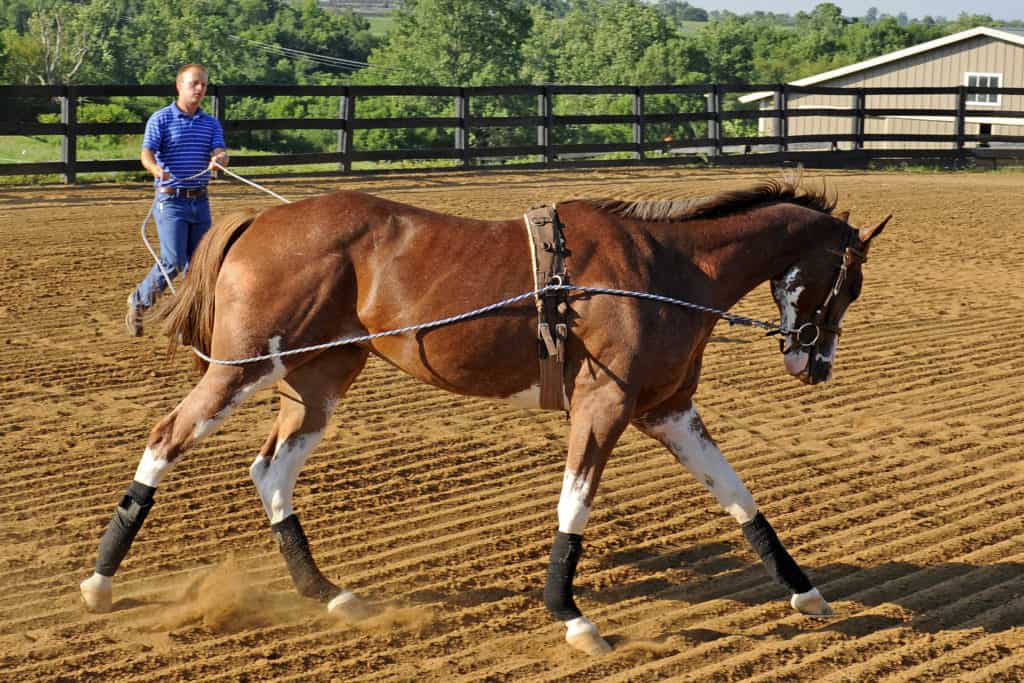
Discussion of the management of muscle mass in growing athletic horses and in aging horses, includes dietary considerations such as protein and “muscle-building” supplements, by Dr. Kristine Urschel of the University of Kentucky.