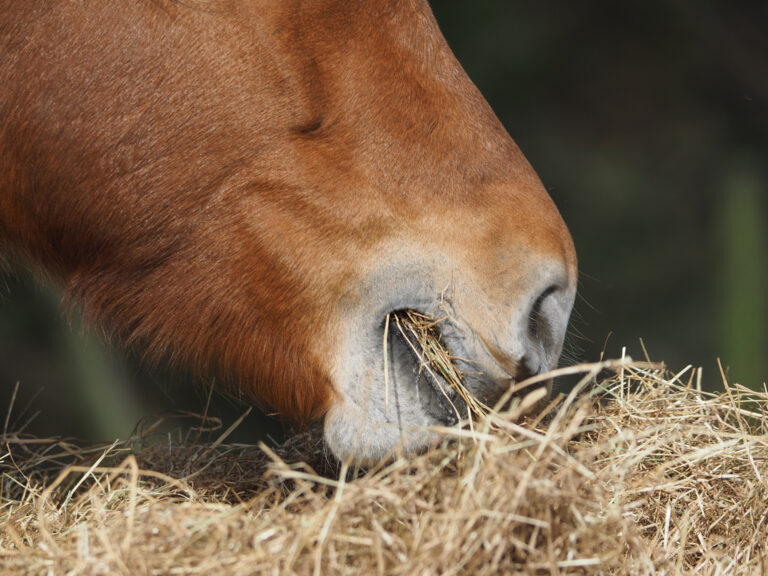


Dr. Jack Easley discusses equine dental anatomy and the importance of routine dental care.


Dr. Hannah Wellman tells us about her study on base sesamoid fractures and their effect on later performance. (6:49)

Dr. Michele Frazer explains this condition and the prognosis for affected horses’ future sales and performance. (5:00)


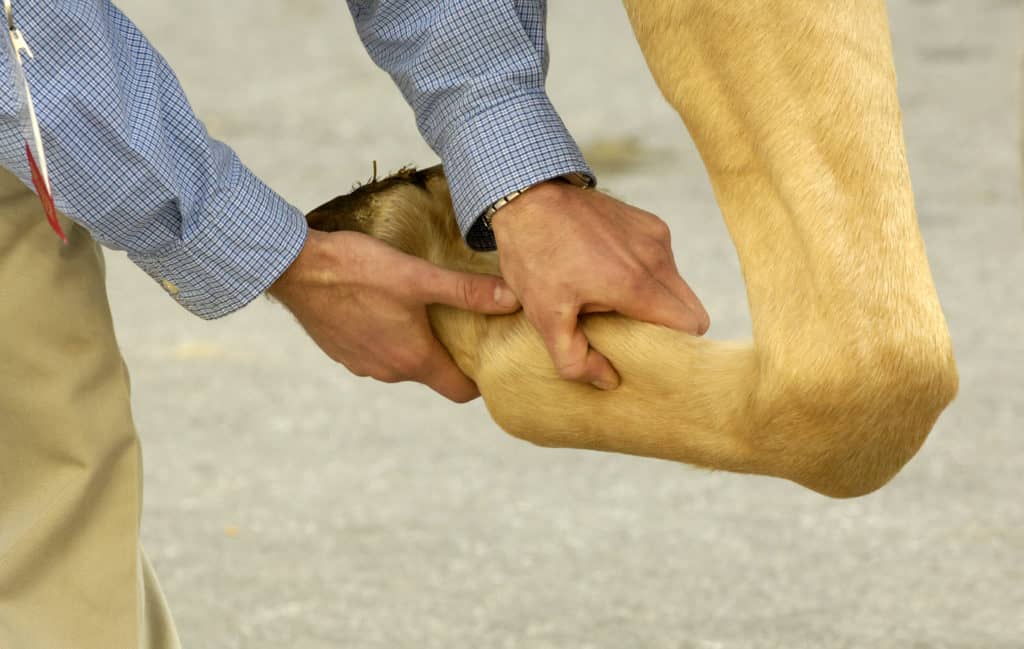
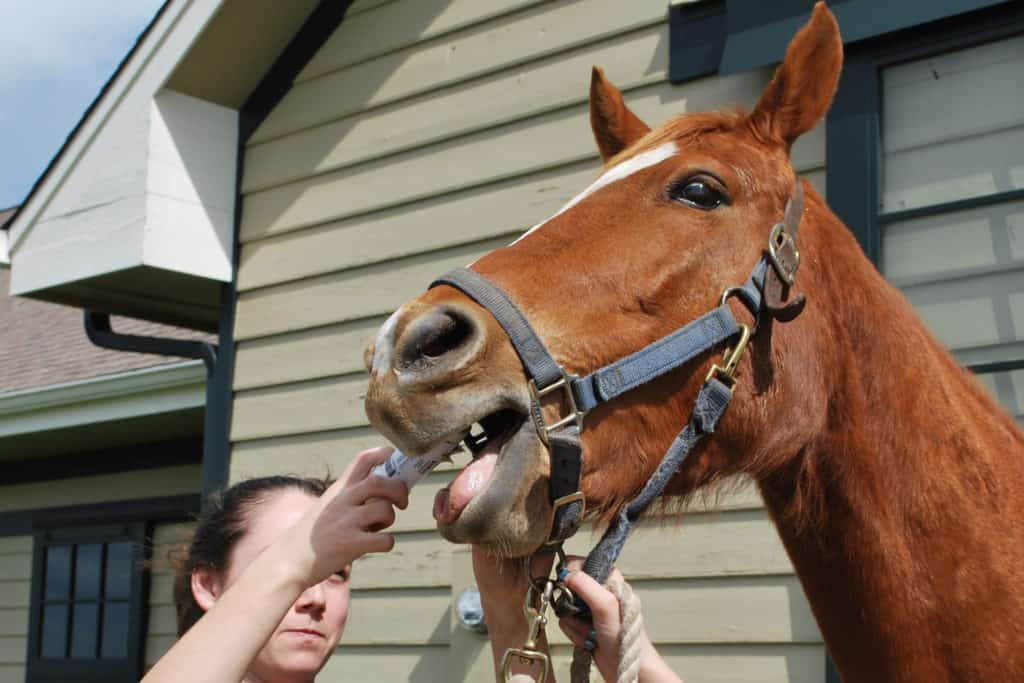
Dr. Bred Bentz discusses some of the ways a vet discerns the root of lameness.

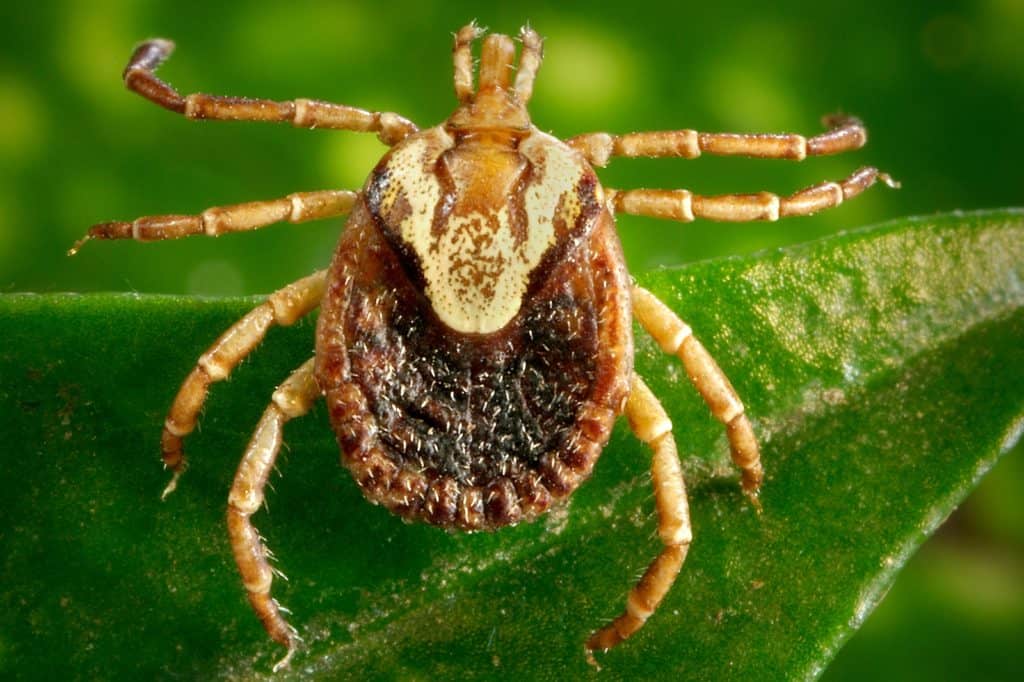
This hour-long video presentation features advice on identifying and managing resistant parasites.

This hour-long video features the most up-to-date information on managing anthelmintic-resistant ascarids, how to recognize the problem, what to do if you have resistant ascarids on your farm, and how to avoid developing resistant parasites.

Wobbler syndrome takes its name from its primary sign–a wobbling or uncoordinated gait. In technical terms, the horse has a “proprioceptiveness deficit,” or a lack of physical awareness of his limbs and their placement.

Get a behind-the-scenes look at award-winning photographer Barbara D. Livingston as she recounts the inspiration for her latest project, Horses: In Living Color. (2:19)

Penny Chenery, owner of Secretariat, sits down with BloodHorse.com’s Lenny Shulman to share her remembrances of Big Red and his legendary career.