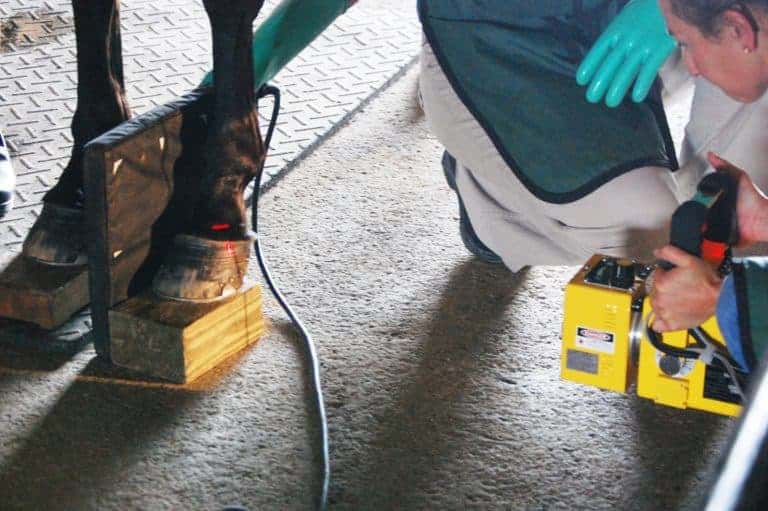
Federal Environmental Regulations and Horse Farms
The EPA might not come knocking on your barn door anytime soon, but that’s no reason not to practice good stewardship.

The EPA might not come knocking on your barn door anytime soon, but that’s no reason not to practice good stewardship.

Lecture topics include weed control, how to re-establish pastures, and plants that are poisonous to horses.
This year’s program will focus on “Grazing Rewards and Concerns: How and Why to Manage Your Pastures.”
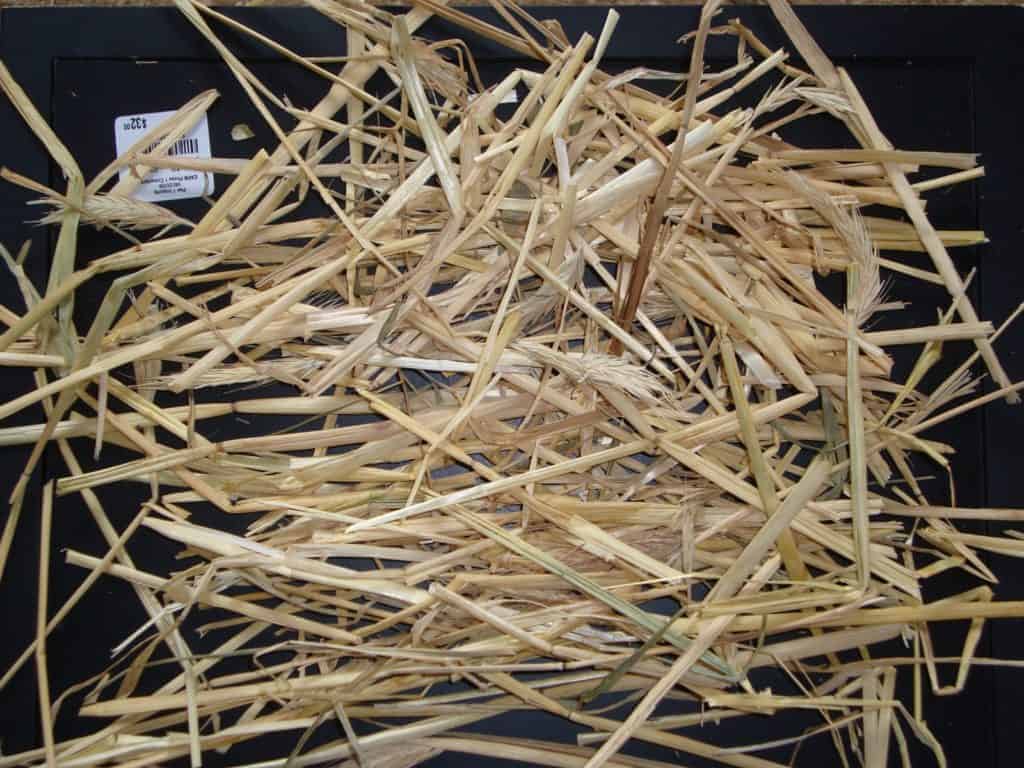
Industry professionals believe awns in rye straw, lip ulcers, and infection could be behind the horse’s sudden death.
Lecture topics will include hoof care, nutrition, emergency care, dentistry, eye diseases, behavior, and more.
The conferences are designed to show attendees how forage management can make a difference in a farm’s bottom line.
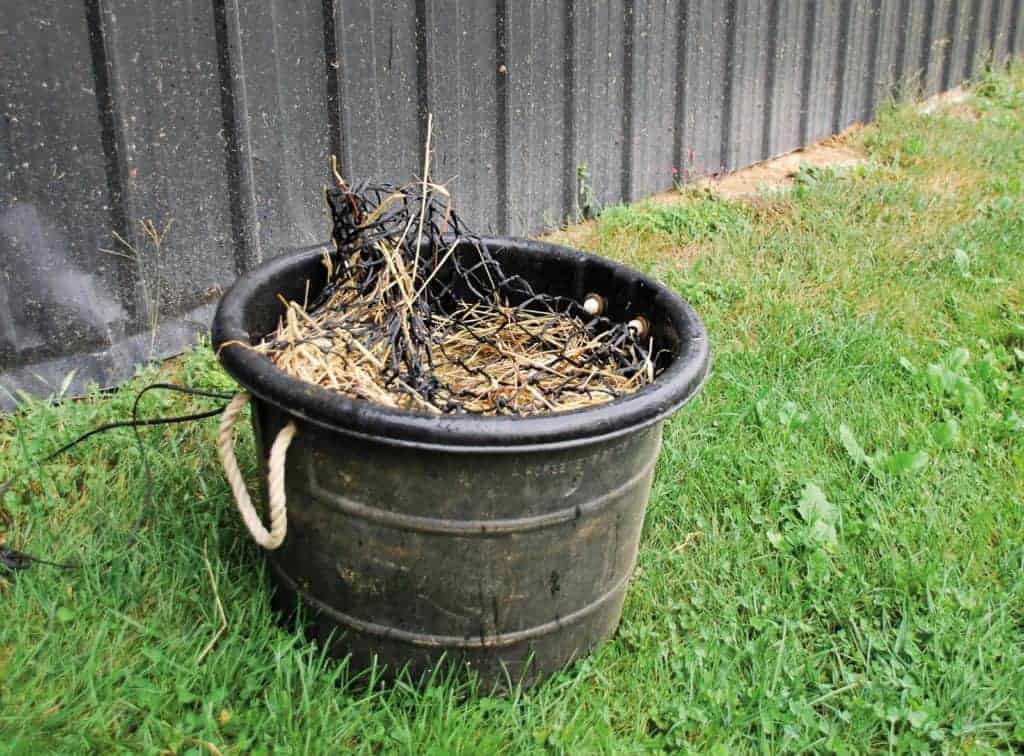
Of the 755 respondents, 584 (77%) said they do not soak their horses’ hay.

Prepare for drought long before pastures wither and hay supplies dwindle.


Does your horse drool like a dog? Here are some reasons why, from the benign to the life threatening.

Wild parsnip foliage can cause skin photosensitivity and rashes in both humans and horses.
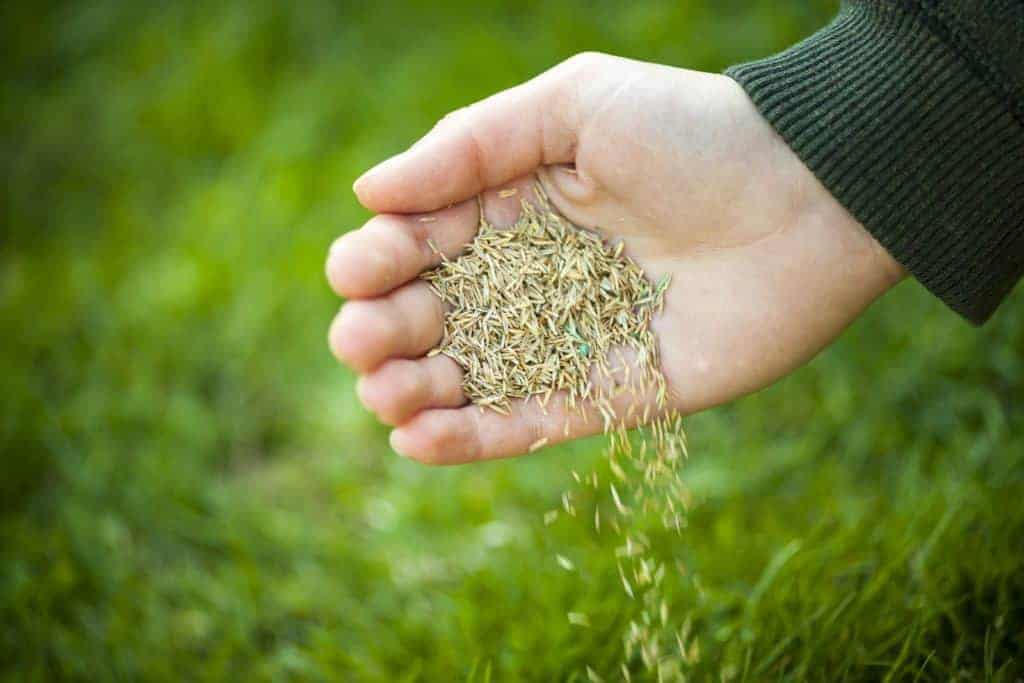
Overseeding horse pastures can help improve pasture production, forage quality, and ground cover. Here’s what to know.

Horses and other animals rarely consume nimblewill, so the plant often persists in pastures.

The toxins that cause this potentially fatal neurologic disease could be lurking in your horse’s environment or hay. Learn how to recognize and prevent botulism with this visual guide.

Fodder is plant material grown hydroponically and harvested as livestock feed. Find out if it’s a good forage source for horses as well.

Are you confused about equine nutrition? Learn how to feed your horse in our step-by-step visual guide.