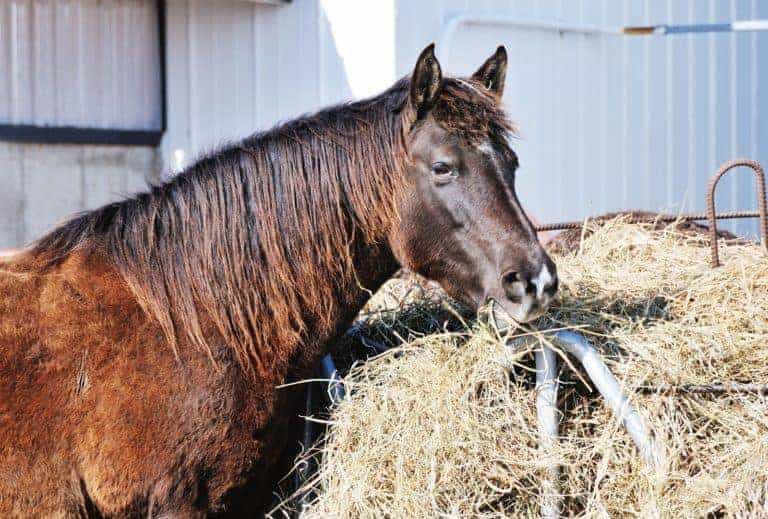
Bugs in a Bag of Horse Feed
What should you do if you find unwelcome pests in your horse’s grain? Our nutritionist weighs in.

What should you do if you find unwelcome pests in your horse’s grain? Our nutritionist weighs in.
Two horses at the same farm that consumed Nutrena SafeChoice Senior died three days apart.
Western Milling will pay more than $500,000 in fines in connection with its manufacture of monensin-contaminated feed.
A Cargill product, Progressive Nutrition Soothing Pink, was found to contain the banned substance ractopamine.

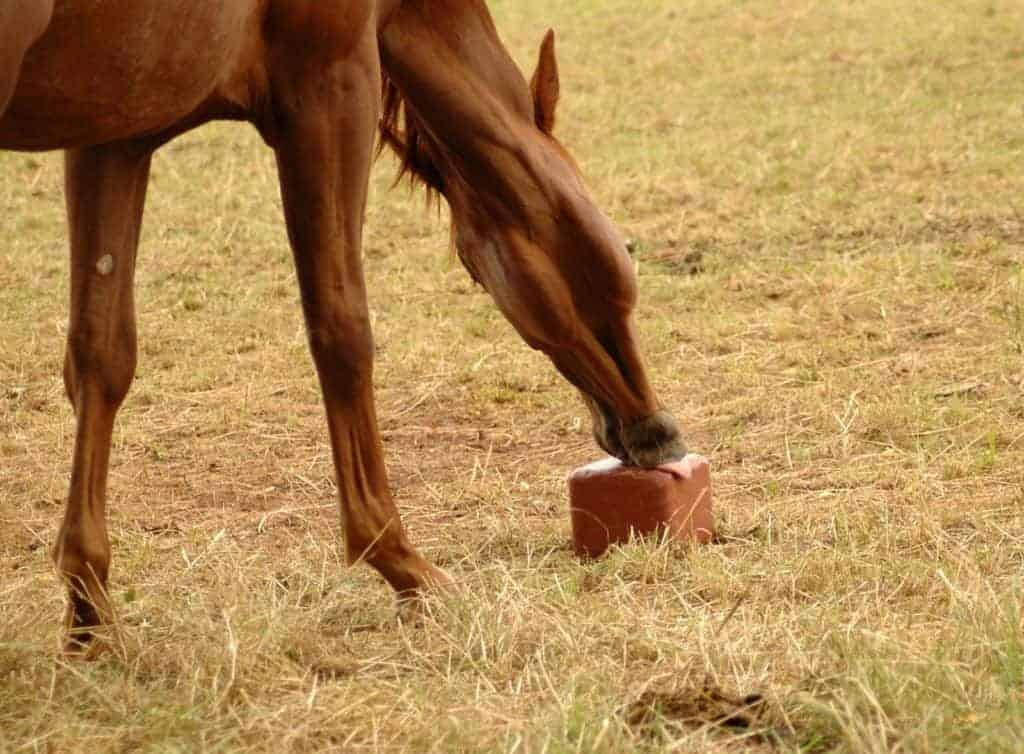
An equine nutritionist explains how to ensure your horse gets an appropriate amount of salt.

Molybdenum isn’t usually a topic of conversation, but this mineral is an important part of your horse’s diet.

In some areas, water sources can contain substantial amounts of Mn, which can affect dietary needs.

Iron plays a key role in oxygen transport and immune function in the horse.
Find out how iodine plays an important role in equine metabolism, growth and development, and overall health.

Pay special attention to the purpose statement, guaranteed analysis, ingredients, and directions for use.

A nutritionist looks at the relevant, if limited, research about pre- and probiotics in the equine diet.

Watch for these conditions that impact nutrient absorption and lead to weight loss in horses.

Protecting your horse from infectious disease needn’t require storing him in a protective bubble. Here are 10 recommendations from leading equine biosecurity experts.
Learn how rising temperatures and extreme weather events are affecting horse keeping.

Blue-green algae can produce toxins that cause health problems and even death in animals, including horses.
Two horse owners allege that feed manufacturer ADM knowingly sold and distributed horse-feed tainted with monensin.