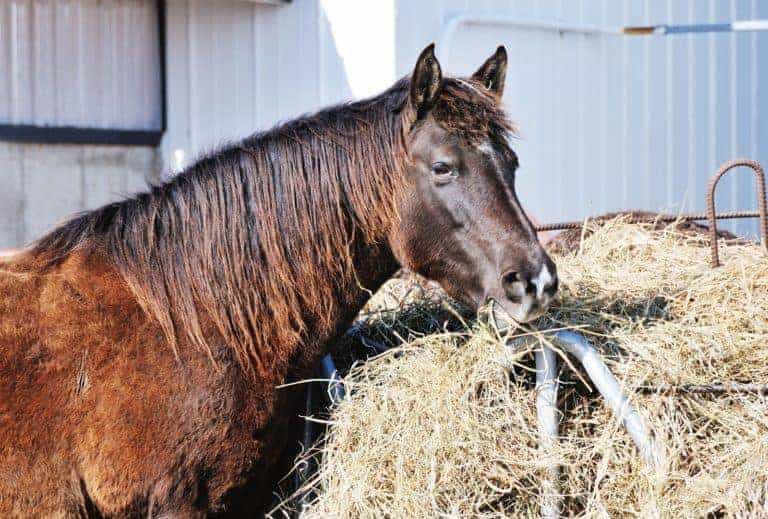
Understanding Hindgut Problems in Horses
The equine hindgut breaks down fiber, which makes up most of the horse’s diet. Learn how diet and management can affect this important part of your horse’s GI system.

The equine hindgut breaks down fiber, which makes up most of the horse’s diet. Learn how diet and management can affect this important part of your horse’s GI system.

An equine nutritionist answers a reader question about how her horse’s diet might play a role in his poor coat quality and hair loss.
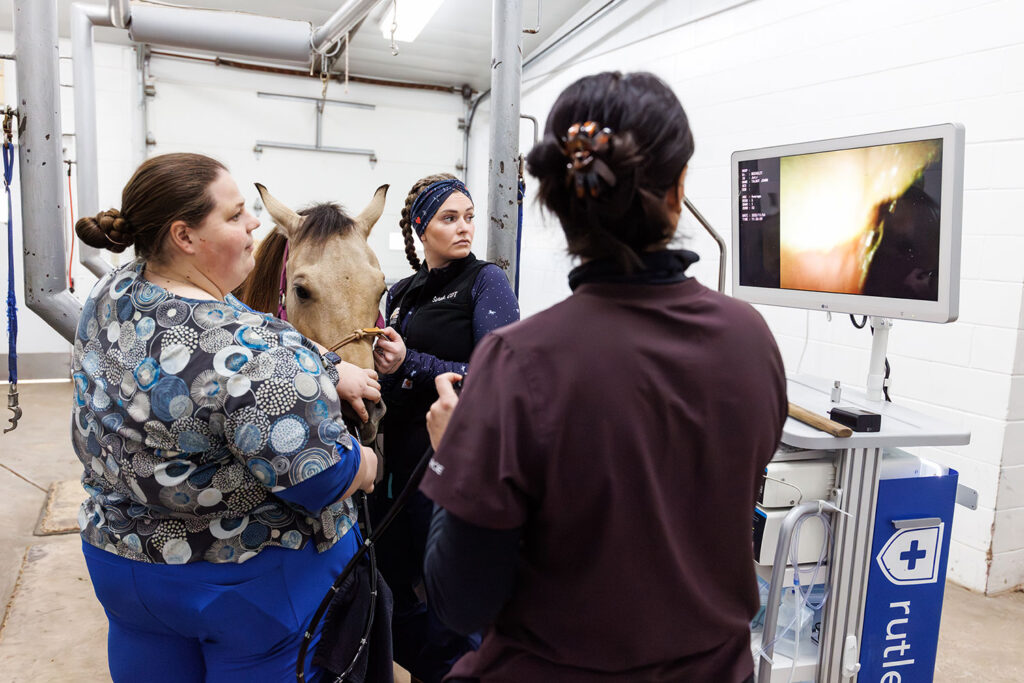
Two veterinarians answer your equine gastric ulcer questions during this recent Ask TheHorse podcast episode. Brought to you by Bimeda.

Learn how to store hay and grain properly—keeping nutrients in and mold, rodents, and spoilage out.
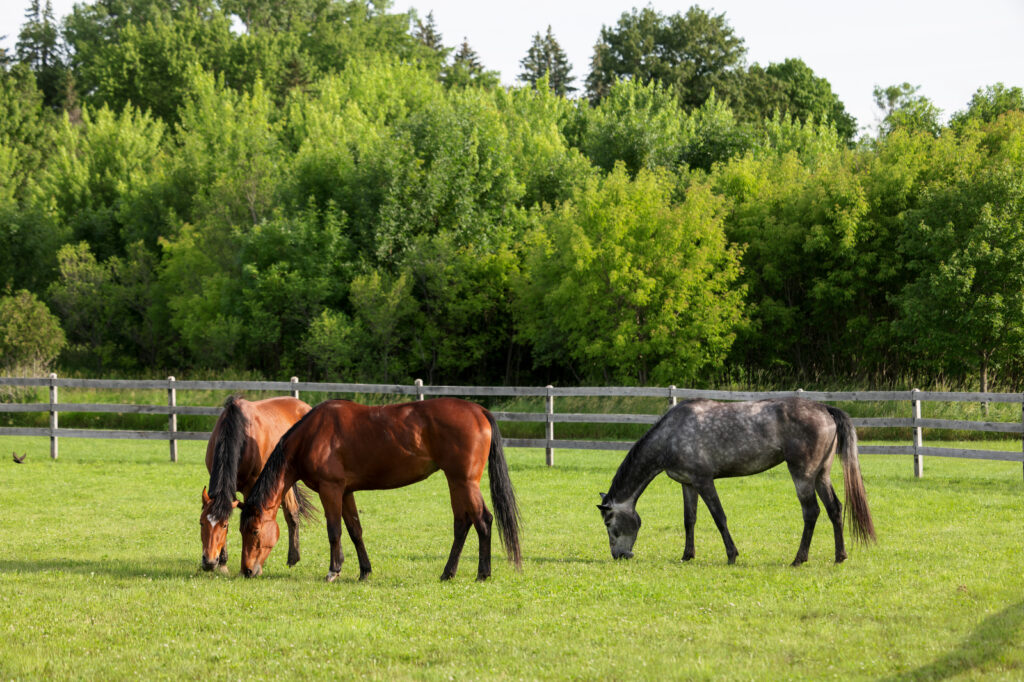
Many horses fall short on key nutrients despite adequate feeding. These gaps can affect hoof quality, recovery, and overall health.

What does it take to optimize a horse’s immune response and fight off disease?

In this podcast episode two experts answer listener questions about managing horses that have metabolic problems. Sponsored by Dechra.

Low vitamin E levels in horses can contribute to 3 diseases, and supplementation might help support affected horses.

Dr. Frank Andrews explains how vitamin E and selenium could help support your horse’s immune system.

How veterinarians navigate 4 common scenarios, from dehydration to the postpartum period, that increase colic risk.

Use winter downtime to declutter your horse barn and promote chore efficiency.

Read about the do’s and don’ts of feeding horses that have 4 common health conditions, including gastric ulcers, metabolic disorders, and more.
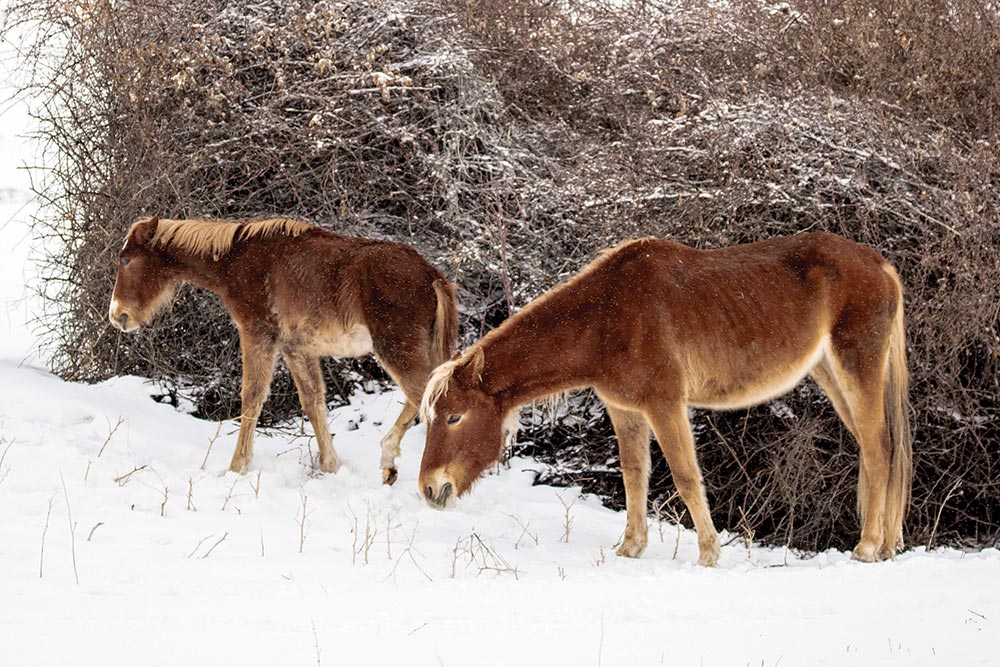
Consider the reasons your horse needs to gain weight and learn how to help safely and effectively. Read more in the Winter 2025 issue of The Horse.

Equine grass sickness is frequently fatal. Here’s what researchers know about this complex disease.

Learn about 14 types of colic, or abdominal pain, in horses and their prognoses.

Don’t forget horses need calories to keep cool in the heat.