Help, My Horses Won’t Eat Their Hay
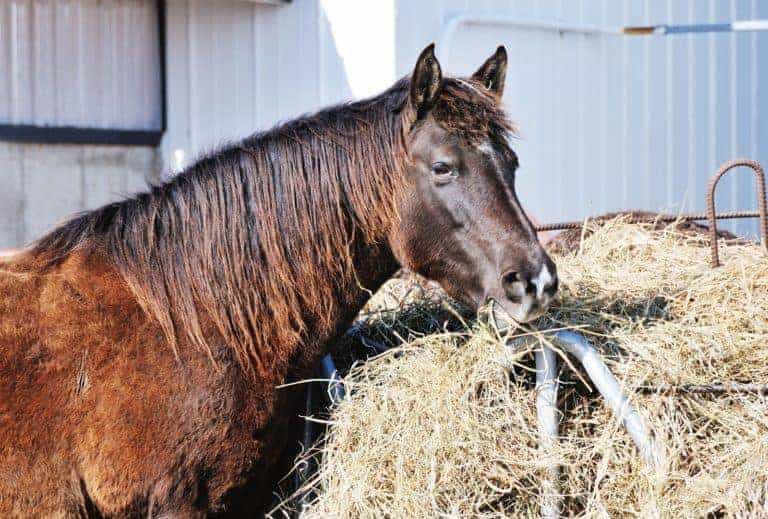
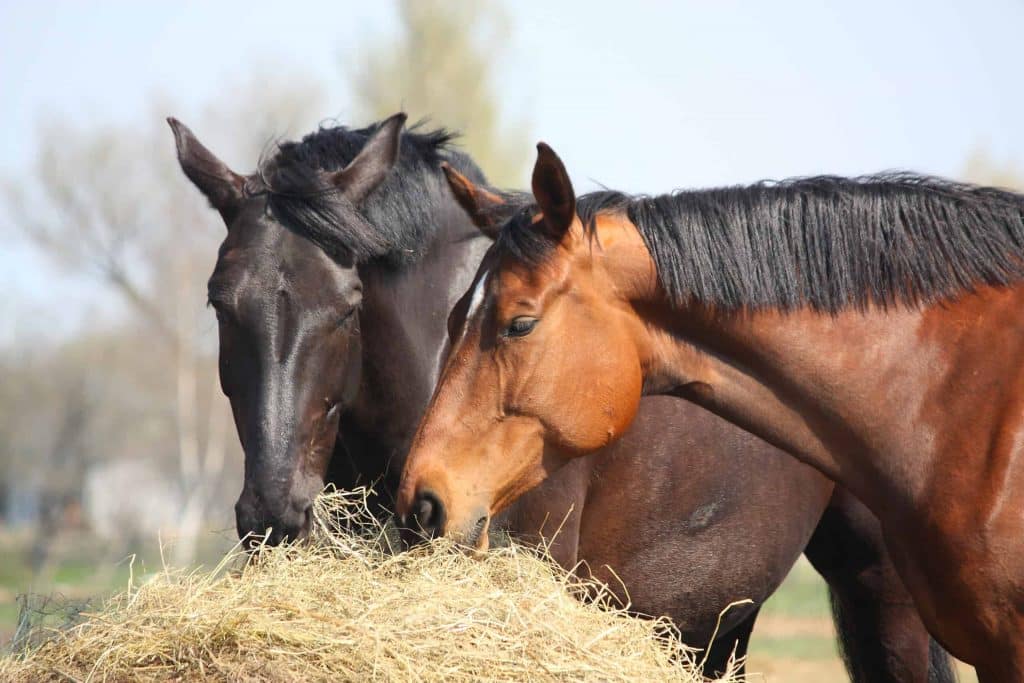
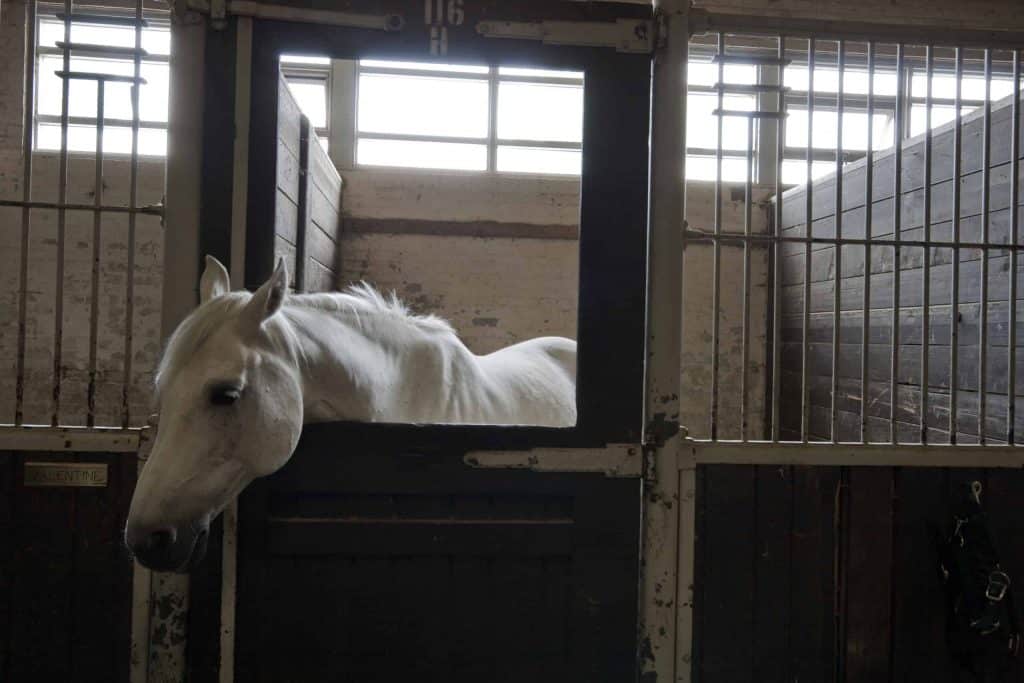
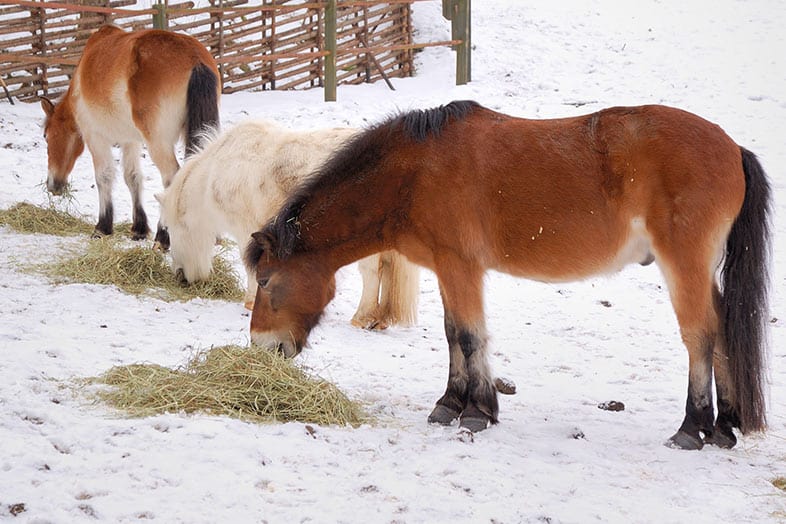
A nutritionist gives different reasons why two horses might not be consuming enough hay.

A nutritionist gives different reasons why two horses might not be consuming enough hay.
Diarrhea in adult horses can be life-threatening, so it is important for horse owners to know when to call their veterinarian and when to wait.

Equine pastern dermatitis is a potentially painful condition that can spread between horses if not treated properly.

My horse is turned out to pasture for at least part of each day. Every winter he gets scratches. Is there anything I can do nutritionally that might help prevent this?

Proper nutrition is vital for your foal’s health and can ensure he reaches his genetic potential.

A pregnant mare should maintain a healthy weight to support both the fetus’ and her own calorie needs.
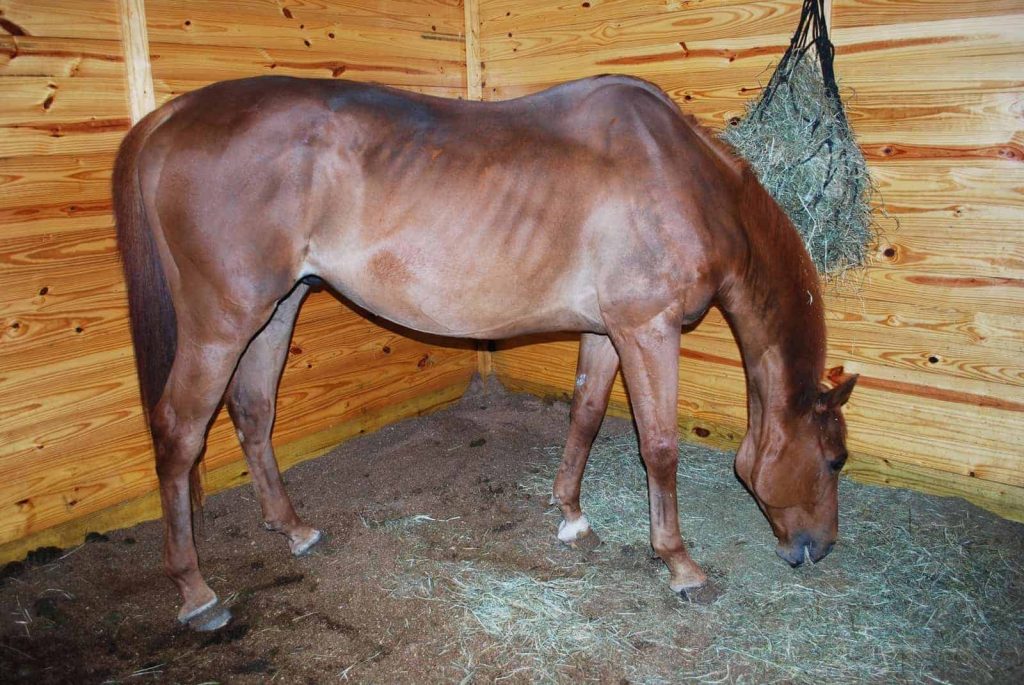
Feeding your horse good-quality feed and forage can help him gain weight in a safe way.

Consider growth rate and nutrient balance when deciding what to feed young horses.
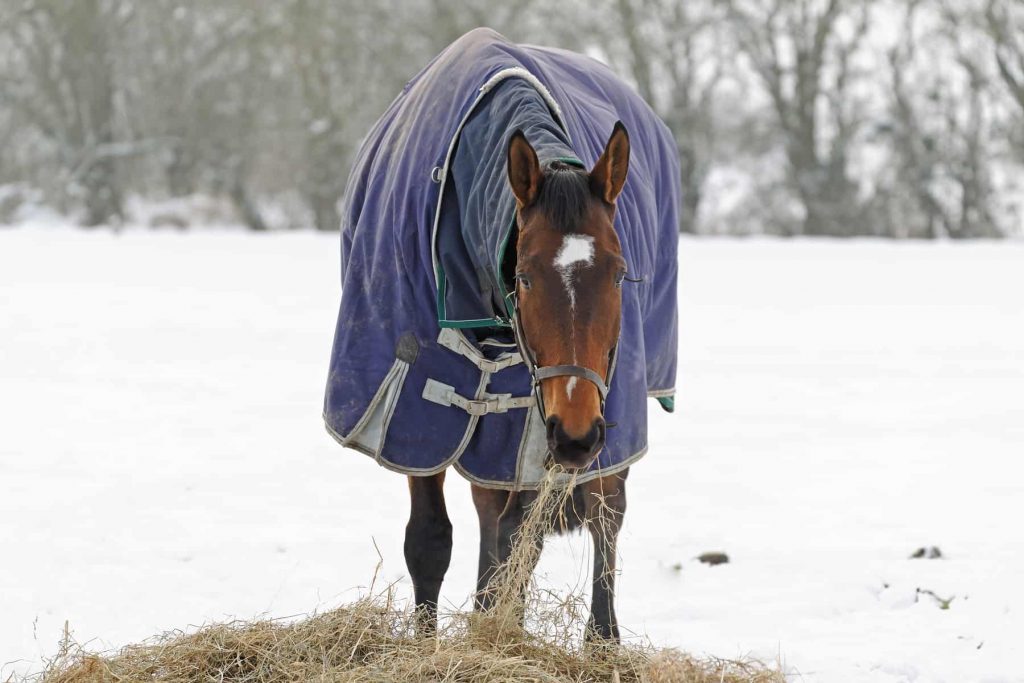
Our nutritionist shares how you can improve your horse’s coat, even during winter.

Here are some common dental issues that can negatively impact your horse’s performance and how they can be corrected.

If managed with the right nutrition plan, horses and ponies with histories of laminitis can have successful careers.

Your foal needs proper nutrition to get a jump on a healthy life. Here are some tips to ensure he receives it.

You might need to make adjustments to keep your horse healthy and happy through the winter.
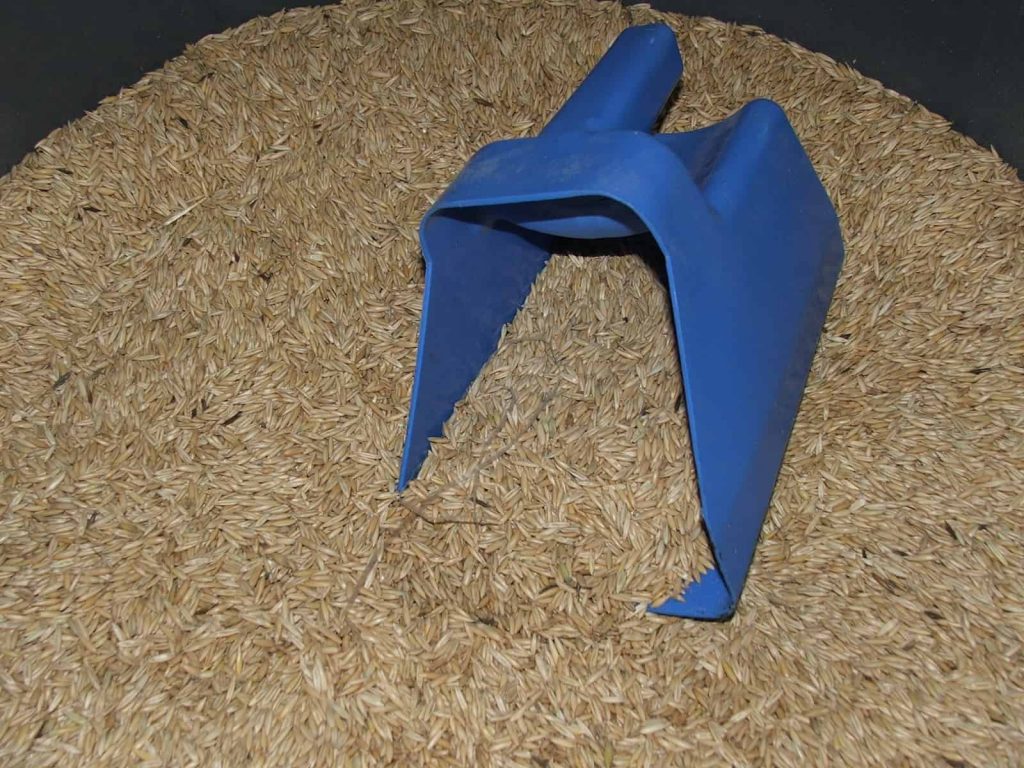
An equine nutritionist discusses the validity of serum allergy tests for horses and offers more accurate options.

If you are experiencing a hay shortage, consider these options for hay replacement.
The best winter weight management practice could be consistent monitoring of your horse’s body condition.