Forage-Only Diets for Competition Horses
Dr. Shannon Pratt-Phillips describes what to consider when switching your competition horse to a forage-only diet.

Dr. Shannon Pratt-Phillips describes what to consider when switching your competition horse to a forage-only diet.
Here are 6 tips to stretch your dollar without compromising your horse’s diet.
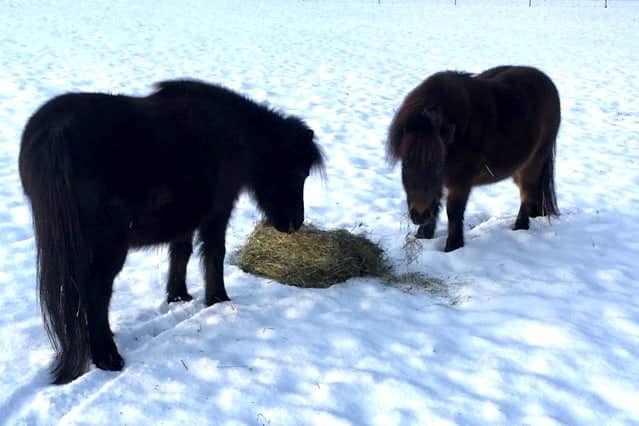
An equine nutritionist offers advice for determining Miniature Horses’ forage requirements.
All horses and ponies have a different threshold for NSCs, but researchers are beginning to better understand how to feed horses with ID and EMS.

Can an active PPID horse have pasture access and performance feed? Our equine nutrition expert offers advice on feeding a gelding with managed PPID.
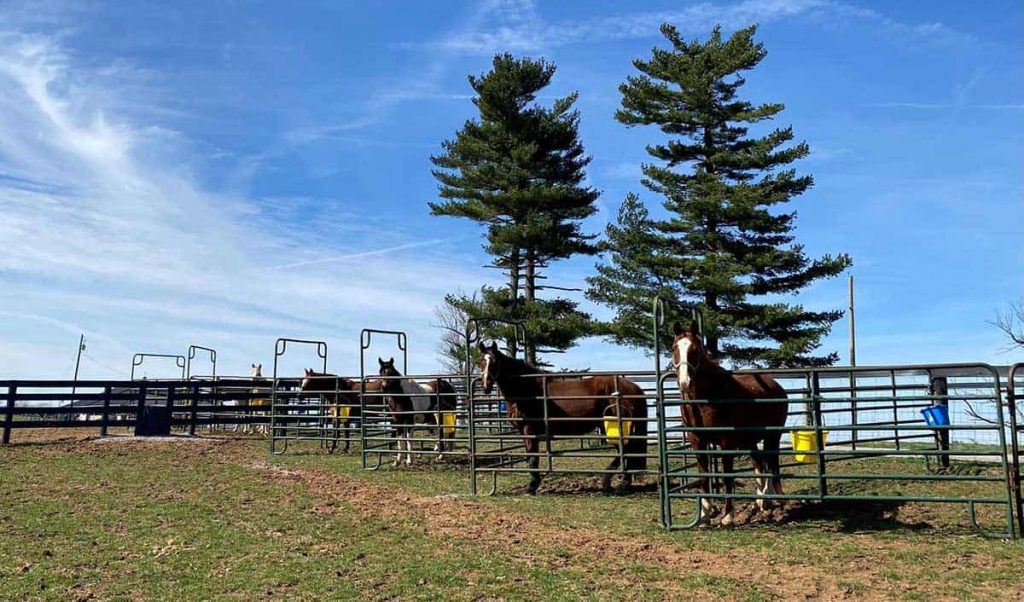
Here’s what you need to know about turnout location, fencing, footing, and enrichment for horses on smaller properties.

Researchers found that feeding a certain prebiotic product prior to transport and exercise reduced dysbiosis and leaky gut syndrome.
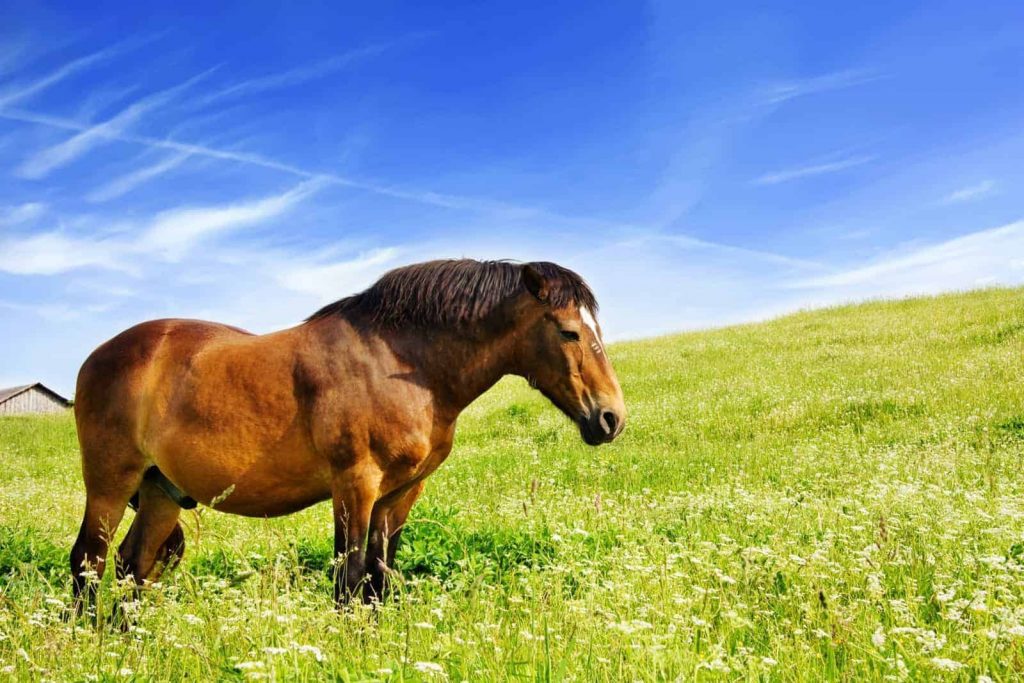
Caring for easy-keeping horses can be challenging. Learn how to manage your easy keeper safely and effectively.

Steaming might be the more effective option for reducing allergens in hay.

Fat can be a smart addition to the performance horse’s diet if you choose the right source and add it to the diet slowly.
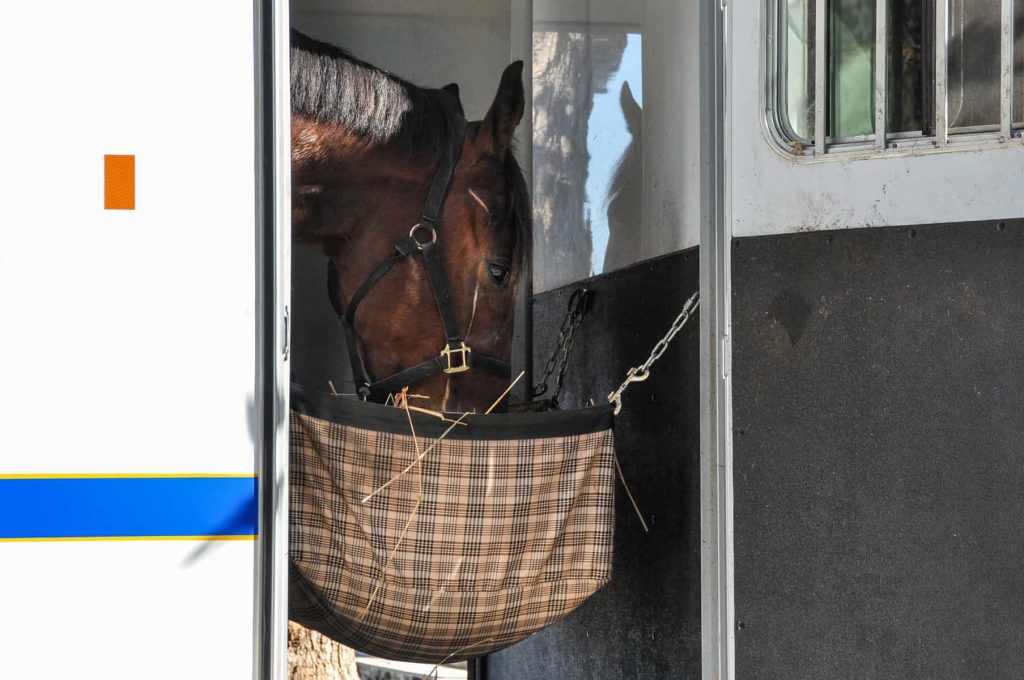
Equine athletes have specific nutritional needs that must be met to keep them performing their best. Sponsored by Purina.

Recurrent airway obstruction is a medical condition, but feed changes might help your horse breathe better.

Does alfalfa cause kidney or respiratory problems or make horses hyper? Specialists shed light on these myths and more.
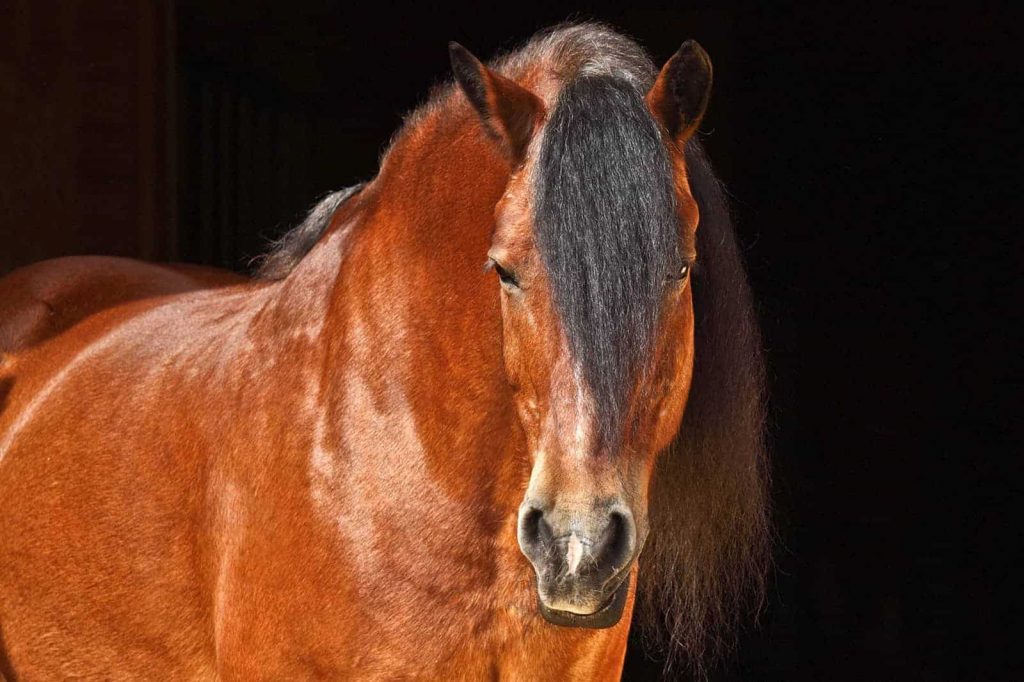
Adiposity can cause a variety of health problems in performance horses, from heat stress to arthritis.

An equine nutritionist’s advice on choosing treats for horses and ponies that might be prone to insulin dysregulation, obesity, or EMS.
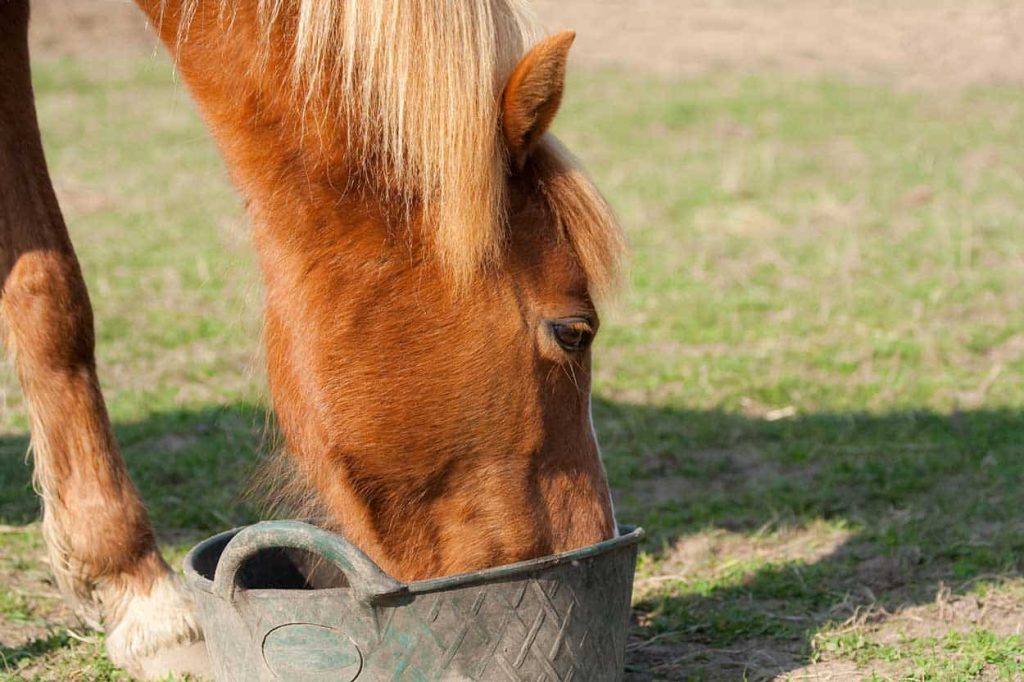
Owners should take an individual and regional approach to planning low-NSC diets for ID horses.