How Feed Changes Affect the Horse’s GI Tract
If you’re making changes to a horse’s diet, do it slowly. Learn why this applies to not only concentrate feeds but also forage.

If you’re making changes to a horse’s diet, do it slowly. Learn why this applies to not only concentrate feeds but also forage.
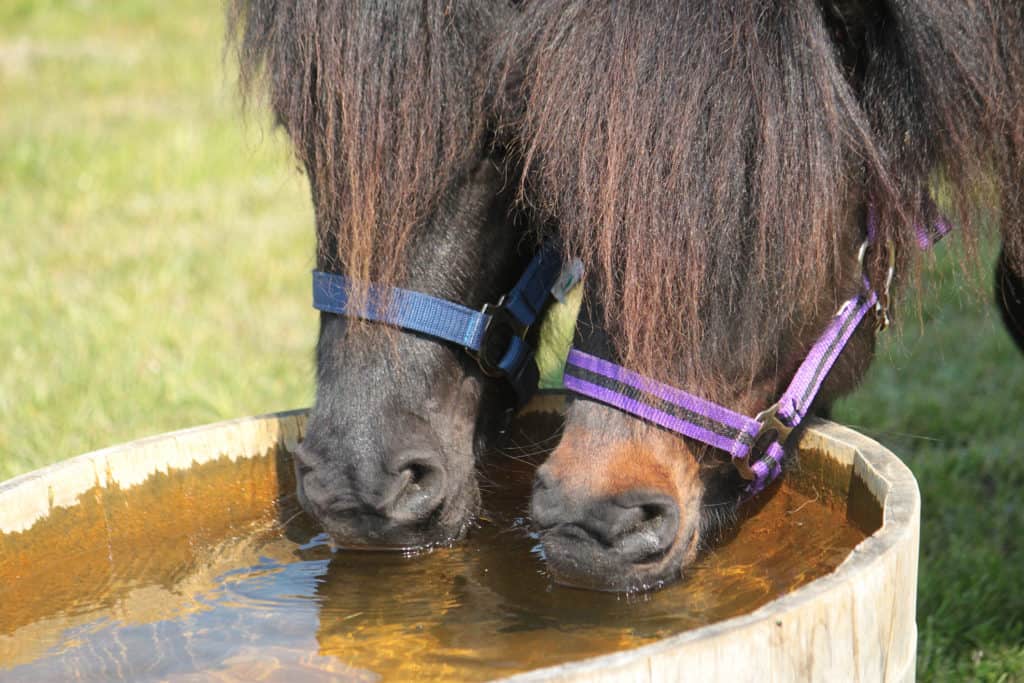
We consulted two equine nutritionists to answer your burning questions about horse hydration. Here’s what you need to know.

A ration balancer is designed to provide your horse with the essential nutrients forage-based diets most likely lack.

Learn how to support your horse’s gut microbiome in this episode of Ask TheHorse Live. Sponsored by Purina.

Spirulina might be a beneficial supplement for horses due to its protective effect seen in other species’ joint cartilage.
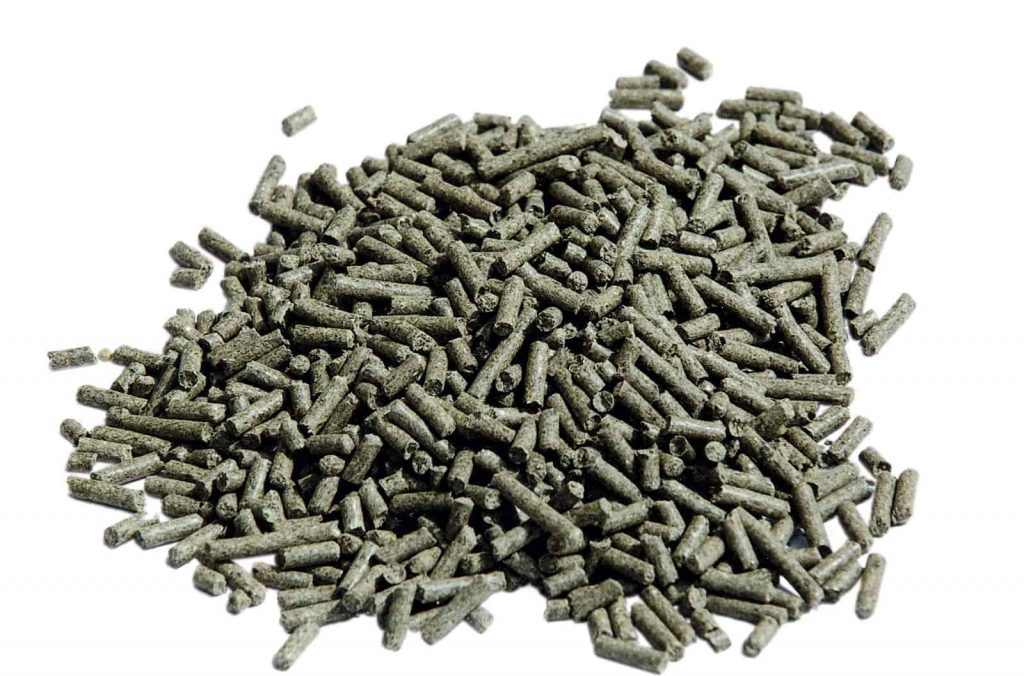
Is it safe to feed your horse alfalfa pellets and grain alone? An equine nutritionist weighs in on the subject.

Understanding the differences between haylage and grass hay can be helpful for horse owners when deciding which is best for their horse.

Grazing muzzles can promote equine weight loss, but it is important to introduce them correctly so horses know how to use them and don’t become stressed.

Follow these steps to help your overweight horse subsist on fewer calories.

Here’s how to implement feed and exercise changes for horses that are overweight or obese.

Based on a recent horse owner survey, researchers report the most common mistakes made when creating equine diets. Oversupplying calories tops the list.
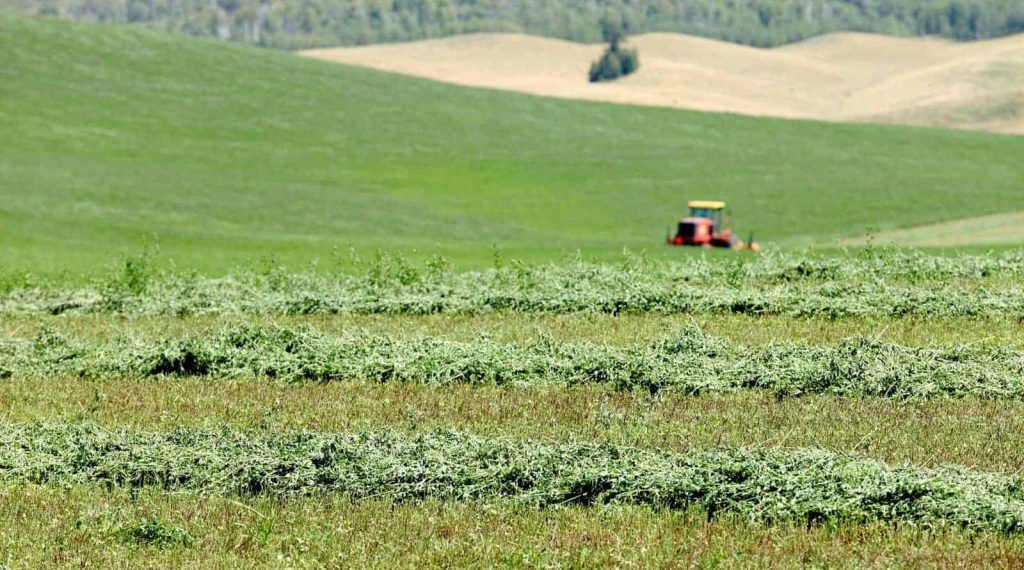
Learn how to choose the right type of forage for horses with metabolic problems.

Understanding the differences between these groups’ microbiomes and adjusting dietary and management practices accordingly could help improve domestic horse welfare.
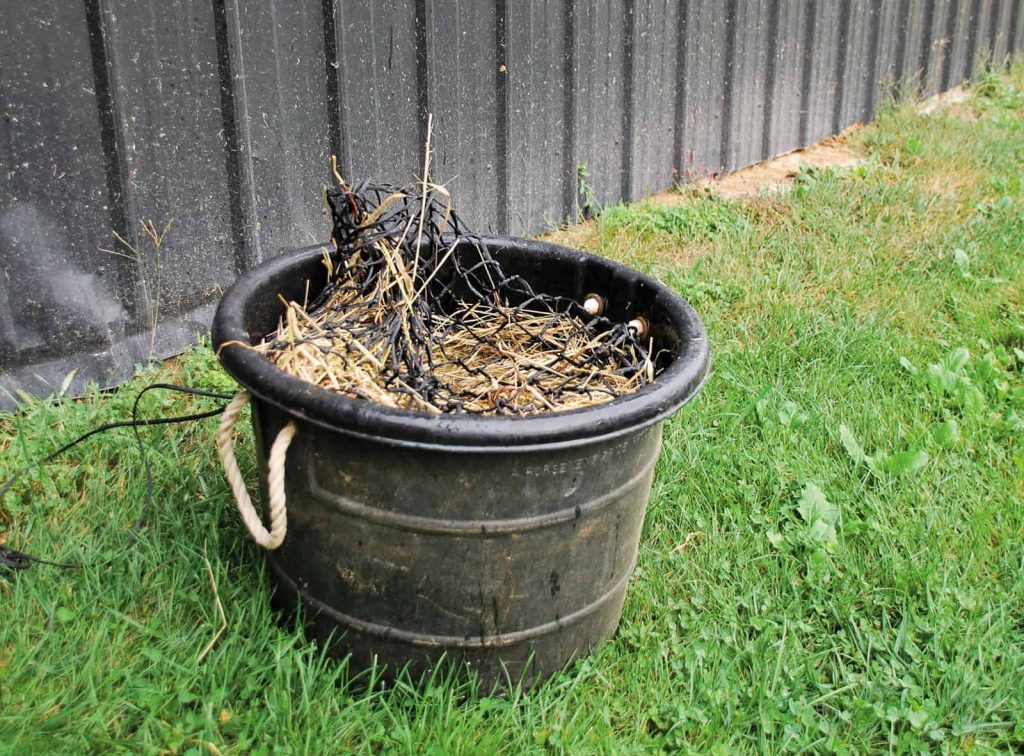
Soaking hay for horses with PPID or insulin dysregulation can reduce the WSC and ESC values, making it safer for these horses to consume.

Grazing horses at night can help keep them at a healthy weight and reduce their sugar intake.

Researchers have determined that limiting horses’ access to hay might make them more likely to engage in abnormal and aggressive behaviors.