Grain-Free Feeds for Horses
An equine nutritionist breaks down what’s in a grain-free feed and how you might increase calories for a performance horse consuming a grain-free diet.

An equine nutritionist breaks down what’s in a grain-free feed and how you might increase calories for a performance horse consuming a grain-free diet.

Here’s a look at what hair analysis and bloodwork each can tell you about your horse’s nutritional health.

This feed program appeared to improve one horse’s weight, skin, and coat and might have helped him avert gastric issues during a stressful situation.

Ditch traditional bran mashes (and the issues they can cause) for forage feeding to keep horses warm.
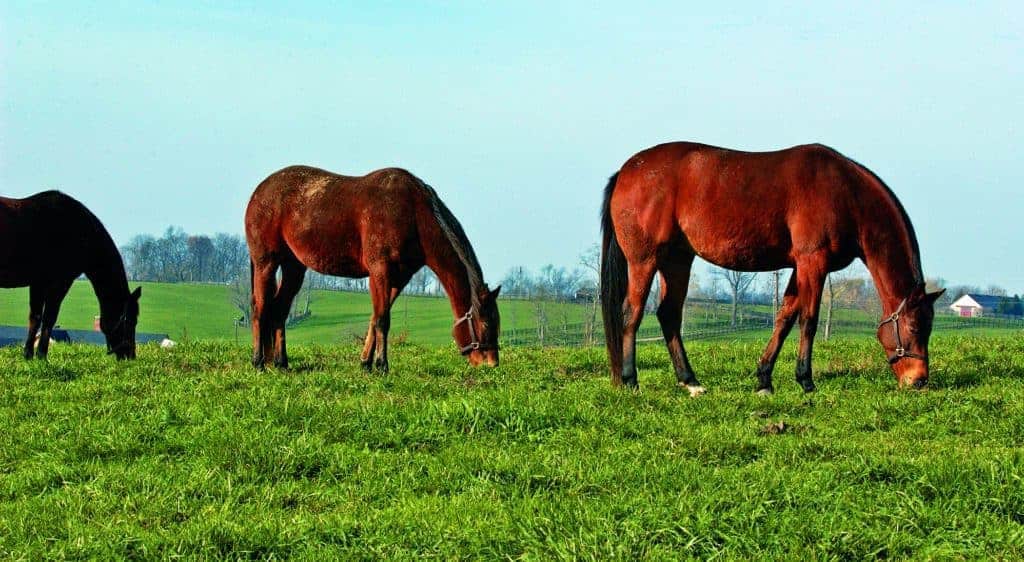
If your broodmare is overweight and/or has metabolic problems, her foal could be at risk. Here’s how you can keep both horses safe during pregnancy.

One equine nutritionist offers tips and asks for your input on dealing with ice in horse watering tanks.
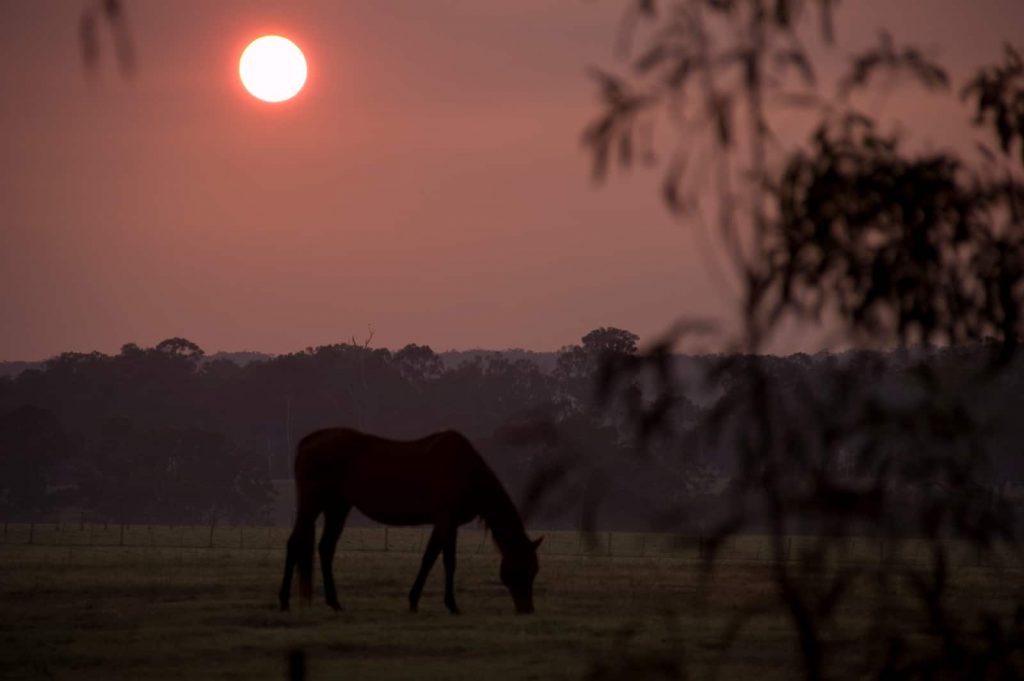
If your horse is living in an area with poor air quality, he might benefit from wet or steamed hay and omega-3 supplementation.

If your horses have poor hoof quality, consider making changes to their diet to help strengthen their hooves.
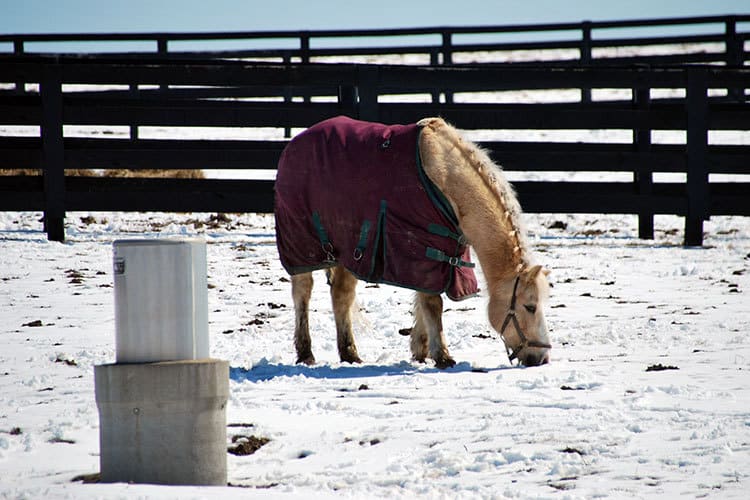
Appropriate hydration is vital to your horse’s normal bodily functions. Here’s what you can do to ensure he is drinking enough this winter.

Horses are very adaptable and typically can handle significant temperature changes; however, when we alter their natural condition, they might struggle.

Is your hay more than 6 months old? Then it might be losing vitamin A and E.

Black cherry leaves are blowing into a horse pasture, and the owner is worried they will put her horses’ health at risk.

Addressing your OTTB’s diet in three phases will help you provide the nutrition he needs to thrive in his new career.

An equine nutritionist explains why you should consult your veterinarian and test hay quality if your mule (or horse) has a hay belly.

A forage-only diet can meet most horses’ nutritional needs.

One equine nutritionist explains why mineral blocks might not be ideal for mules, and what can replace them.