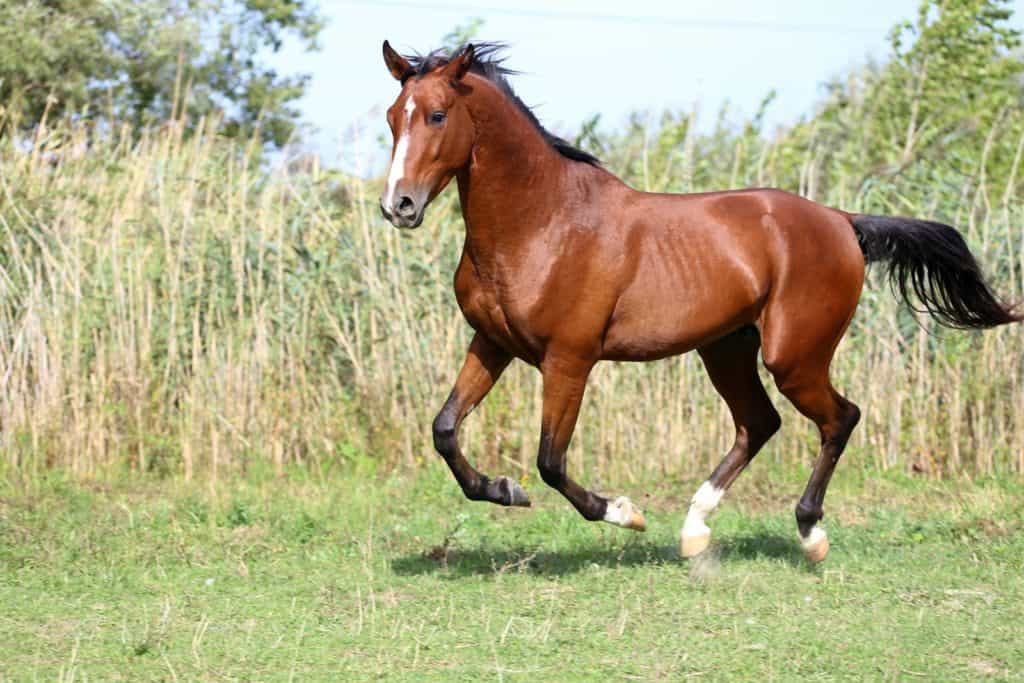
Senior Feeds: Not Just for Old Horses
Don’t balk at the S-word on the feed label. It might be just what your adult horse needs.

Don’t balk at the S-word on the feed label. It might be just what your adult horse needs.

Alimend, a gastric health supplement made by Vitalize, has helped ease an off-track Thoroughbred gelding’s gastric discomfort and keep it at bay over the past 15 months.
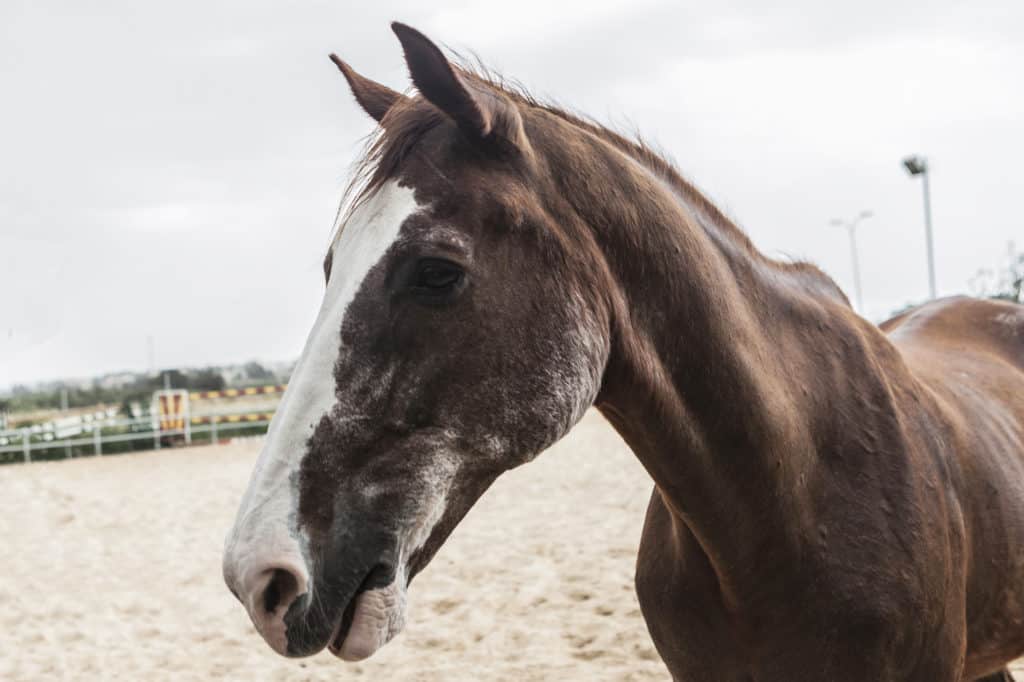
Is your senior horse a picky eater? Be sure he has regular veterinary dental examinations and consider changing his forage or concentrate feed.

One equine nutritionist offers dietary advice that might help reduce inflammation and guard against gastric ulcers during NSAID treatment for uveitis.

Supporting your new foal’s gut microbiome from Day 1 can have a lasting impact on his lifelong health and immunity.

Learn about 10 common plants, chemicals, organisms, and toxins your horse should never eat.

One expert explains whether horses that maintain body condition well on forage alone get enough protein from only eating hay.

An equine nutritionist offers advice about soaking beet pulp and ensuring it’s safe for horses to eat.

Researchers suggest high-protein diets might be harmful for horses with ID.
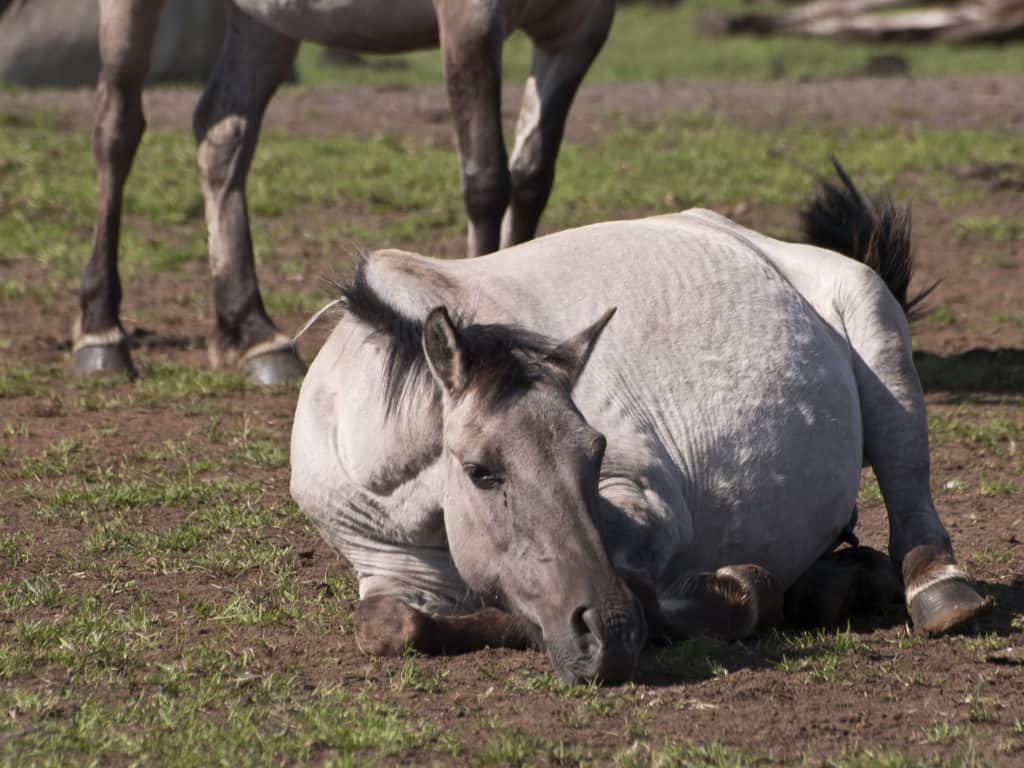

Before adding fat to your horse’s diet to improve his coat, be sure he’s on a balanced diet and that you’re grooming him regularly.
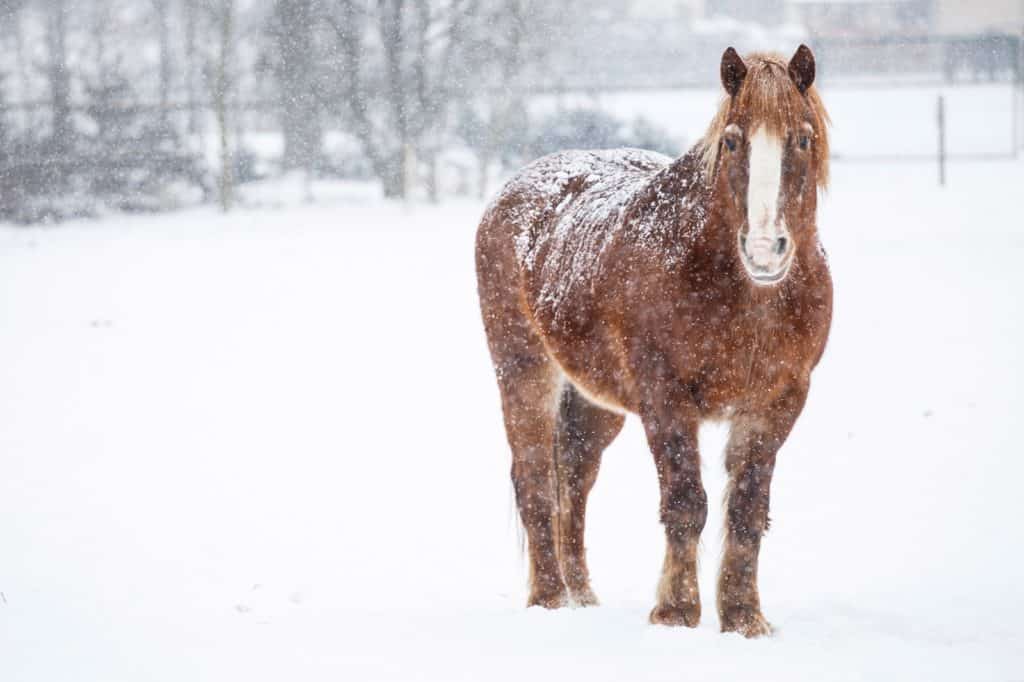
Cold weather affects older horses more than it does their younger companions. Learn how to keep your senior comfortable and healthy during cold weather.

Decipher fact vs. fiction when it comes to the complicated world of feeding horses.

Follow these 3 steps to feed your horses efficiently and potentially help reduce your feed bill.

Water is an essential nutrient for horses. Find out why it’s important to keep your horses’ water sources clean and explore common challenges horse owners face.

Find out how to design an affordable feeding program while still meeting your horse’s nutritional requirements.