How To Feed Your Horse
Learn about feeding basics, from hydration and forage to feeds and supplements, so you can make the best nutritional choices for your horse.

Learn about feeding basics, from hydration and forage to feeds and supplements, so you can make the best nutritional choices for your horse.

Horses with PSSM1 might benefit from magnesium supplementation, but it is important to use the right form and reevaluate its effects on your horse periodically.
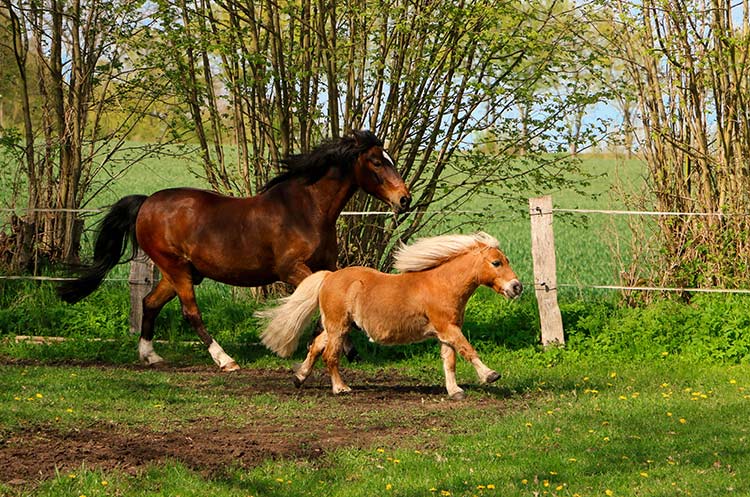
Is your feed room overflowing? Get advice on streamlining equine diets when you’re feeding horses with a variety of nutritional needs.

Learn how to design a diet for horses suffering or recovering from equine odontoclastic tooth resorption and hypercementosis (EOTRH).

One equine nutritionist explains how you can make sure your PPID horse’s hay is safe for him to eat.

Understanding how your growing foal’s digestive system works can help you recognize and avoid potential problems.

With much research surrounding how to feed “abnormal” horses, how can we feed “normal” horses to avoid disease? One expert weighs in.

One equine nutritionist explains how to ensure your horse’s diet does not contain dangerous levels of sugar.

Knowing the causes of colic in horses, treatment options, and why referral might be necessary can give your horse a better outcome in a colic emergency.

When choosing a probiotic for your horse, read the label carefully to ensure it addresses these concerns.

An equine nutritionist explains what changes you can make to your horse’s diet to help him better cope with stress.

When managing laminitic horses, making dietary changes is often necessary for the success of other treatment efforts.

Madeline Boast explains why you might need to provide supplements for horses on a forage-only diet to maintain a healthy equine gut microbiome.

Certain groups of horses can benefit from eating soaked alfalfa pellets, which are the finely chopped and compressed form of the nutrient-dense legume.
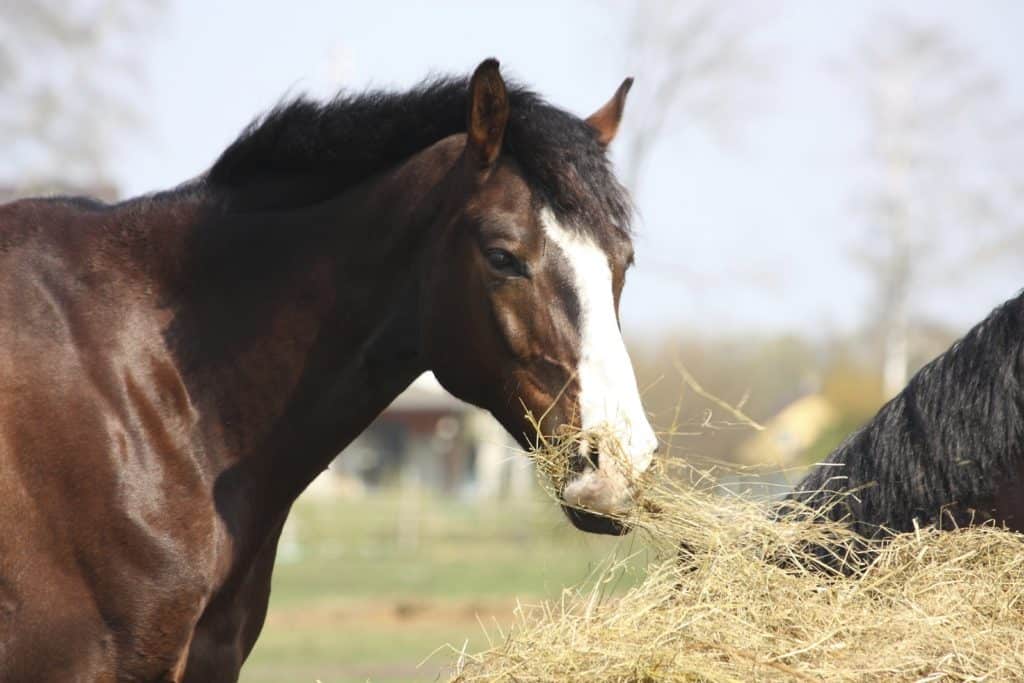
Our equine nutrition expert offers a reader advice on how to feed a thin horse with a history of laminitis without causing another bout of the disease.

Does your horse need a salt block? Should you top-dress their feed? An equine nutritionist weighs in.