FEI, EEF Agree to Endurance Measures for 2016 Season
The 12 approved measures will be applied for the rest of the United Arab Emirates’ endurance season.

The 12 approved measures will be applied for the rest of the United Arab Emirates’ endurance season.
Participants learned how to detect, identify, and analyze anabolic steroids and other substances using hair samples.

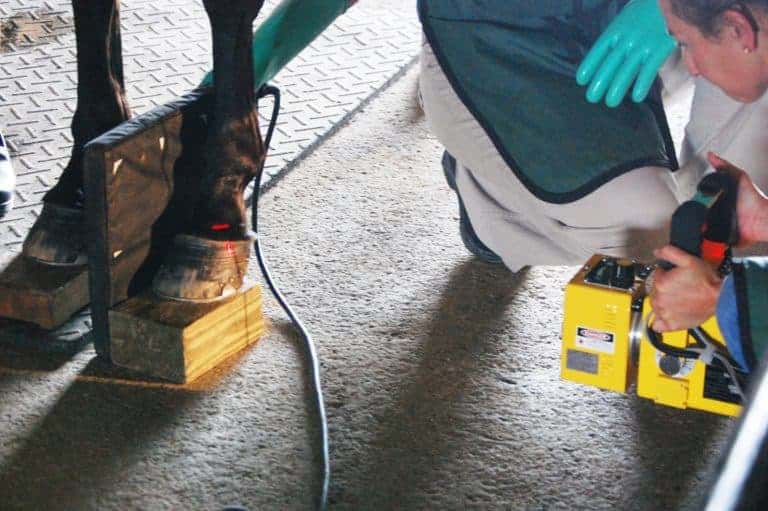
Ultrasound and x ray exams can help identify horses potentially at-risk for injury so they can be managed appropriately.
The TAA provides grants to 56 accredited Thoroughbred aftercare organizations across the United States and Canada.
The meeting is designed to attempt to find workable solutions to the problems the racing industry faces.

Though the overall prognosis isn’t great, some foals with incomplete ossification can race if managed properly.

Thoroughbred jump racing remains in the spotlight of welfare debates despite safety improvements in recent years.

While environmental factors, such as nutrition and training, shape sustainability, genetics influence it, as well.
Anna Ford is the program director of New Vocations Racehorse Adoption Program.

A new report revealed a 9% decrease in offences in 2015 compared to 2014.

A new rule at Laurel Park requires trainers to report joint injections administered to claimed horses before the race.
Applications are due by April 15, and organizations must meet certain requirements to be eligible for accreditation.

Equine Veterinarians Australia takes a look at what goes on behind the scenes with racehorse practitioners.
The ultimate goal with frangible technology is to reduce the incidence of potentially fatal injuries to horse and rider.

Flick was one of the first Thoroughbred racehorses to undergo successful stem cell and bone marrow treatments.
The stallions’ connections pledged to donate 25% or more of the advertised stud fee for each horse to the TAA.