IFAR Attendees Look for Racehorse Aftercare Solutions
Advocates shared options to support OTTBs. Speakers included U.S Team rider Boyd Martin and RRP founder Stuart Pittman.

Advocates shared options to support OTTBs. Speakers included U.S Team rider Boyd Martin and RRP founder Stuart Pittman.

A veterinarian with a focus on racehorses shares thoughts on how to reduce the number of catastrophic injuries.
Among other points, the new bill would prohibit the use of any substance within 24 hours of a race.
The conference concluded with presentations by individuals from inside and outside the Thoroughbred industry.

The lightly raced colt edged 2-1 second betting choice Classic Empire by a head in the race’s last strides.

Advocates emphasized owner responsibility and humane treatment and shared insights on racehorse retirement programs.

Royal Mo fractured a sesamoid bone and was transported to PennVet’s New Bolton Center for treatment on Sunday.
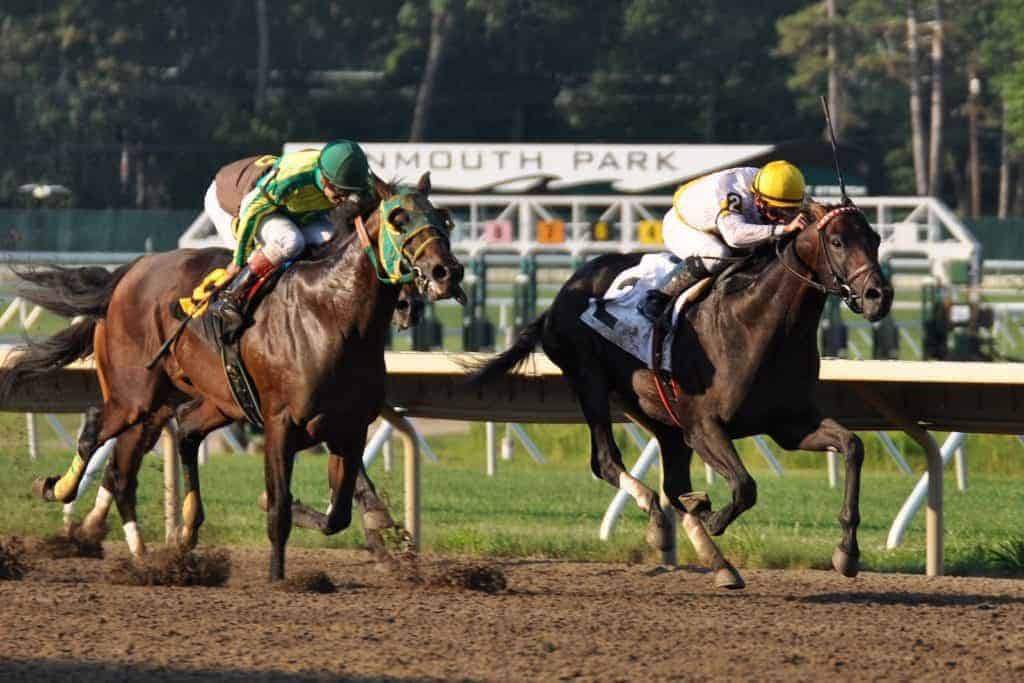
Monmouth Park first received accreditation shortly after the alliance’s inception in 2009.
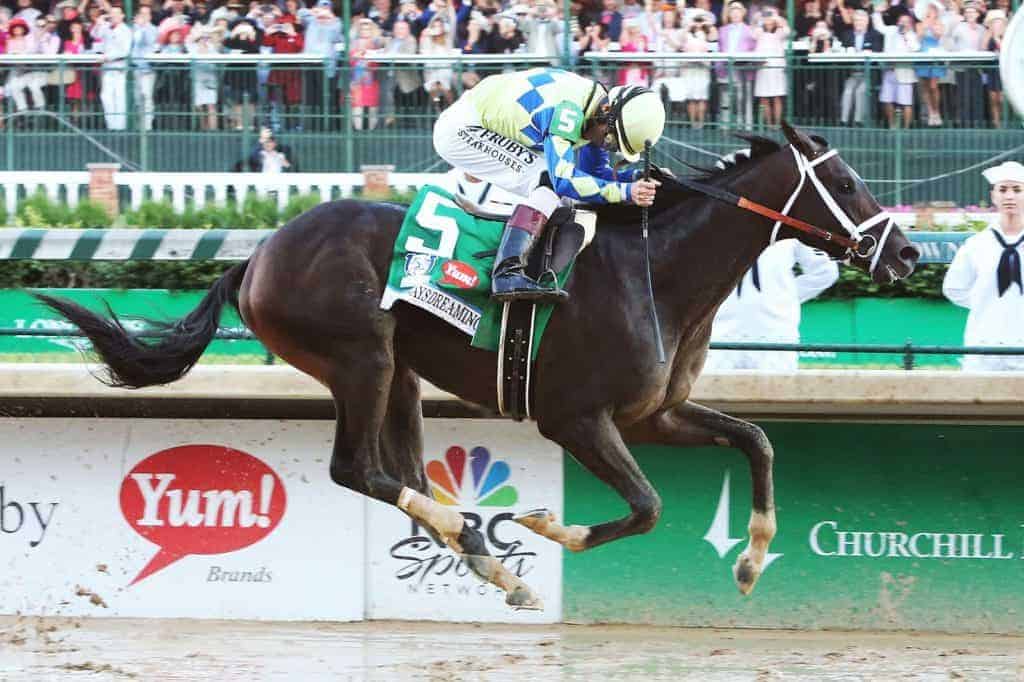
Trained by Todd Pletcher and ridden by John Velazquez, the colt covered the 1 1/4 miles on a wet-fast track in 2:03.59.
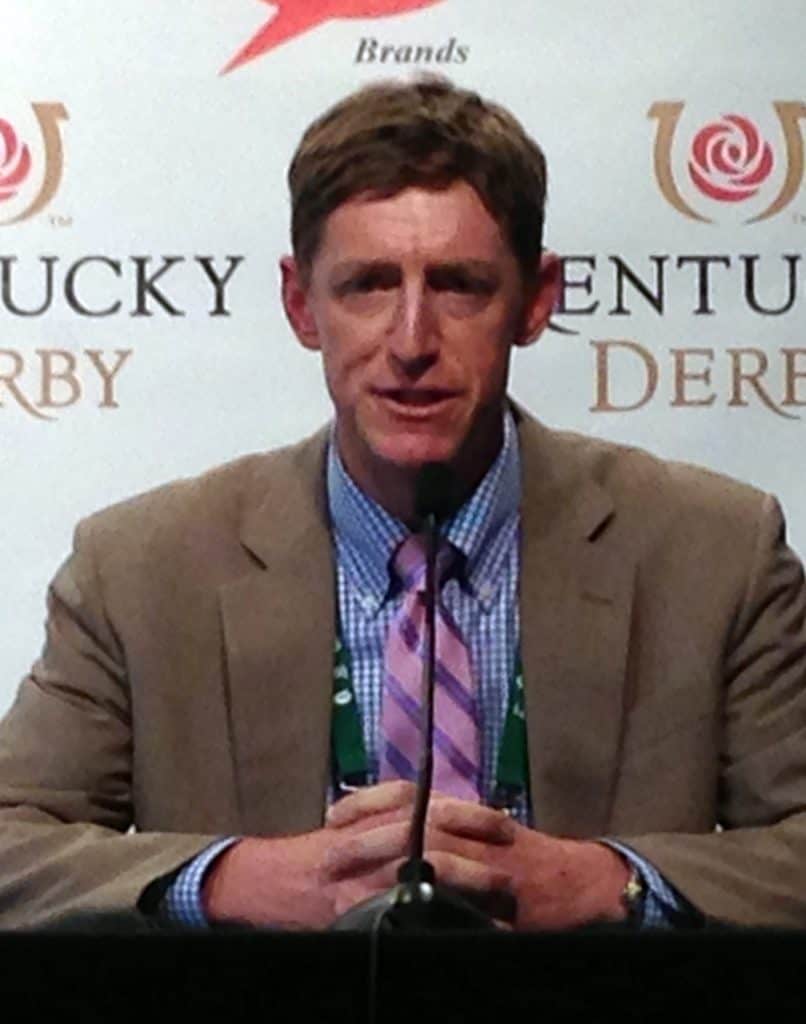
Dr. Keith Latson will provide timely health reports to the media regarding the athletes in the Kentucky Oaks and Derby.

Wednesday’s discussion topics included maintaining integrity and crop use during races, among others.

A panel believes keys include additional out-of-competition testing, investigators, and research.
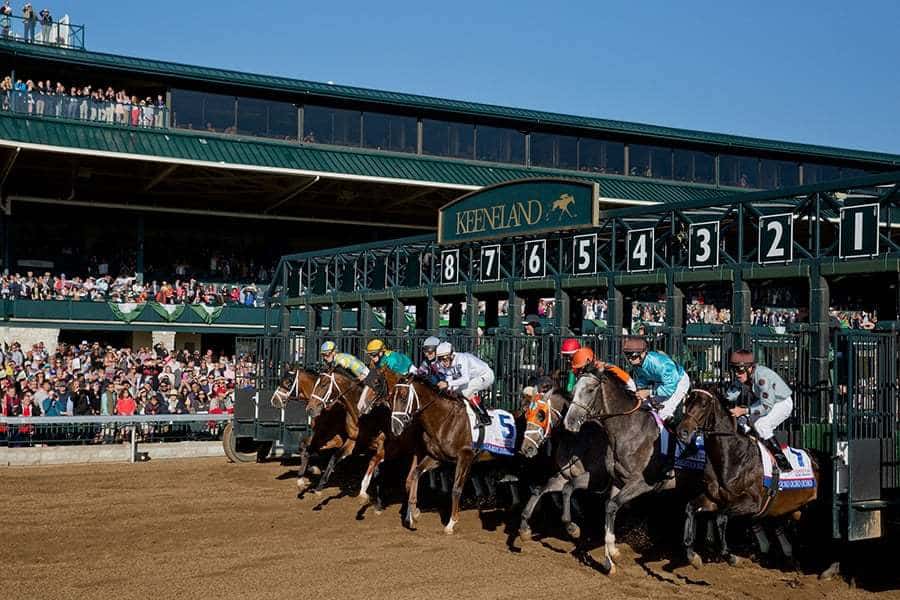
Measures cover arrival times, veterinary treatments and records, out-of-competition drug testing, and more.
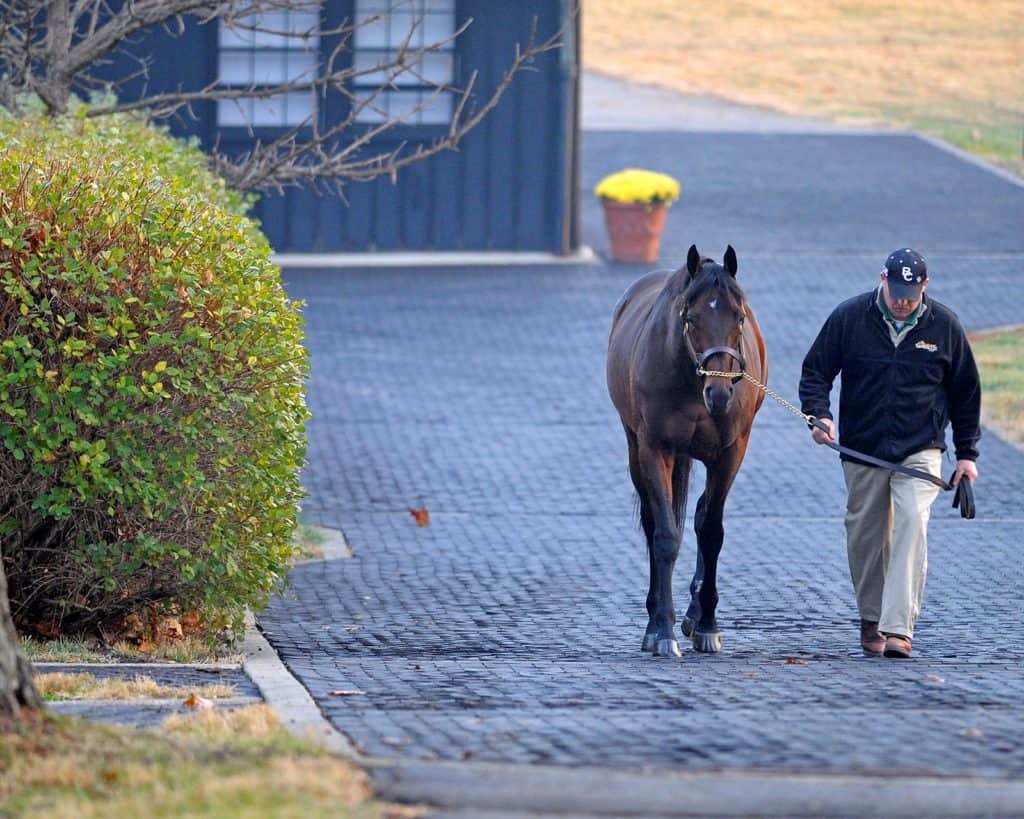
Congressman Andy Barr introduced three pieces of legislation aimed at benefiting the breeding and racing industries.
The International Forum for the Aftercare of Racehorses will hold its first conference May 17-18, in Washington, D.C.

Preliminary results suggest risk factors include fewer high-speed workouts and a drop in racing class, among others.