ARCI Seeking Respondents for Online Survey
The ARCI is seeking input on what industry members identify as problems in horse racing and how to address them.

The ARCI is seeking input on what industry members identify as problems in horse racing and how to address them.
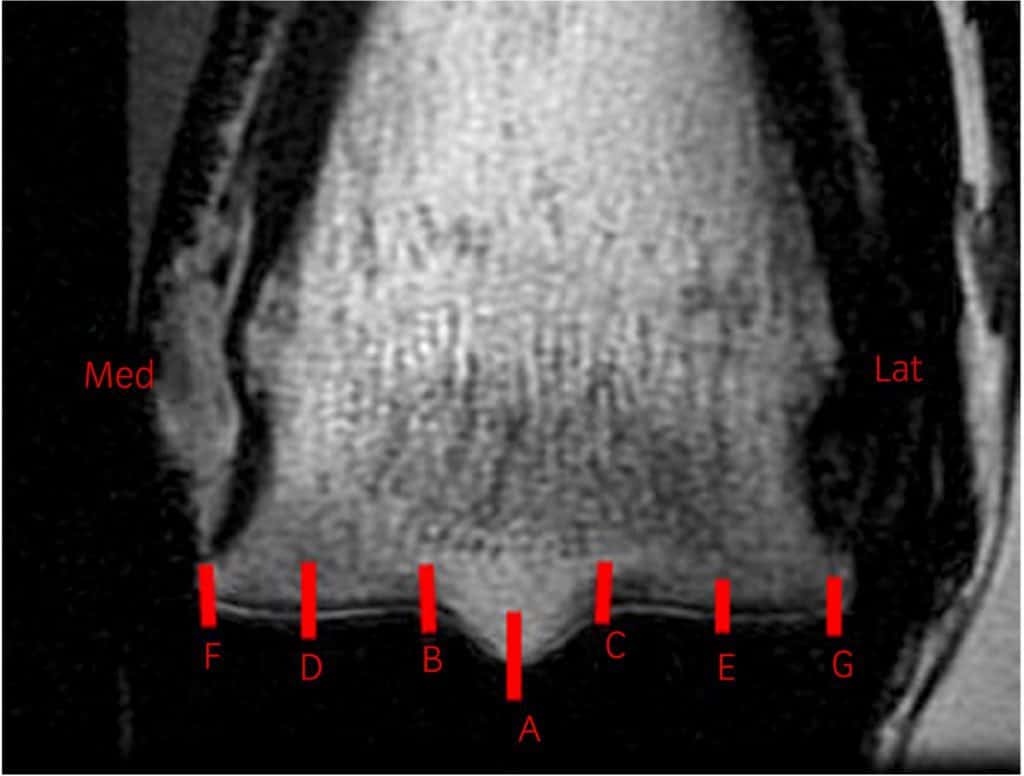
Drs. Tim Parkin and Sarah Plevin describe studies focused on predicting injury before it occurs.

Bone turnover in horses rested after intense training was better than in those in consistent intense work.

The state’s two Thoroughbred tracks must submit applications for Safety and Integrity Alliance accreditation by Nov. 4.
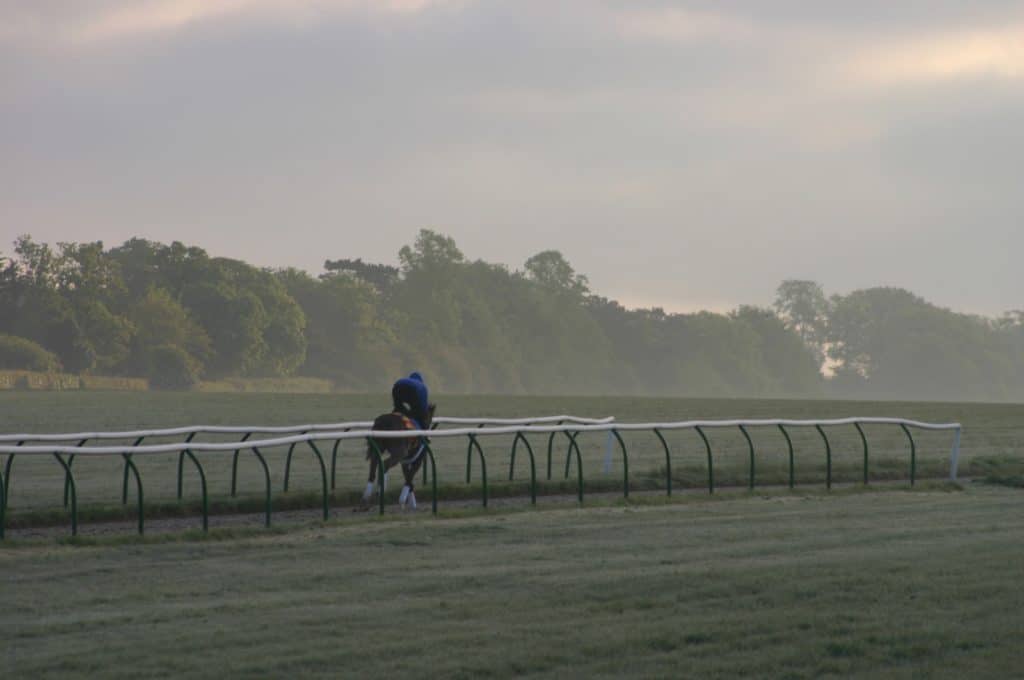
Findings from a recent study show that 70% of injuries recorded over a 14-year period were minor and not career-ending.
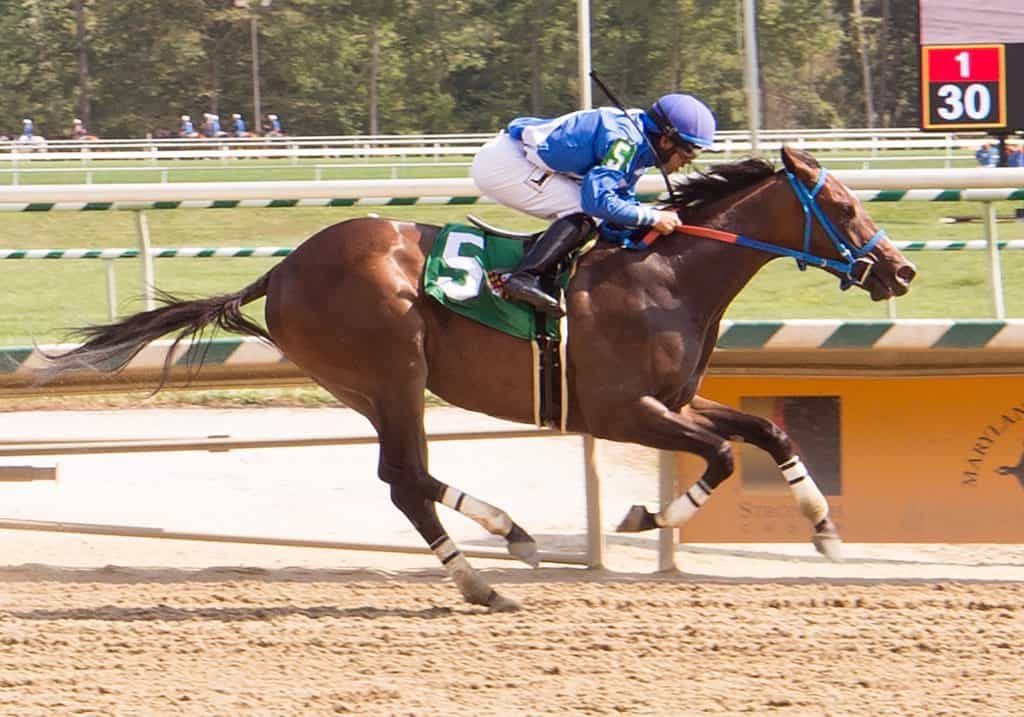
Learn about the university’s Thoroughbred breeding program, a winning one-eyed gelding, and more.
The fall rate since the trials began has reduced to 1.59%, a reduction of 0.5% compared to the 10-year average.
Researchers believe they’re honing in on why these horses are more likely to finish races than those in other countries.
The NYDTL is the eighth laboratory to become accredited by the RMTC since 2013.

Only enlarged proximal sesamoid bones were identified as being a risk for delaying a 2-year-old’s first start.

The degree of hypertension some study horses developed could possibly result in serious complications, scientists found.

The roundtables will take place Oct. 27-28 at the Kentucky Horse Park during the Thoroughbred Makeover.
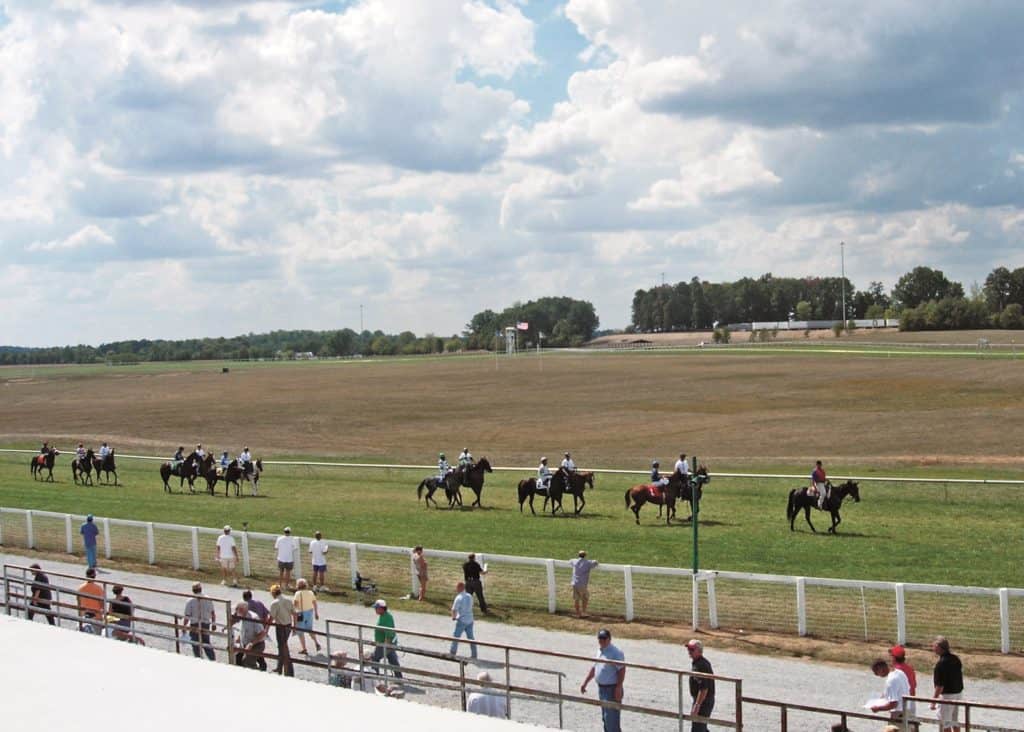
Funds from race sponsorships will support Grayson-Jockey Club Research Foundation equine research.

Cui’s research focused on understanding more about the pricing of Thoroughbreds at public sales.

Researchers hope to reduce the risk of racehorse fatalities on the track.
The public meeting is part of the commission’s efforts to drive attention and resources to racehorse retirement.