Do Radiographic Abnormalities Impact Equine Performance?
Radiographic abnormalities don’t always result in diminished performance; however, many do. Here’s what to know.

Radiographic abnormalities don’t always result in diminished performance; however, many do. Here’s what to know.

The horse’s lower limb is subject to a multitude of injuries that can baffle even the most veteran veterinarians.
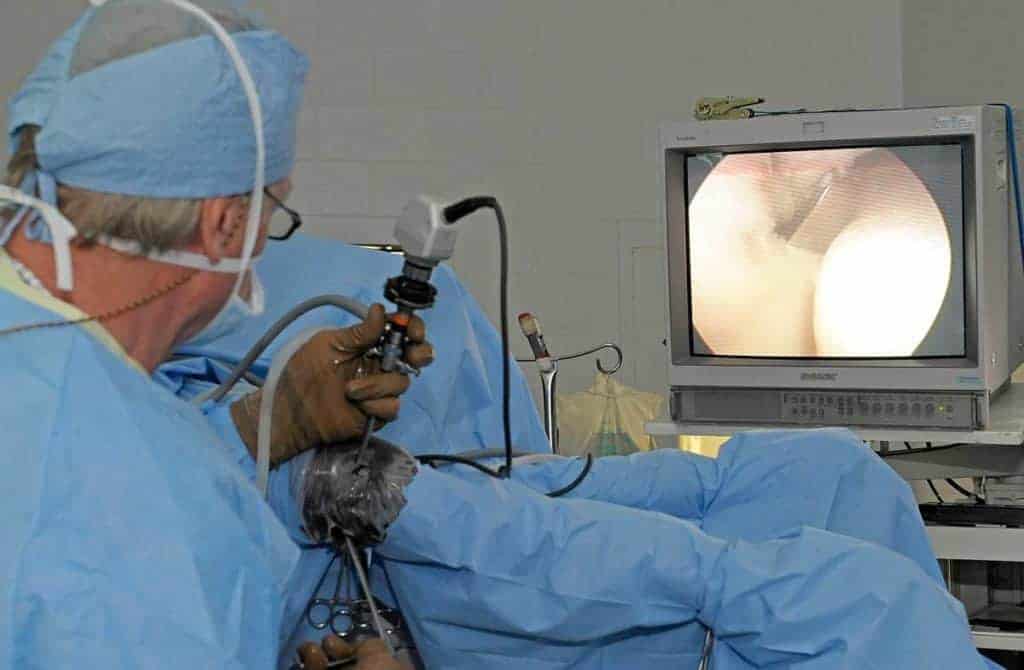
Bone chips can be a proper pain in the joint; learn where and why they happen and when they need to be removed.
Researchers found that functional electrical stimulation improved the density and distribution of muscle mitochondria.

From monitoring his body condition to keeping his joints moving, here’s how to get your old horse ready for winter.

Learn about using joint injections to help treat common causes of lameness and reduced performance.
How long will a horse with osteoarthritis remain sound after successful IRAP treatment?

Here’s how to get your performance horse back to the show ring safely and successfully after layup.

Nikki Scherrer, DVM, will cover horse health issues related to shows, such as medications, emergencies, and regulations.
The two veterinarians and one clinical technician are developing sports medicine and rehab services at NC State.

Find out how to ensure your senior horses stay healthy all through their golden years.

Horses could be more sustainable athletes if riders condition them better and monitor their health and fitness often.

A low dose of the sedative xylazine did not affect horses movement patterns, but higher doses could have more impact.
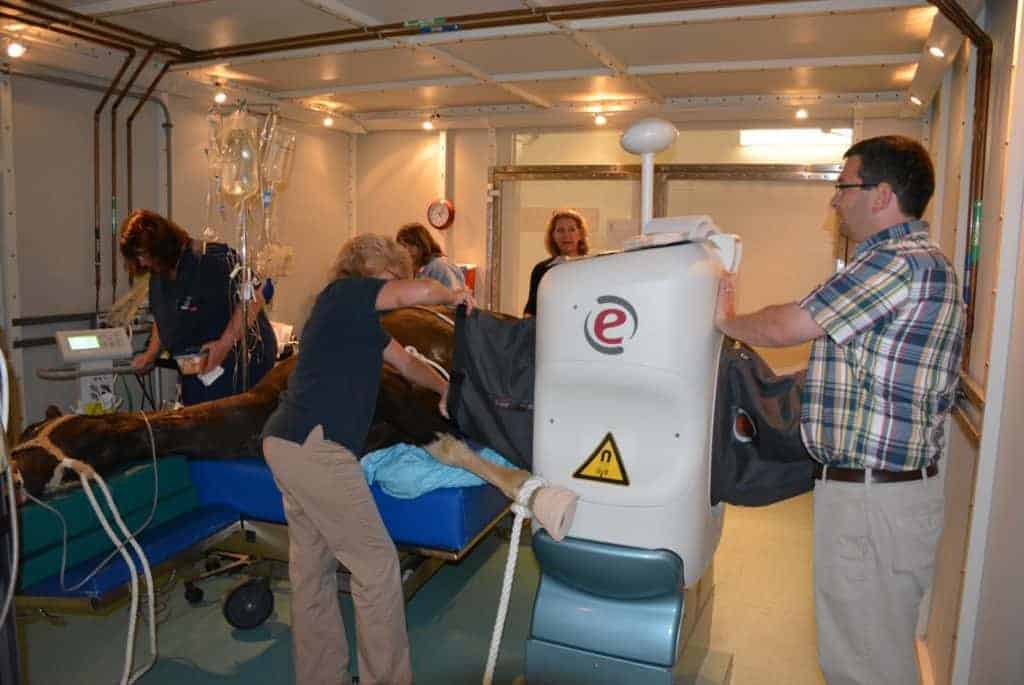
The new MRI replaces a previous system at New Bolton Center, installed in 2005 and used until recently.

Finite-element modeling is providing a more in-depth look at equine joint health under varying loading conditions.
The MRI unit adds to the school’s imaging modalities, including a CT, radiography, nuclear scintigraphy, and more.