University of Tennessee to Host Conference for Horse Owners
Lecture topics include nutrition, PPID, parasitology, back pain, toxic plants, natural foot care, and dentistry.

Lecture topics include nutrition, PPID, parasitology, back pain, toxic plants, natural foot care, and dentistry.

After a year of trial and error, I finally found a slow hay feeder solution for my horses. Maybe it’ll work for yours!

The majority of respondents said they were somewhat or very confident in their horse’s nutrition program.

You might be surprised to find out with this introduction to GMOs.
Speakers will discuss different aspects of feeding high-performance horses March 24 in Hunt Valley, Maryland.

Of the 457 poll respondents, 139 (30%) said they go to their equine veterinarian first for nutritional information.

Here’s how to help your horse make the switch from pasture to hay as easy and healthy as possible.

Here’s what you need to know about this important forage in your horse’s diet.
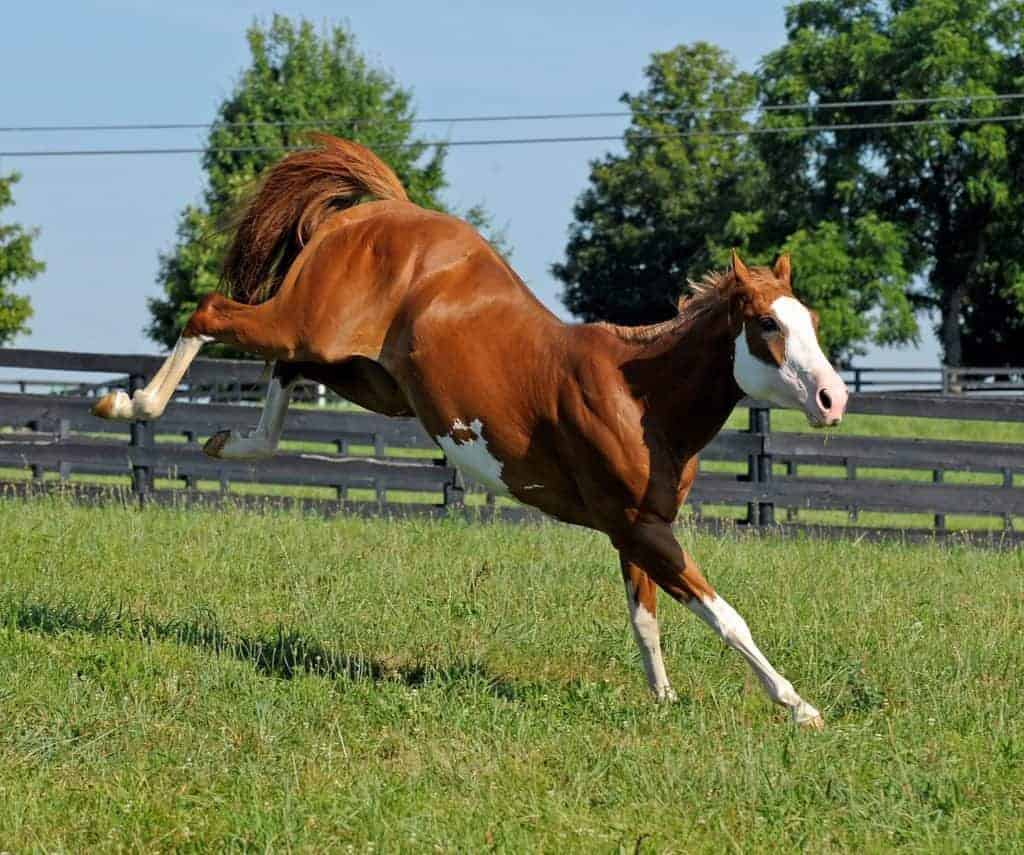
Can consuming a high-sugar diet cause a horse to behave in an anxious or hyperactive way?

Feeding a balanced diet and ensuring nutrient replacement after exercise are imperative to keep horses performing well.

Of the 1,278 respondents, 638 people (50%) said their horse receives 1 to 3 pounds of grain or concentrate feed daily.

Rising feed prices and drought conditions have led to a growing interest in using fodder systems to feed horses.

Dull coat? Cinchy? Thin? Your horse might be one of the 50-90% suffering from gastric ulcers. Get your gastric ulcer questions answered during our live Q&A event.

A correct diet can make these sometimes-debilitating conditions manageable.
A filly goes to the trainer and ends up sick and with ulcers. Will they return when she goes back into training?

Here’s how to feed your hard keeper once temperatures start rising.