Choosing the Right Supplement for Your Horse
Two veterinarians answer your equine supplement questions in this Ask TheHorse Live podcast. Sponsored by SmartEquine.

Two veterinarians answer your equine supplement questions in this Ask TheHorse Live podcast. Sponsored by SmartEquine.

Here’s how to choose a high-quality ration balancer for your mule that provides essential nutrients without supplying additional calories.

Veterinarians and a nutritionist outline how forage, concentrates, and supplements fuel performance horses and how to adjust diets for each horse’s job and temperament.
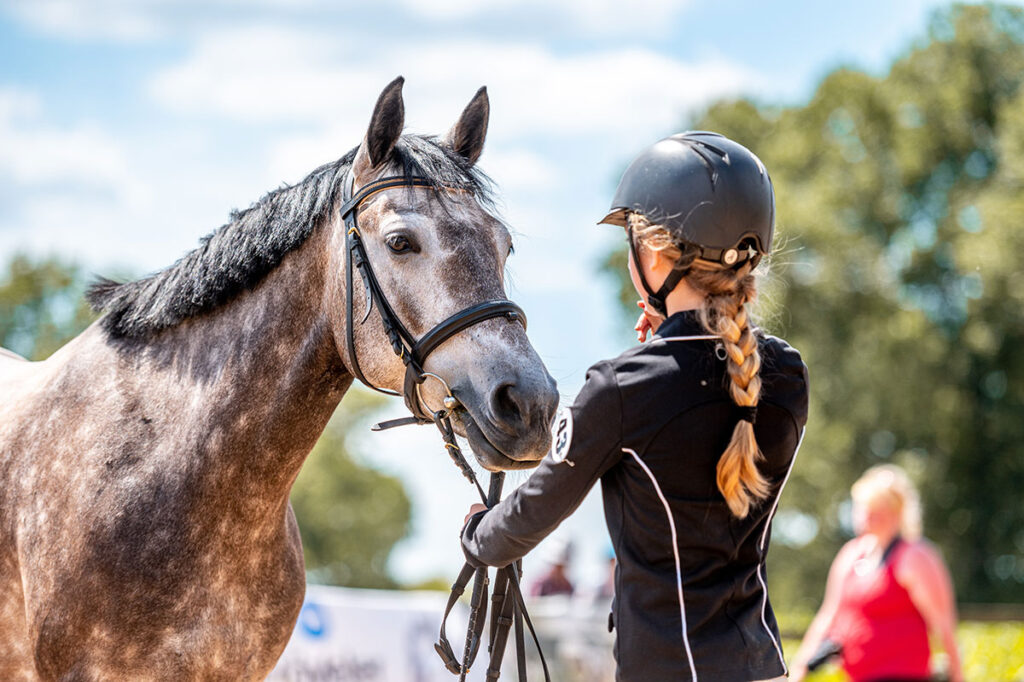
An equine nutritionist offers advice for feeding horses on competition days to support energy, digestion, and performance.

An equine nutritionist explains how to balance a performance horse’s diet to improve his energy levels and help him build muscle.

Common advice tells us not to feed horses before exercise. But this outdated belief might be hurting your horse.

An equine nutritionist answers common questions about beet pulp, which has long been a mainstay in many feed rooms for horses.

What types of feeds improve a horse’s energy levels? Why might a sluggish horse need additional electrolytes? An equine nutritionist explains.

One’s designed to be the horse’s whole diet, while the other is meant to complement his forage ration. Which is best for your horse?
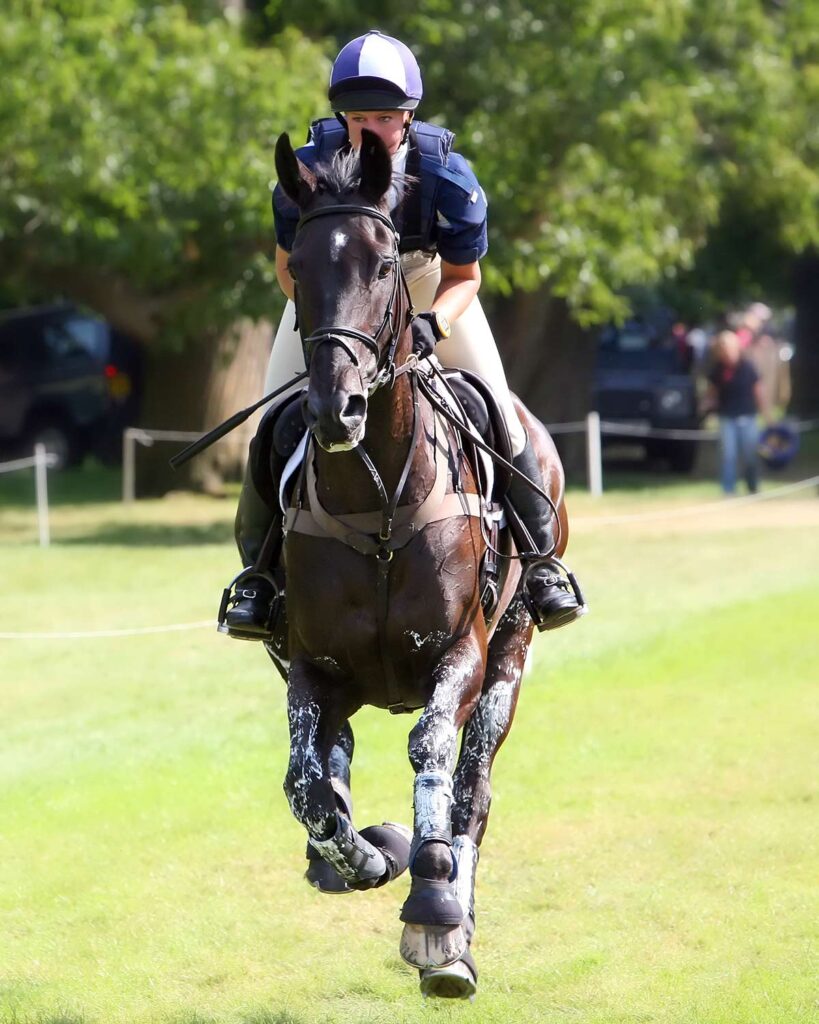
High-quality protein digested in the small intestine helps supply essential amino acids needed for muscle repair, recovery, and performance in horses.
Discover which horses can benefit from higher carbohydrate levels in their diets and the feeds that can supply them.
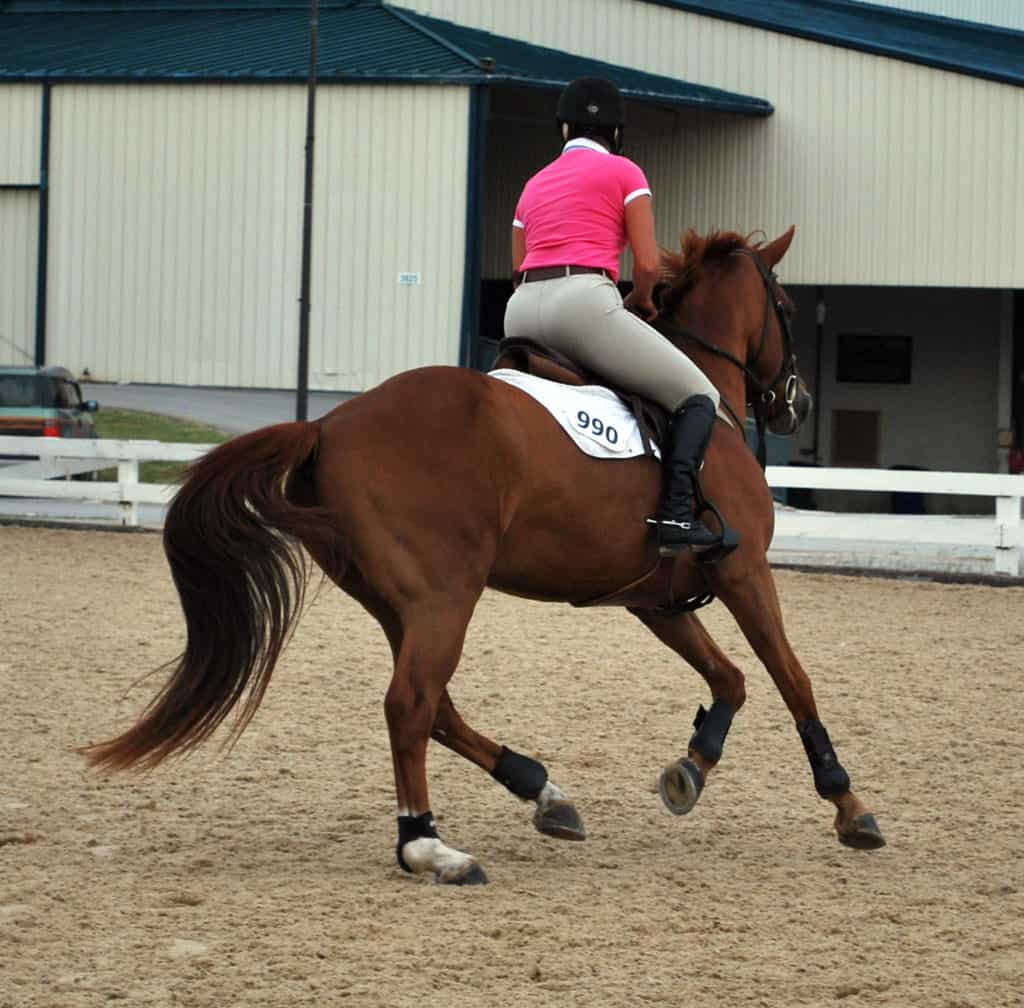
An equine nutritionist explains how starch affects horse gut health and can influence equine behavior.
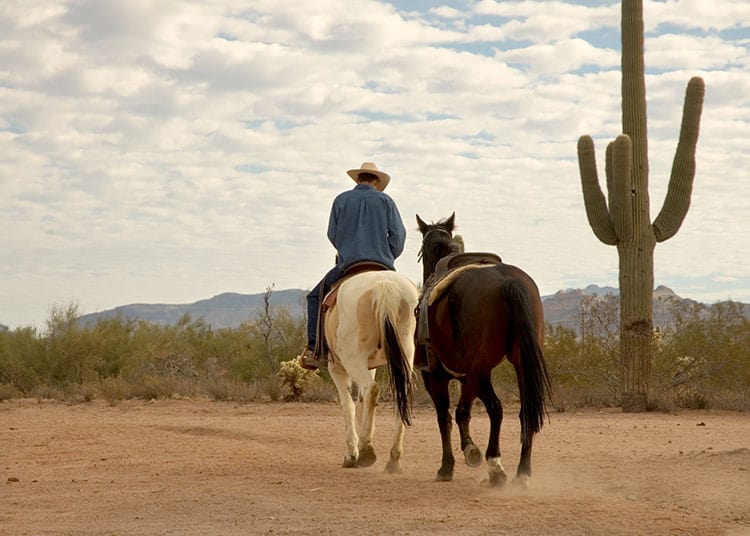
Don’t forget horses need calories to keep cool in the heat.

An equine nutritionist describes the role of magnesium in a horse’s diet and why performance horses might benefit from supplementation.

Scientists believe feeding horses a high-protein meal shortly after exercise could improve muscle health and growth; however, more research is needed.

Evaluate how supplements can fit into a complete equine management program.