
A Look Inside Your Horse’s Compounded Medications
Horse owners and veterinarians should ensure horses are receiving safe and effective compounded treatments.

Horse owners and veterinarians should ensure horses are receiving safe and effective compounded treatments.

Alternative medicine coursework in equine veterinary education has increased about 30% in the past decade.
Up to 300 scholarships of $2,500 each will be awarded to assist students in all areas of veterinary medicine.

Researchers discuss the first case in which surgery to permanently prevent a renosplenic entrapment failed.

Learn about the basics of equine genetics and the different applications they have in equine performance.
Gluck Center researchers have synthesized a certified reference standard for ITPP testing at UPenn’s request.
The 23 mares that make up the Rutgers University research herd are now available for sponsorship.
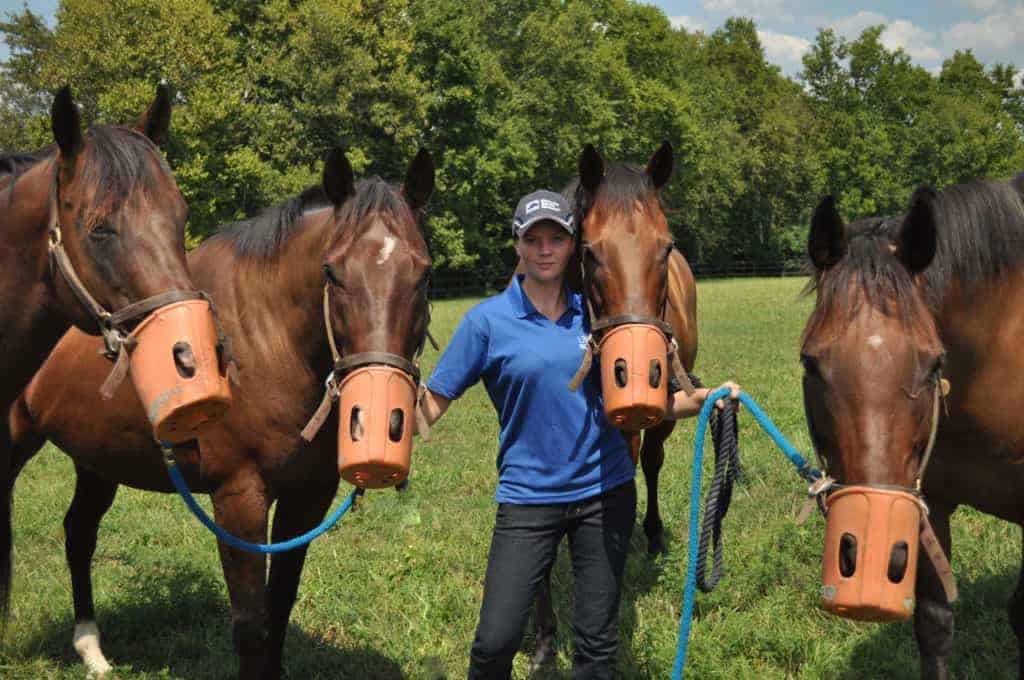
Catherine Whitehouse, BSc (Hons) is persuing her master’s in Animal Science (emphasis in Equine Nutrition).

Kristine Urschel, PhD, discussed factors that regulate equine muscle protein accretion and relevant research.
The American Association of Equine Practitioners Convention will take place Nov. 18-22 in San Antonio, Texas.
The Equine Anesthesia Continuing Education Weekend is scheduled for Oct. 8-9 at the Equine Medical Center.
Members of WEVA gathered in Bangkok, Thailand, May 9-11 for the organization’s 2011 intermediate meeting.

Electrochemotherapy yielded a high nonrecurrence rate of 99.5% for individual sarcoids in the current study.

Researchers determined a CSF tap can be performed on the horse’s upper neck using ultrasound guidance.
As we step back from our machines and relearn the art of looking at the equine patient as a whole we might realize that some of the most complicated problems have rather simple solutions.
The CHDA announces the co-sponsorship of a study investigating fertility vaccines for use on wild horses.






