Could Overweight Equids Benefit From Teff Hay?
Horses voluntarily reduced their hay intake (and, thus, calorie consumption) when offered teff compared to ryegrass.

Horses voluntarily reduced their hay intake (and, thus, calorie consumption) when offered teff compared to ryegrass.

Mouth-gaping caused by bit pain could make it difficult for horses to breathe, researchers say.

Dr. Jim Schumacher shares strategies for assessing and treating equine head injuries.

Objective measurements can lead to more targeted therapy and provide a basis for comparison as the horse improves.

Veterinarians and researchers are on an ongoing mission to reduce the number of racehorse injuries and deaths during racing and training.

One veterinarian describes how she handles these dangerous bites in horses.

Alfalfa products with smaller particle sizes appear to be more effective in helping limit gastric lesion formation.

A recently developed scoring system can help veterinarians make treatment recommendations, researchers say.
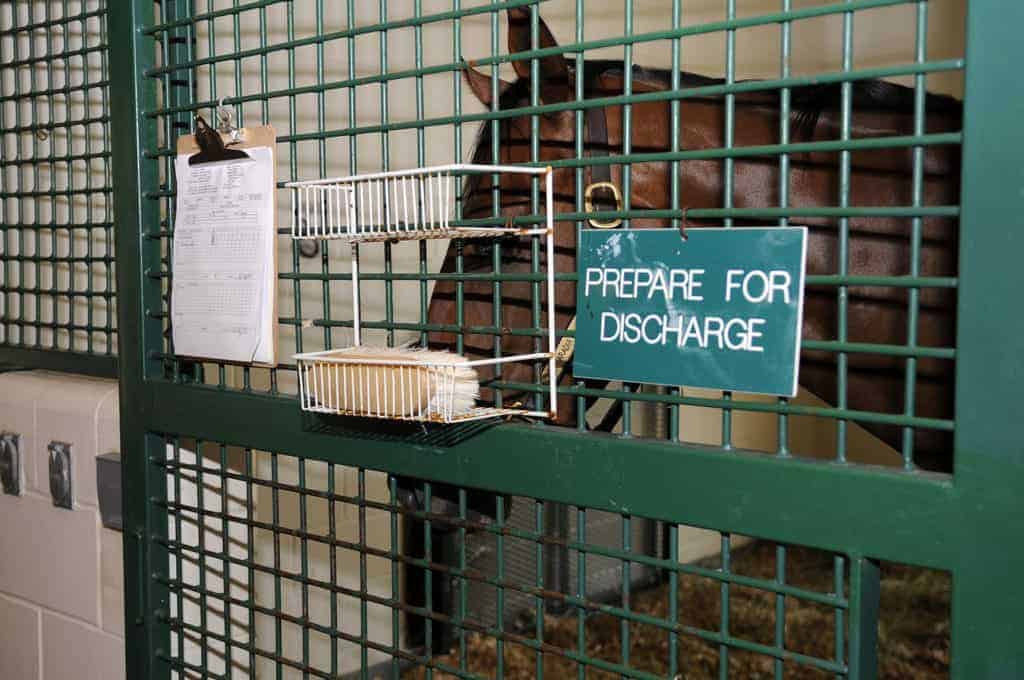
A thoracotomy improved affected horses’ survival rates while dehydration increased the odds of death.

Foals’ size and fragility present veterinarians with unique diagnostic and treatment challenges in the face of colic.

Researchers are discovering how the vast and varied microbes in the horse’s gastrointestinal tract impact equine health.

A vet reviews the different lesions practitioners might encounter during a colic and whether they warrant referral.

The collaborative work of the owner, farrier, and veterinarian can dictate a horse’s soundness and overall health.

Researchers identified risk factors including hay type, water source, breed, and pasture access.

A specific strain of S. zooepidemicus was likely behind the horses’ coughing and nasal discharge.

Dr. Josie Traub-Dargatz shares lessons learned from equine disease outbreaks and tactics for avoiding infection spread.