Scientists Compare Insulin Resistance Test Options
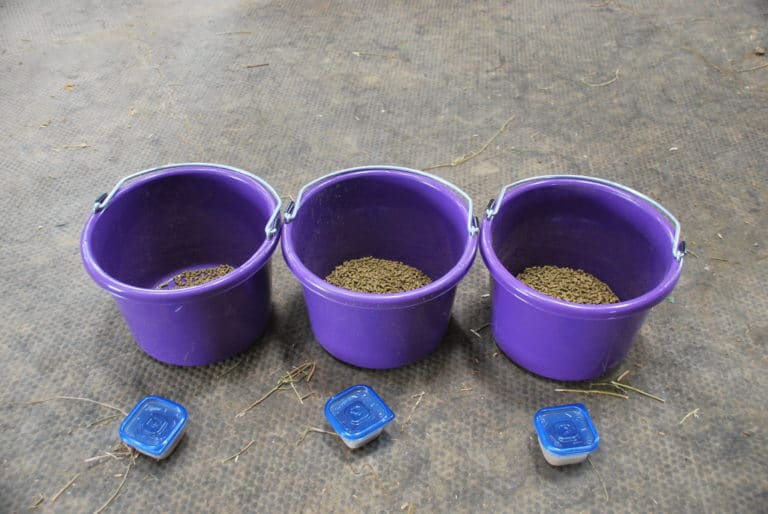
Researchers ran four tests on the same group of horses to compare results and determine sensitivity and specificity.

Researchers ran four tests on the same group of horses to compare results and determine sensitivity and specificity.

Risk factors for equine nosebleeds appear to include age at first start, running on firm ground, and more.

Find out how to ensure your senior horses stay healthy all through their golden years.
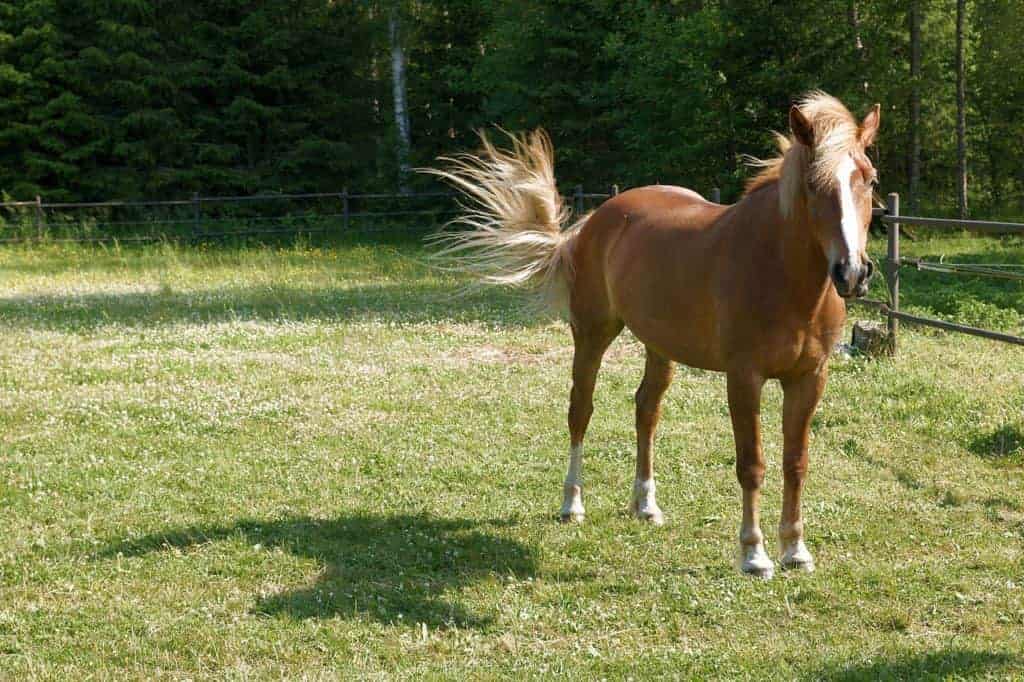
Changes in Finnhorse mares’ body weight and condition and in gene expression did not appear to evoke insulin resistance.

Scientists examined the effects of Salmonella shedding on previously hospitalized horses and their stablemates.
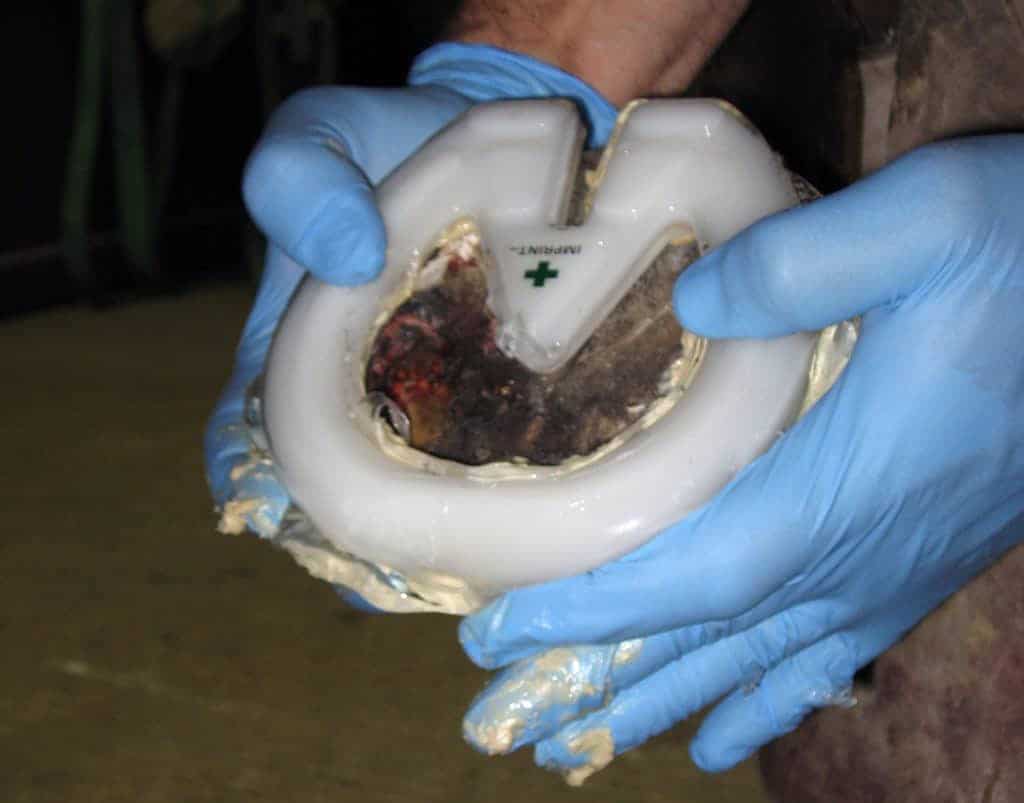
Learn about common foot pathologies and corrective-shoeing options, from bar shoes to wooden clogs.

Addressing the anatomy, conformation, and biomechanical principles of the equine foot.

Still, the researchers found that spontaneous recovery is possible following trichothecene intoxication in horses.
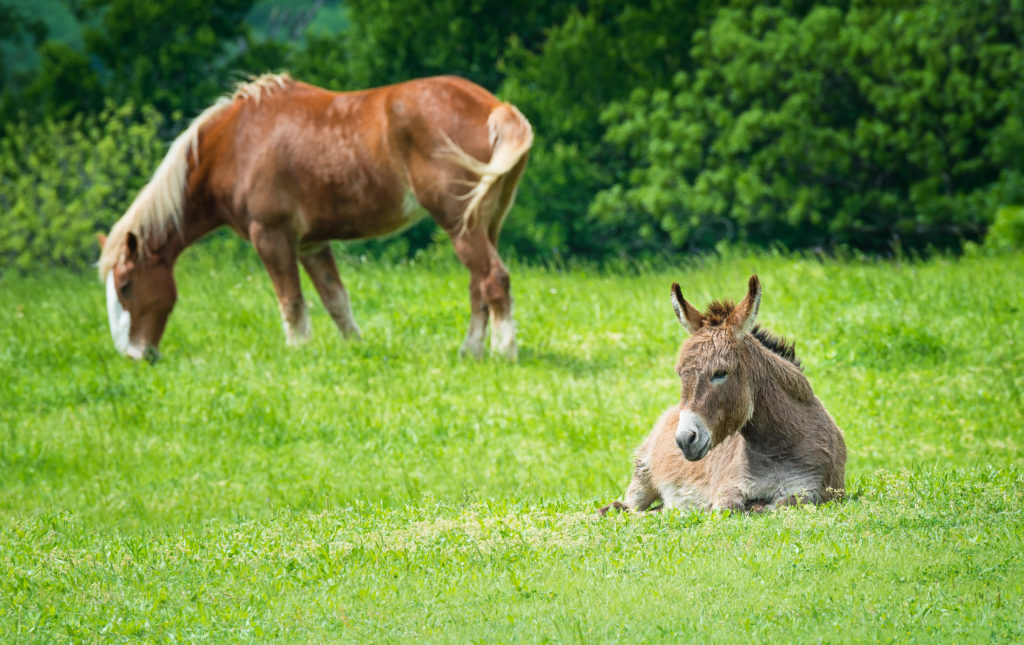
Researchers found no evidence that donkeys pose more of a disease threat than horses at mixed-equine events.

Researchers learned that the total bacterial load was higher in horses with heaves than in healthy horses, and more.

Owner-managed weight loss in horses with EMS reduced both insulin resistance and susceptibility to laminitis.

Researchers found that 69% and 54% of polo ponies examined had glandular and squamous ulcers, respectively.

Key economic indicators declined significantly from 2008 to 2010 but rebounded in 2011 and 2012, a recent study shows.

Horses are capable of a wide range of facial expressions that aren’t so different from those of humans and chimpanzees.

While Western saddles had uneven pressure distribution, study horses showed no signs of saddle-related discomfort.

Researchers found that 59.2% of horses aged 11 to 15 had hooks, 30.8% had wave mouth, and 26.7% had periodontal pockets.