Horse Dental Care: More Than Just a ‘Float’
While routine tooth floatings are important, the veterinary oral exam is the most valuable part of dental care.

While routine tooth floatings are important, the veterinary oral exam is the most valuable part of dental care.

This therapy is proving to be an essential part of the horse’s routine health and well-being.

With recent advances in equine dental care, veterinarians have a wide variety of treatment options available to manage equine dental abnormalities.

Regenerative medicine is giving us new options for treating horses with joint disease and other injuries. Learn more and get your questions answered during the live recording of our podcast. Sponsored by Zoetis.
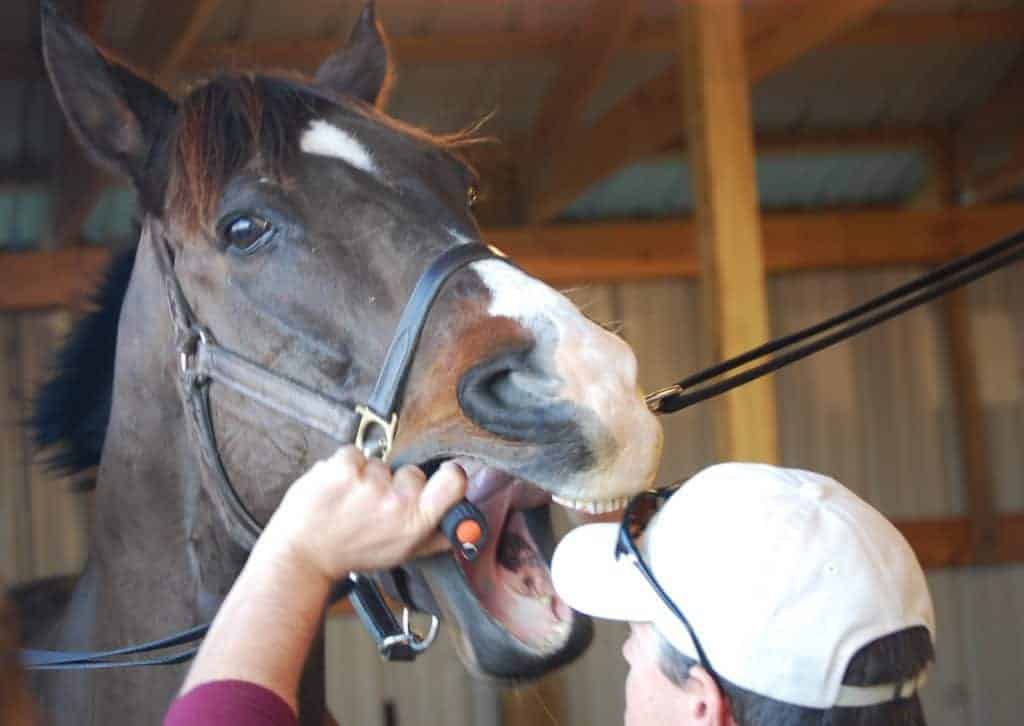
Researchers reviewed dental records from 428 tooth extractions. Here’s what they found.

Deep digital flexor tendon injuries, especially those in the pastern area, rarely act alone.

Some developmental disorders can be dangerous and performance-limiting if not treated promptly and properly.

Find out why you should trust your horse’s oral care to medically trained veterinarians and American Veterinary Dental College diplomates.

A physical therapist and veterinarian discuss potential applications of blood-flow-restriction training, compression therapy, and more in horses.

Abnormal enzyme, protein, and other levels in horses’ blood might indicate an underlying health issue.

Researchers found the choice of steroid used for sacroiliac joint injections predicted outcomes better than whether the horse underwent a preprocedure ultrasound.

Practitioners discuss how checking a horse’s dentition factors into a typical PPE, including steps to take and disclaimers to make.

Though it can be an emotionally charged task, bridging the gap between cost and care is possible.
Though it goes by several names, the condition is common among horses and frustrating for owners, farriers, and veterinarians alike.

Researchers found treating all horses on a farm four or six times a year with moxidectin or ivermectin makes worms develop anthelmintic resistance two to three times faster than other recommended programs.

Telemedicine is growing in popularity among veterinarians and clients, but it doesn’t come without risks.