The Road to Recovery: Rehab for the Horse’s Upper-Body
In the first of this two-part series, we’ll explore full-body rehabilitation options, from the horse’s head to tail.

In the first of this two-part series, we’ll explore full-body rehabilitation options, from the horse’s head to tail.

Are breathing issues slowing your horse down? Here are some surgical and management options that might help.

A well-trained and skilled technician can make a reproduction veterinarian’s job much easier and more enjoyable, especially during breeding season.

To help support its members with the provision of good primary equine dental care, the British Equine Veterinary Association (BEVA) has introduced some new online dental resources.

Get an early look at the American Association of Equine Practitioners’ 64th Annual Convention in San Francisco, California.

A well-educated, trained, and reliable technician is invaluable to ensure things are in order and running smoothly. It makes a veterinarian’s day and the semen collection process much easier.

The veterinary technician is often the primary staff member responsible for overseeing recovery from anesthesia.

There’s not one particular approach for rehabilitating injured joints. Here are a few of the options vets have to use.

Veterinary technicians make important contributions before, during, and after colic surgery. Here’s how they help veterinarians and surgeons during these potentially life-saving procedures.
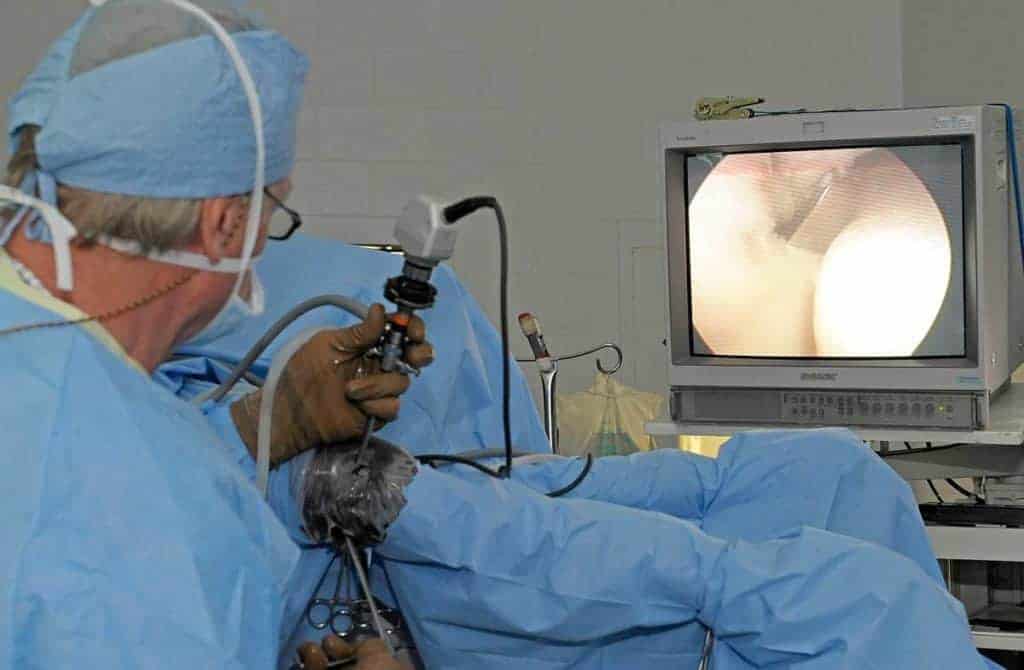
Recent study results suggest the overall septic arthritis rate following surgery was 0.47%, which is similar to previously reported rates. Further, researchers found no association between inpatients’ and outpatients’ septic arthritis development rate.

Equine researchers have begun studying the concept of whole-body inflammation because of its links to a variety of health problems, including “leaky gut syndrome”; musculoskeletal injury risk; and equine metabolic syndrome, insulin resistance, and laminitis.
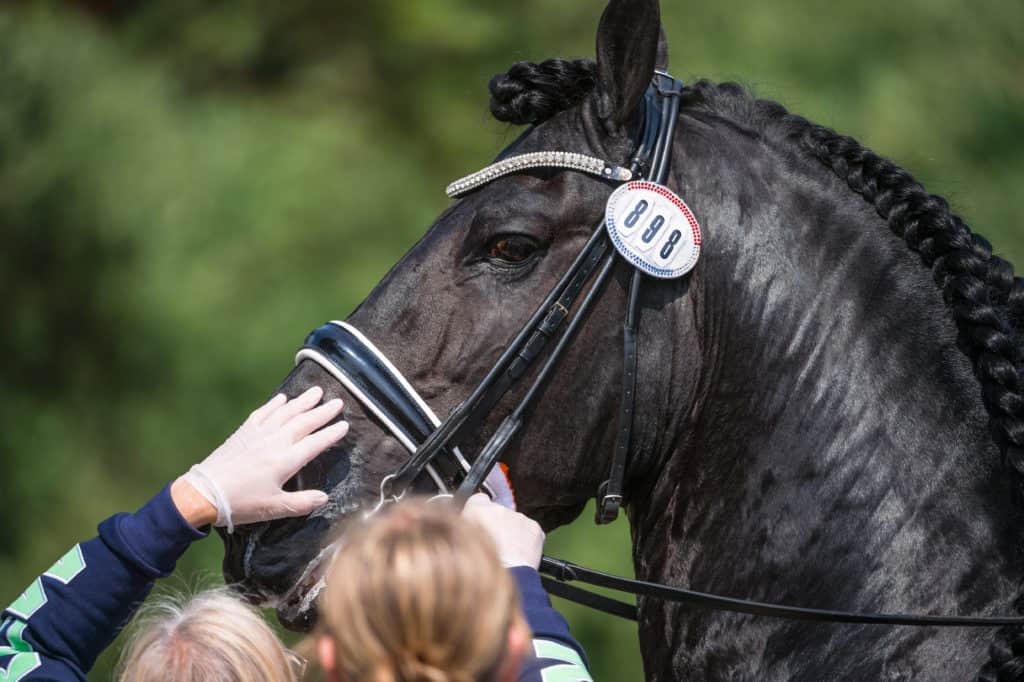
Decisions the FEI makes don’t just affect the welfare of high-level horses. Impacts can trickle down to competitions at all levels. Here’s what you need to know.

Tendons and ligaments are meant stretch and flex. So it must be bad news when hard material forms within them, right? Not necessarily, researchers say.

Researchers found that horses ventilated with “heliox” rated better for two measures of respiratory mechanical function—low peak inspiratory pressure and higher lung compliance—compared to those breathing pure oxygen.

Regenerative therapies can help horses recover following injury. Download this free fact sheet to learn more about stem cell, IRAP, and PRP therapy use in horses.

Surgical site infection risk had little to do with the amount or kind of bacteria present at the incision before, during, or after surgery, researchers found.