Working Up Poor Performance in English Sport Horses
Determining why a horse isn’t performing up to expectations can be a time-consuming and tedious process. One veterinarian shares how she approaches these cases.

Determining why a horse isn’t performing up to expectations can be a time-consuming and tedious process. One veterinarian shares how she approaches these cases.

The condition of your horse’s teeth can have a big impact on how he’s fed. Here’s what to know.

Dr. Wes Sutter recaps studies on MRI for diagnosing hock problems, tieback surgery, evaluating suspensory ligament branch injuries, nerve blocks, and more.
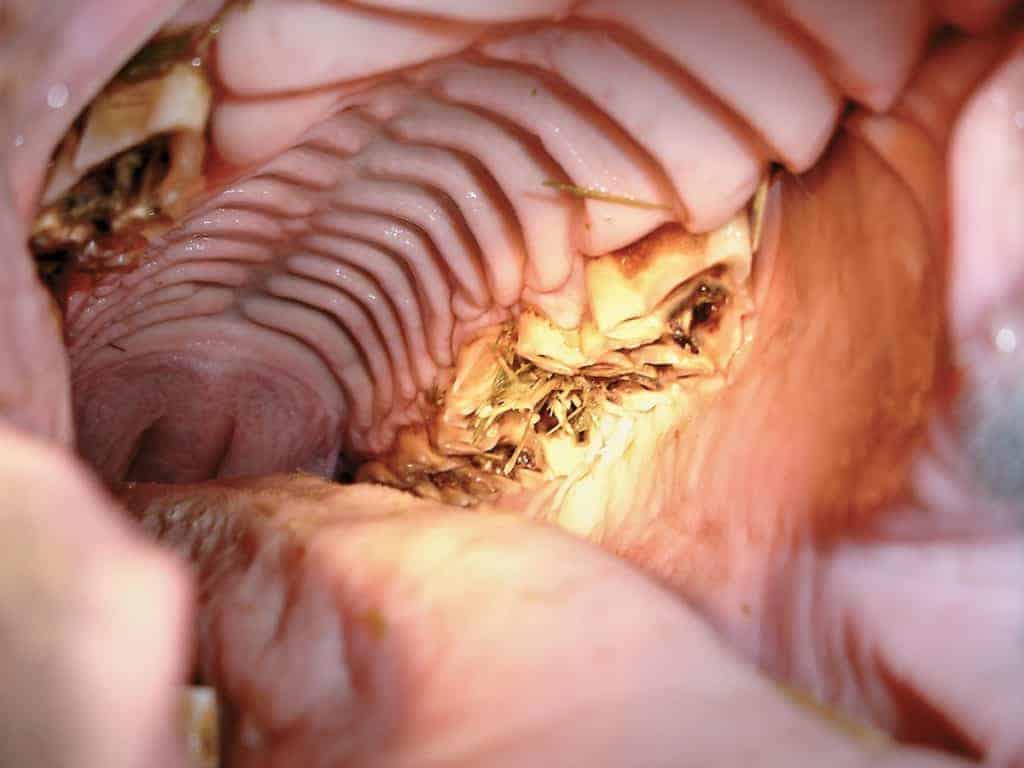
Are your horse’s teeth bothering him? Here are some common signs to watch for.

Learn how veterinarians are helping the working equids of the developing world and their owners. In this article, Dr. Ashleigh Leighton Kornatowski shares a behind-the-scenes look at a typical day on an equitarian trip.

Purchasing a horse is primarily about risk assessment, which is why prepurchase exams are so important. Here are some things to keep in mind.

A recent comparison of diagnosis and treatment of back pain in horses a decade apart has highlighted the way riders and veterinarians alike have evolved in their awareness and management of this condition.
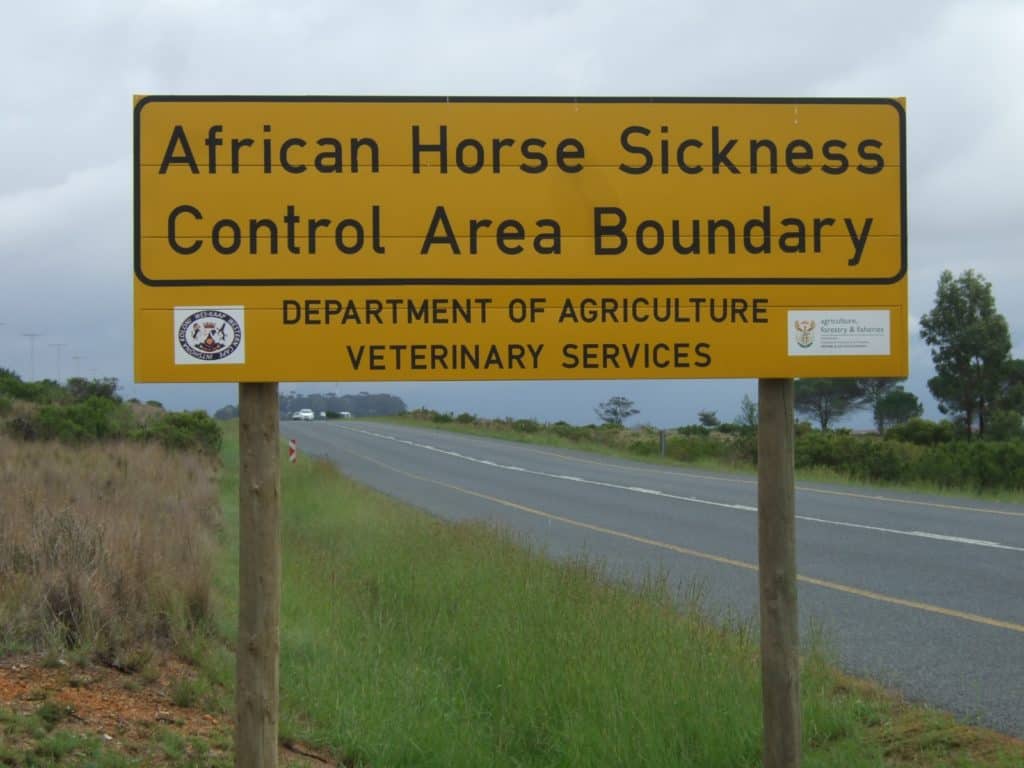
Researchers showed that the VP7 blocking ELISA test is highly reliable and works in exactly the same way every time its used, an important factor African horse sickness control and monitoring.

Take a look at 30 years of equine dietary developments presented at the 2018 KER Conference, which took place Oct. 29-30 in Lexington, Kentucky.
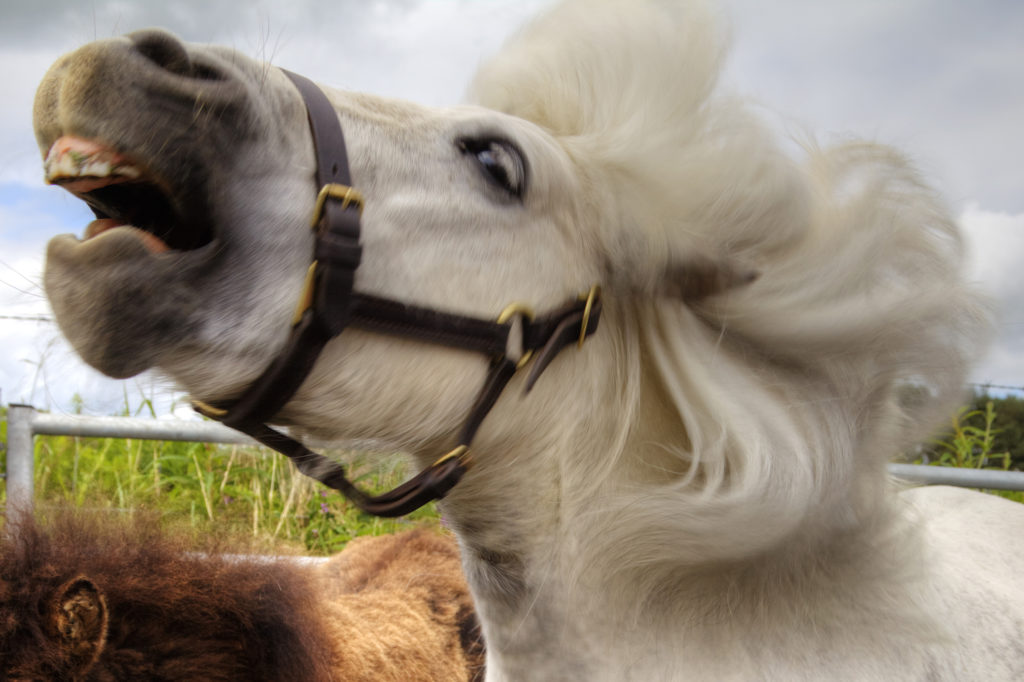
There’s a nerve-tingling explanation behind many equine headshaking cases. Here’s what you need to know.

While surgery alone can improve septic navicular bursitis prognoses, recent study results suggest outcomes can be even better if surgery is combined with antimicrobials and therapeutic shoeing.

Texas-based farrier David Gilliam hopes his new nonprofit, Equine Soundness Professionals, will help improve horse health by promoting increased collaboration between farriers and veterinarians.

Ron Hines, DVM, PhD, is suing the Texas Board of Veterinary Medical Examiners on grounds that the board violated his first amendment right to free speech when it revoked his license, preventing him from providing remote veterinary services vial telephone and the internet.

Read the latest in equine health research, news, and information presented at the 2018 British Equine Veterinary Congress in Birmingham, England.
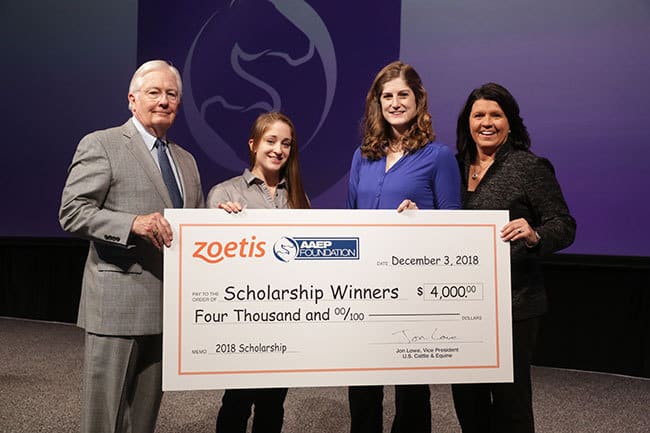
Amanda Craven, DVM; Elisabeth Leahy, DVM; Heather Morrissey, DVM; and Taylor Powell, DVM, each received a $4,000 award from the Zoetis/AAEP Foundation scholarship program.