Got Healthy Hooves? Here’s How to Keep Them That Way
Consider the big picture—from farrier care and diet to environment and genetics—when working to keep horse hooves healthy.

Consider the big picture—from farrier care and diet to environment and genetics—when working to keep horse hooves healthy.

Researchers and veterinarians around the world strive to learn more about the lamellae and have made scientific advances in laminitis diagnosis, treatment, and prevention over the past several years. Here’s what we know.

Laminitis can be challenging to treat, but using acupuncture in conjunction with traditional therapies might improve results, one study found. Here’s how.

A standing equine PET scanner will soon be available at Santa Anita Park. Veterinarians and researchers hope it will ultimately help identify subtle pre-existing bone changes before they lead to catastrophic injuries.

Researchers said evaluating castration complications allowed them to arrive at a benchmark to which other equine practitioners can audit their individual and practice performances, possibly leading to even safer gelding procedures.

Researchers confirmed that a technique called acoustic myography could be useful for evaluating suspensory ligament function, which could mean more straightforward diagnoses, treatment recommendations, and monitoring of these injuries as they heal.

Dr. Kevin Haussler of Colorado State University describes how a saddle should fit horses and how he investigates saddle-fit issues that might cause back pain.
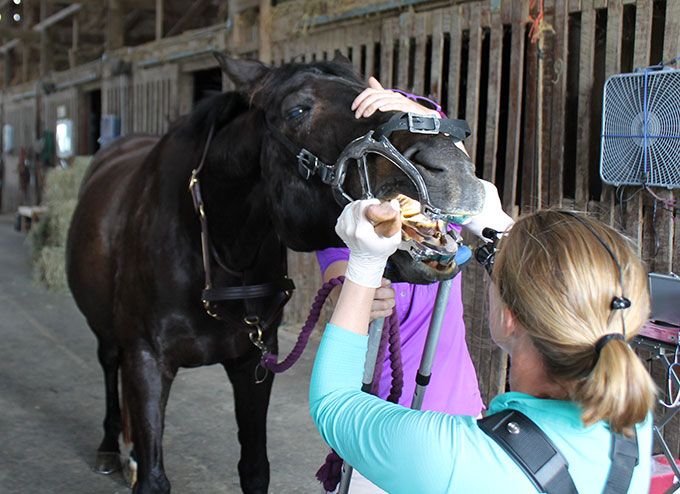
With an estimated 88% of horses over 20 years of age diagnosed with dental disease, veterinarians must be sure to maintain these patients differently than their younger counterparts.

Researchers confirmed that ultrasound is a useful and economical screening tool to identify humeral stress fractures and can be used with radiography to monitor healing.

Learn about the current challenges of medication regulation and drug testing in the race and sport horse industries.

While physicians have used capsule endoscopy in humans for more than a decade, it’s only recently become commercially available on the veterinary market for dogs and shows promise for use in horses.

Recognizing and treating club feet in young horses can help them succeed in their intended discipline and, ultimately, prevent lifelong hoof complications.

The transition from baby to permanent teeth often goes smoothly, but issues can arise along the way.
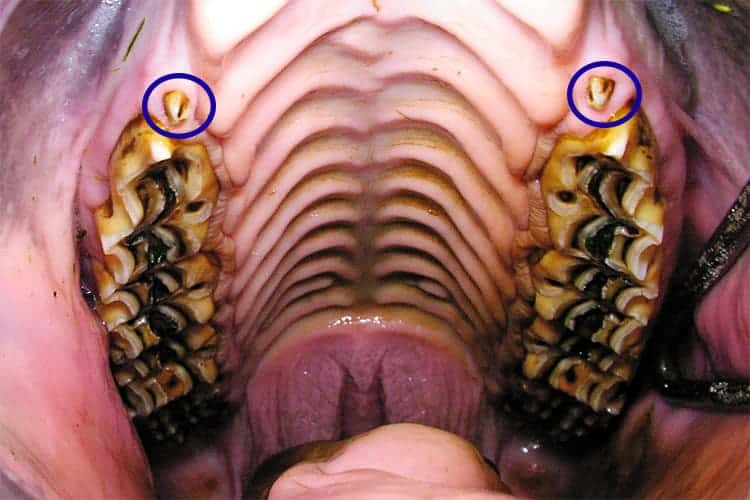
While these teeth usually don’t pose a health risk to the horse, they are often removed in performance horses.

Your horse’s teeth play a key role in keeping him healthy. Here’s what to know about their structure and function.

The modern horse’s dentition results from millions of years of evolution in response to changing food sources and climates. Likewise, how veterinarians treat today’s equine teeth must evolve and improve constantly.