Oldest Evidence of Equine Dental Care Discovered in Mongolia
New research suggests that herders developed veterinary dentistry in Mongolia and eastern Eurasia more than 3,000 years ago.
News and issues for equine health professionals

New research suggests that herders developed veterinary dentistry in Mongolia and eastern Eurasia more than 3,000 years ago.

Researchers have learned that fractured splint bone healing can be optimized by replacing metal screws with absorbable ones.

Learn about equine oviduct anatomy and function and the role oviduct pathology on fertility from of Maria R. Schnobrich, VMD, Dipl. ACT, of Rood & Riddle Equine Hospital’s LeBlanc Reproduction Center.

German researchers found hoof angle changes affect horses differently and might create new problems.
One Auburn University veterinarian says she routinely uses acupuncture on horses for pain management associated with musculoskeletal conditions, such as arthritis, and for treating neuropathies.

The IDEA Veterinary Innovation Competition is intended to stimulate and develop creative ideas from young veterinary problem solvers.

Misinterpretations (believing a horse is happy when in fact he’s depressed, for example) could cause these future professionals to miss signs of poor welfare and put themselves at risk of injury (if they perceive an agitated horse as playful, for instance).

Researchers say the standing technique minimizes risk to the patient, reduces costs to the client, and limits complications.

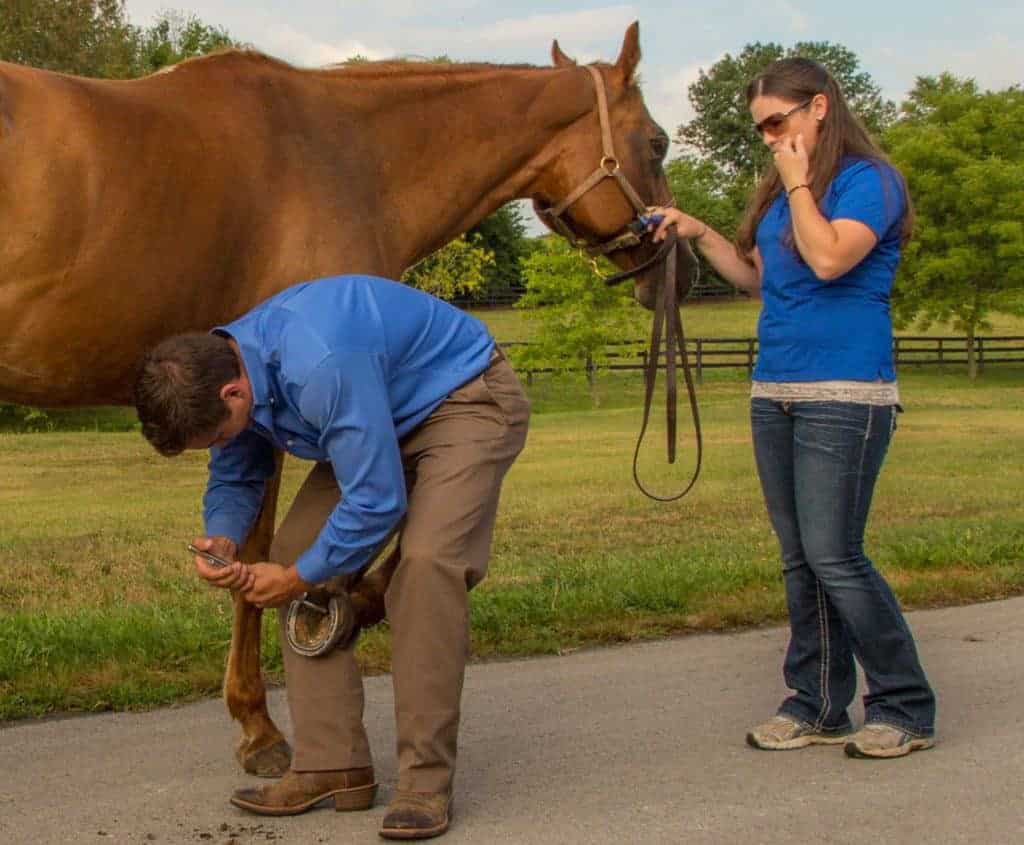
Dr. Debra Taylor describes the visual exam of a healthy hoof and how horses’ feet can change in response to external factors.

Practitioners must use clinical signs and laboratory testing to distinguish between these sometimes similar ailments.

These findings help us better understand how and why horses’ teeth wear as they do, researchers said.

Horse owners might want to have their mares’ ovaries surgically removed for a variety of reasons, including to prevent pregnancy, get rid of tumors, or, most commonly, resolve behavioral issues.

Researchers confirmed some suspected patterns in PPID clinical signs and identified others they considered surprising.

Consider these dietary changes to help reduce the laminitis risk and discuss with your veterinarian whether certain medications could help your horse.

Where do we go from here? Find out from Charlie Scoggins, DVM, MS, Dipl. ACT, who’s a fertility clinician at Rood & Riddle Equine Hospital in Lexington, Kentucky.

Horses consuming crude protein at 12% of total dry matter intake excreted more nitrogen, which led to greater ammonia emissions.
Stay on top of the most recent Horse Health news with
"*" indicates required fields