Cushing’s and EMS: What’s the Difference?
Practitioners must use clinical signs and laboratory testing to distinguish between these sometimes similar ailments.

Practitioners must use clinical signs and laboratory testing to distinguish between these sometimes similar ailments.
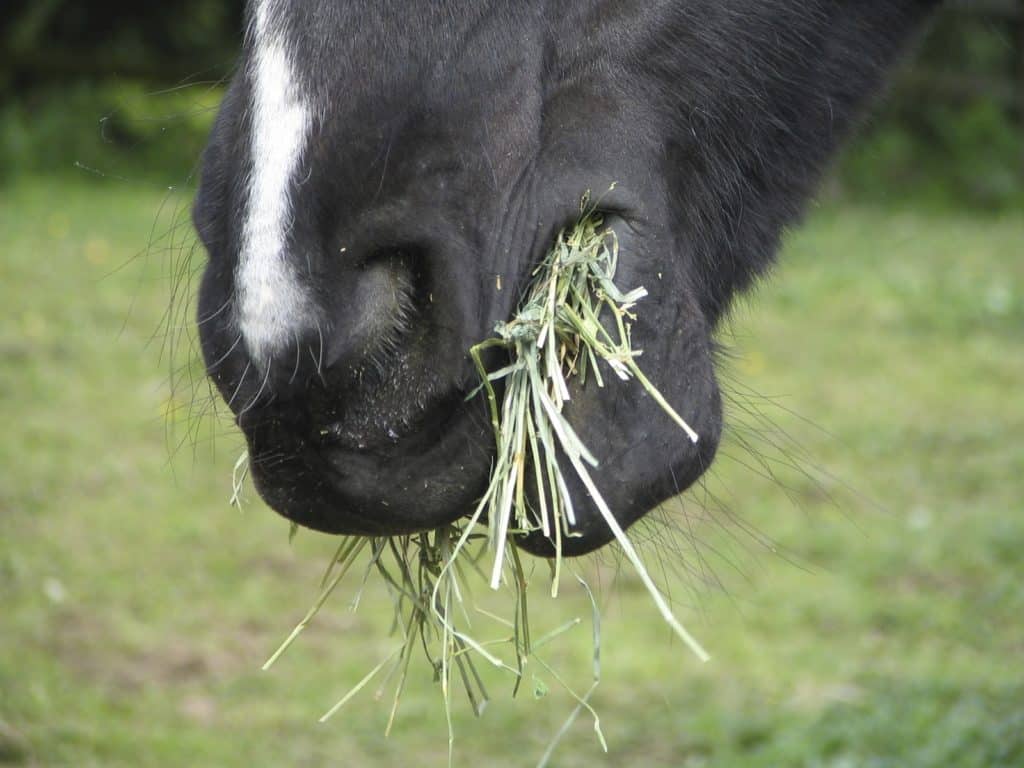
These findings help us better understand how and why horses’ teeth wear as they do, researchers said.

Horse owners might want to have their mares’ ovaries surgically removed for a variety of reasons, including to prevent pregnancy, get rid of tumors, or, most commonly, resolve behavioral issues.

Researchers confirmed some suspected patterns in PPID clinical signs and identified others they considered surprising.
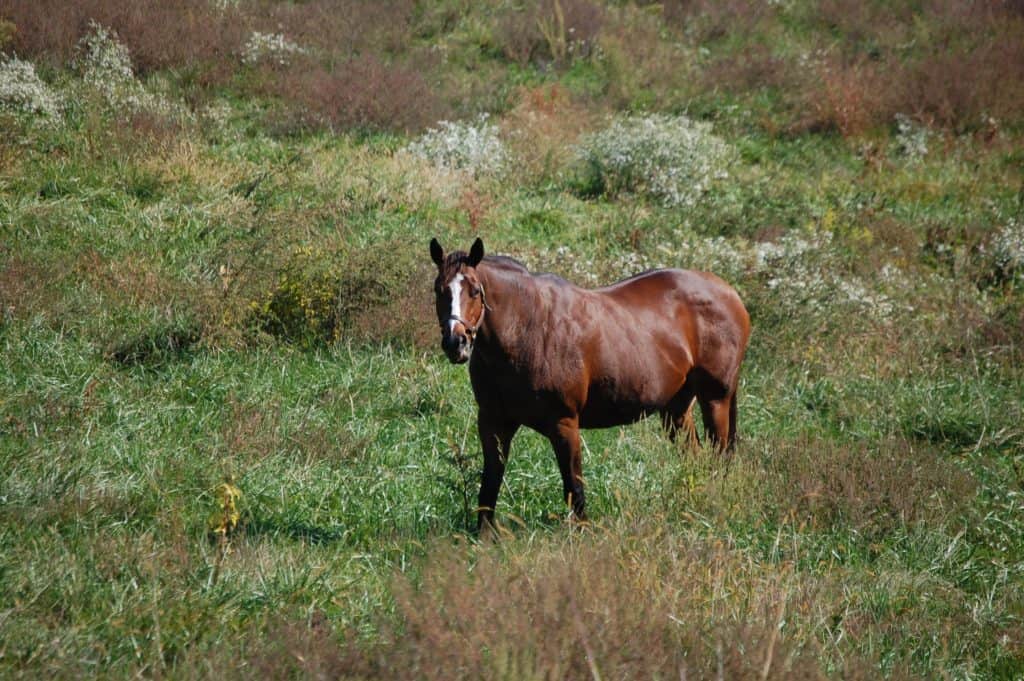
Consider these dietary changes to help reduce the laminitis risk and discuss with your veterinarian whether certain medications could help your horse.

Where do we go from here? Find out from Charlie Scoggins, DVM, MS, Dipl. ACT, who’s a fertility clinician at Rood & Riddle Equine Hospital in Lexington, Kentucky.

Horses consuming crude protein at 12% of total dry matter intake excreted more nitrogen, which led to greater ammonia emissions.

Meconium impactions are the most common cause of intestinal obstruction and one of the most prevalent health issues overall in neonatal foals.

If surgery requiring general anesthesia must be performed on pregnant mares, the safest time window is Days 40-220 of gestation, researchers concluded.

Researchers found that many horses not diagnosed with neck pain had bony changes in the cervical spine.

Drs. Peter Morresey and James McLeod share regenerative medicine insights from clinical and research perspectives.
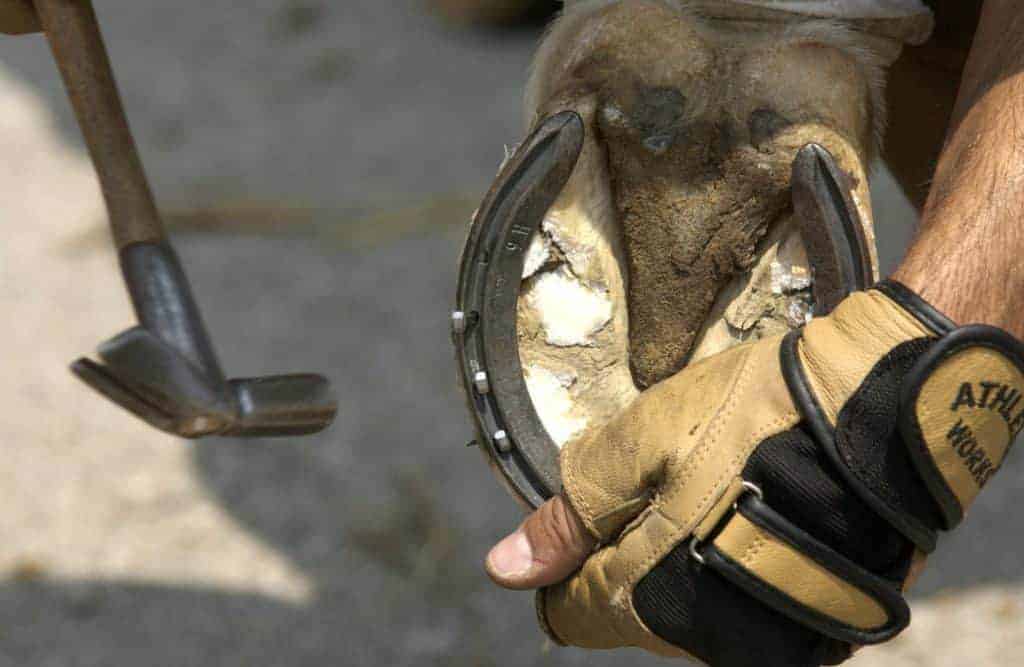
Farriers believe the American Veterinary Medical Association’s (AVMA) proposal to eliminate them from a list of exemptions in the latest suggested revision to the Model Veterinary Practice Act (MVPA) could carry unintended consequences.

Applying shock wave therapy immediately following PRP injection into injured soft-tissue structures might help increase the concentrations of growth factors released from the platelets, researchers found.

When cases are selected appropriately, the complication rate is very low and the prognosis for a full return to work is very good, one veterinarian says.
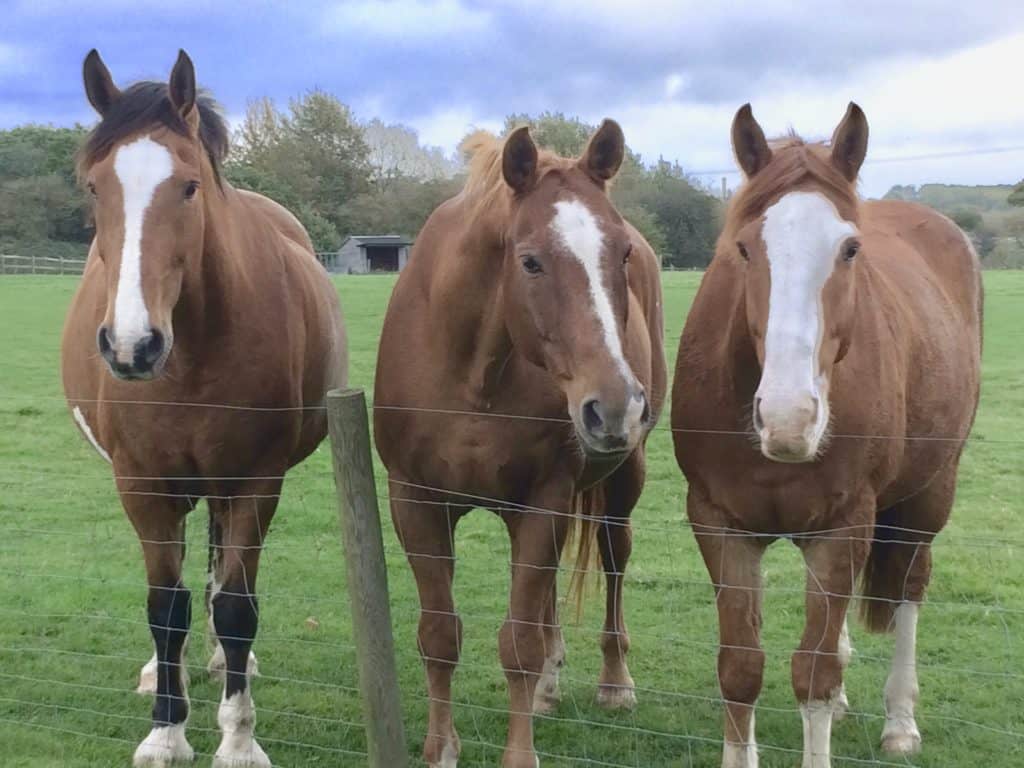
Learn how these “heroes” of the equine veterinary industry step up to save other horses’ lives.

Presenters will speak on pre-race examinations, on-track protocols, test barn best practices, technology resources, biosecurity, and more.