Colic: Better Treatment Options, Better Outcomes
Thanks to advancements in colic diagnostics and treatment, a horse’s chances of survival and return to normal activity following surgery have never been better.

Thanks to advancements in colic diagnostics and treatment, a horse’s chances of survival and return to normal activity following surgery have never been better.
Topics will include equine back pain and pelvic dysfunction, integrative imaging, clinical techniques for veterinary students, the problem mare, and more.

Disease life cycle can be replicated for research in ways scientists didn’t believe was possible.

Two research teams investigated whether APPs could serve as EPM markers and came to similar conclusions.

Data suggest that veterinarians are treating EPM in the field and referring fewer cases.

Find out how an owner’s careful management after an injury occurred likely prevented a fatal outcome for a Quarter Horse gelding.

Dr. Jack Easley takes practitioners step-by-step through evaluating and treating senior horse’s teeth.

The prognosis for performance soundness in nonracing horses diagnosed with sagittal groove injury and concurrent osteoarthritis is poor, researchers found.
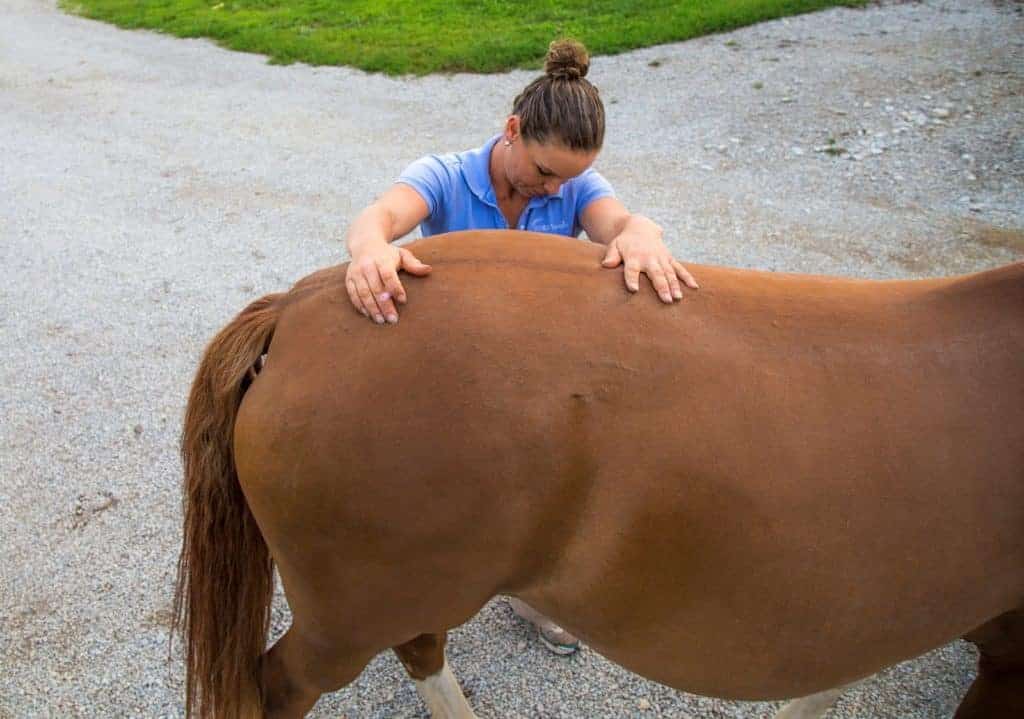
Instead of causing foot pain directly, rear hoof imbalances seem to cause more problems higher up the leg—to the hocks, stifles, glutes, and sacroiliac joint, one vet says.

Ultrasound is a useful screening tool for assessing some deep digital flexor tendon lesions, but it could cause veterinarians to underestimate navicular bursa and collateral sesamoidean ligament lesions.
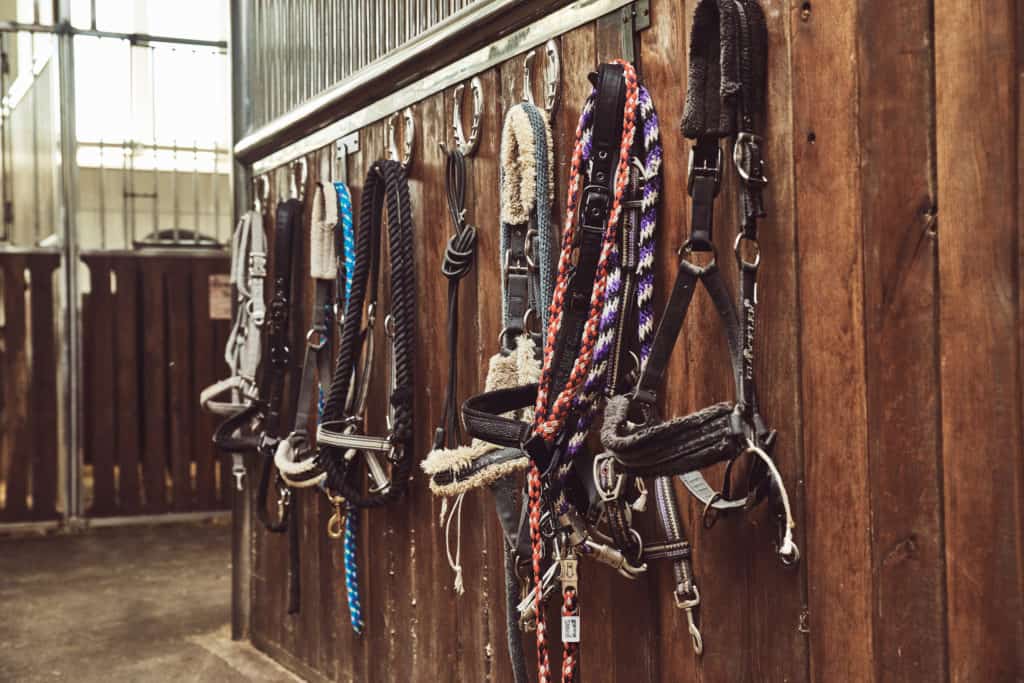
A good wipe-down with sanitizing agent might work well on wood, concrete, and plastic, but nylon equipment is harder to properly disinfect, researchers found.

Applying learning theory principles in equine veterinary practice can improve safety and horse welfare, as well as client satisfaction. Here’s what to know.
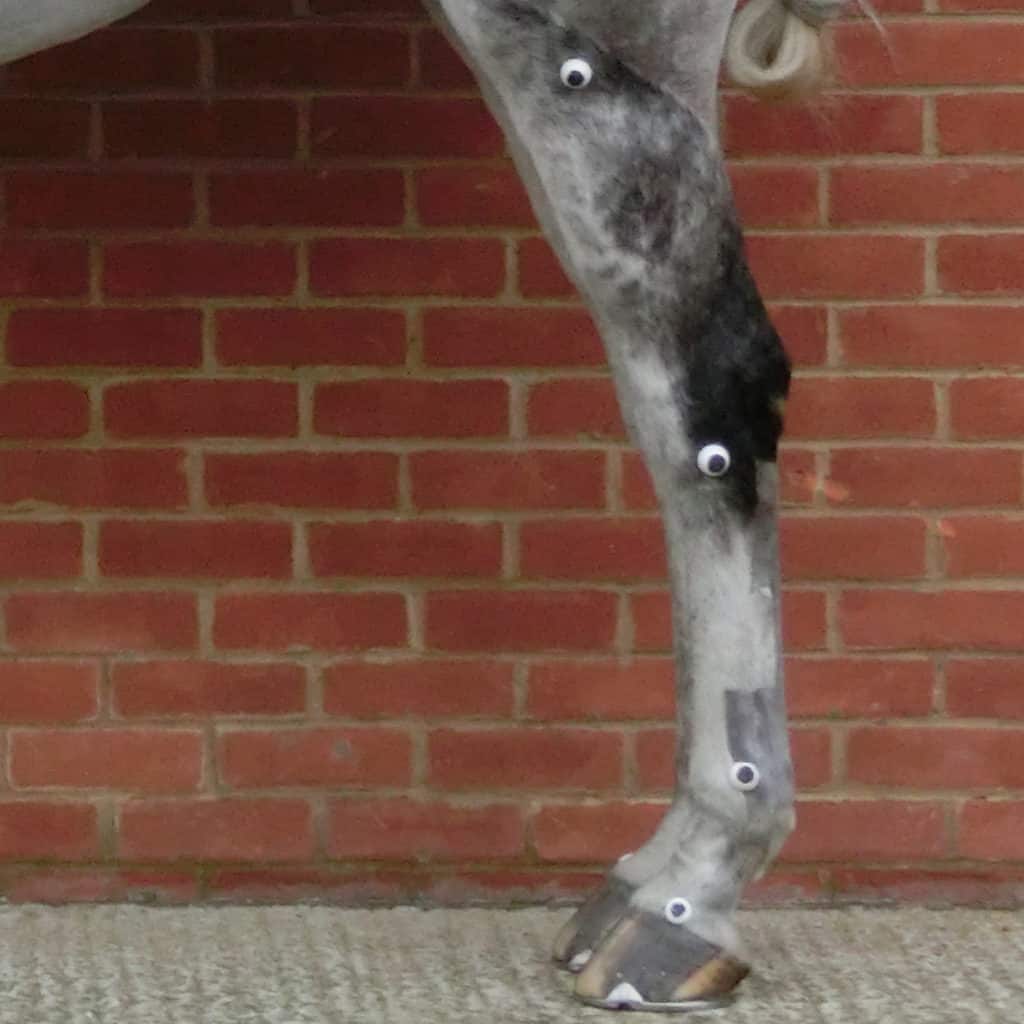
For every degree of increase in hock angle, researchers found a 12% greater chance of a horse having proximal suspensory desmopathy (PSD).

Presenters will speak on pre-race examinations, on-track protocols, test barn best practices, technology resources, biosecurity, and more.

A recent study has revealed that aspirin’s effects on horses seem less pronounced than in humans. In fact, some horses might be resistant to it.

Activated charcoal administered via a nasogastric tube might help stop the intoxication process that leads to death.