Most Foals Do Well in Cold Environments
Weanlings turned out with shelter access had no more respiratory issues than those housed in warmer stables during a harsh Finnish winter.

Weanlings turned out with shelter access had no more respiratory issues than those housed in warmer stables during a harsh Finnish winter.

Researchers evaluated 1,154 Thoroughbreds’ Timeform ratings and performance before and after vaccination and detected no difference in form.
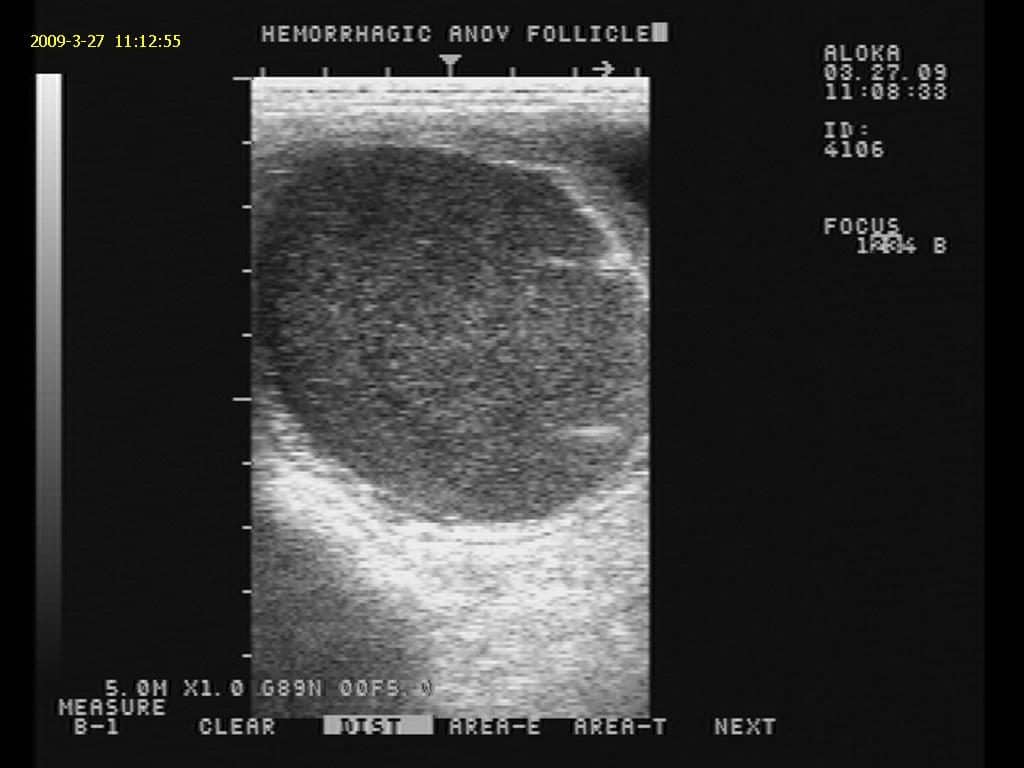
Knowing which ovarian abnormalities are benign and which are pathogenic can help vets manage mare successfully.

This research could help riders select dressage mounts to ensure their ability to perform the required movements while maintaining soundness.

Time is of the essence when diagnosing and treating atypical myopathy as it can prove fatal in less than two days.

Both medical and surgical management resulted in more than 94% of treated horses surviving to discharge from one hospital, researchers found.
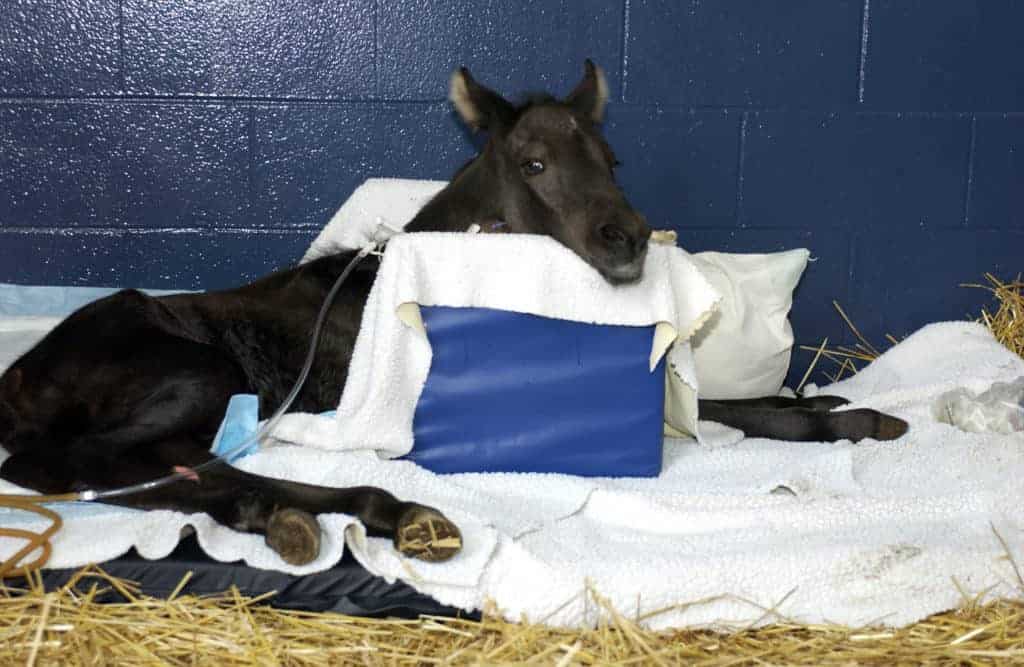
Researchers found that surgical correction of a patent urachus or infected umbilical remnants often has a good outcome.

Here’s how vets can carry out five common mildly aversive procedures using learning science and behavior modification techniques.

If foals are diagnosed and treated early they generally have a fair to good chance to make a full recovery.

Cytology allows vets to correctly diagnose a corneal ulcer’s underlying cause and institute appropriate therapy.

Removing the ovaries won’t fix other issues, from static shock to bladder adhesions, that can make mares behave badly.

A 15-minute tourniquet application was sufficient to achieve peak synovial amicacin concentrations in the coffin joint.

Advances in how vets manage sepsis, as well as incorporating preventive strategies for laminitis, are leading to improved outcomes.
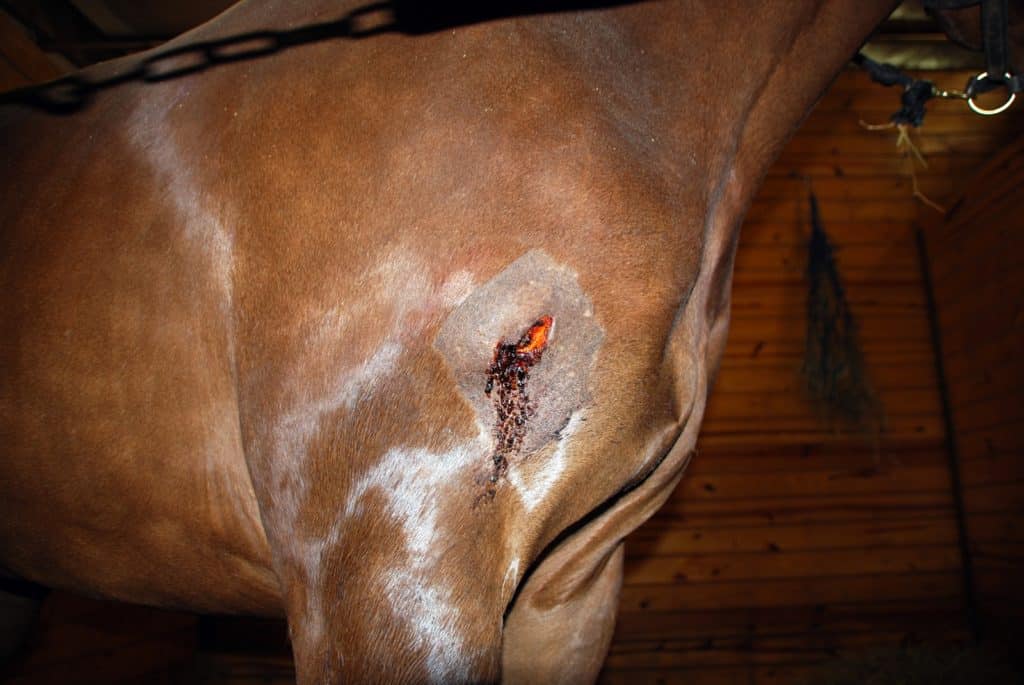
Cornell researchers found that factors secreted by mesenchymal stromal cells might help fight bacteria in skin wounds.

Eye specialist Dr. David Wilkie covers ERU (aka moon blindness) clinical signs, causes, exams, treatment, and more.

Resistant bacteria do not necessarily have the ability to cause more severe disease as long as veterinarians identify them promptly and begin appropriate treatment.