Topical Atropine Not Likely Linked to Colic Development
Oral atropine has been associated with slowed gastrointestinal movement, but researchers found no evidence of this with topical application.

Oral atropine has been associated with slowed gastrointestinal movement, but researchers found no evidence of this with topical application.

Learn about keeping OTTBs healthy and happy as they move into new disciplines. We’ll cover feeding, vet care, handling, and more!

This yellow, amber, or orange iris found in some Paso Finos seems to have no association with eye or vision problems.

Here’s how veterinarians diagnosed and treated a Warmblood that stopped intermittently when working under saddle.
Presentation topics will include metabolic issues, breeding, melanoma, lameness in prepurchase exams, and more.

Listen to audio features on equine learning, behavior, dentistry, metabolic syndrome, parasites, and more.

Horses secrete more insulin during winter, which could pose problems for some pregnant mares, researchers say.
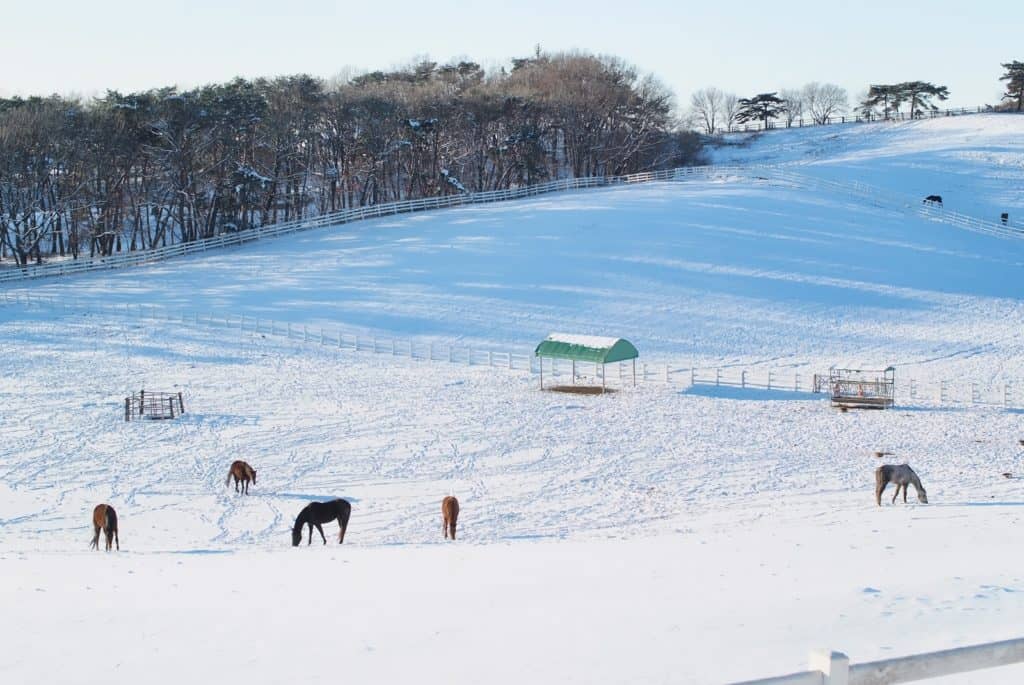
Larger paddocks led to fewer social interactions–both positive and negative–among horses, researchers found.

Veterinarians could be able to use this baseline data to identify prelaminitic changes in Arabian horses.
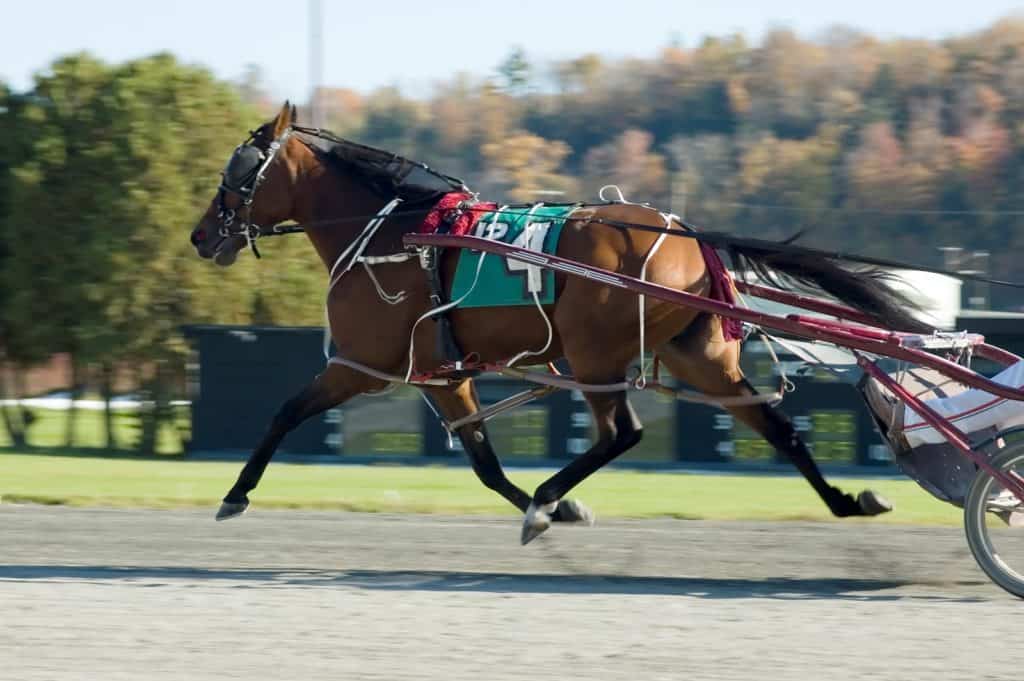
Researchers found high degrees of heritability (up to 0.17), especially in male horses and in pacers.
During this year’s lecture, farrier Daisy Bicking and Dr. Nick Frank will present on laminitis and endocrine disorders.

Lameness was the most common issue ride vets found, but 48% of affected horses had no further vet exams or treatment.

Blood samples revealed a 21% positive rate in breeding stallions compared to 6.7% in sport horses.

Among other results, scientists found that foals born to light-therapy mares were more mature at birth and grew faster.

Learn about diagnosis and management of navicular horses.

Nigel Marsh shares advice for veterinarians on achieving the often-elusive balance between careers and personal lives.