New Therapy Shows Promise for Treating Equine Tendon Injuries
Researchers found horses treated for superficial digital flexor tendonitis with a new biologic product recovered better than those that received a placebo.

Researchers found horses treated for superficial digital flexor tendonitis with a new biologic product recovered better than those that received a placebo.

Drs. Peter Morresey and James McLeod share regenerative medicine insights from clinical and research perspectives.

Applying shock wave therapy immediately following PRP injection into injured soft-tissue structures might help increase the concentrations of growth factors released from the platelets, researchers found.

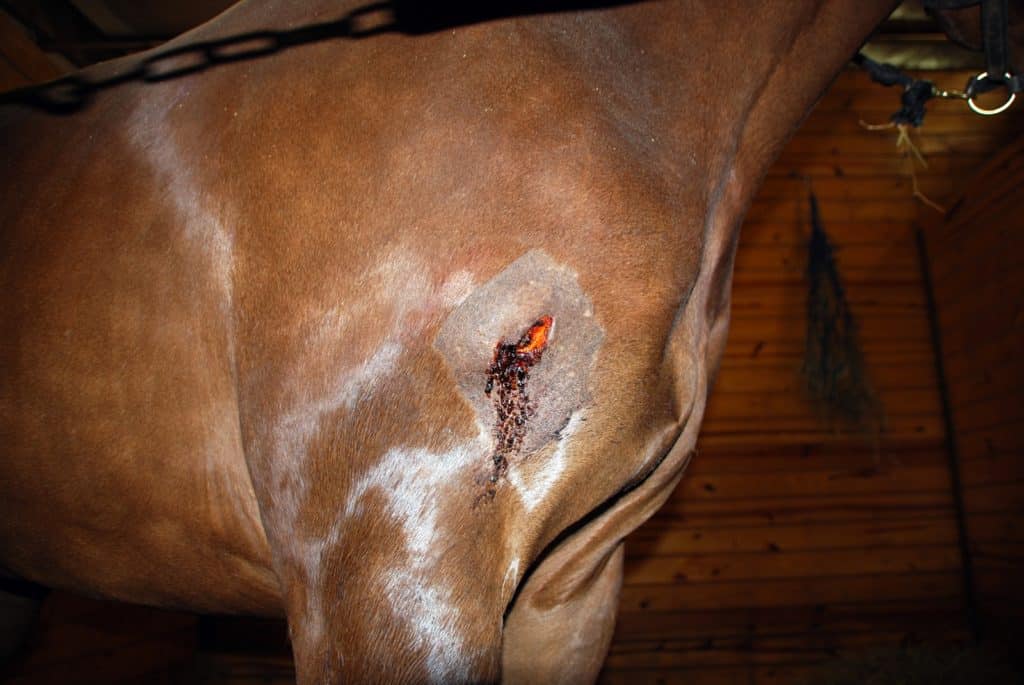
Cornell researchers found that factors secreted by mesenchymal stromal cells might help fight bacteria in skin wounds.

Dr. Regina Turner recaps research on endometritis, factors affecting pregnancy rates, treating placentitis, and more.

Laboratory results show the stem cells can differentiate into fat, bone, cartilage, and muscle tissue.

Study horses returned to full health after tendon and ligament injuries and treatment without adverse side effects.

Dental pulp injections helped reduce pain and improve lameness in horses with soft tissue injuries and arthritis.

Successful treatment depends on an accurate diagnosis and good knowledge of the therapeutic options available.

One researcher describes the promising progress that’s been made in lameness diagnosis and treatment.

Jasmin Bagge, DVM, is studying the use of stem cells to facilitate tissue repair following injury in horses.
Dr. Kyla Ortved will review the varying types of regenerative medicine and their applications in the equine athlete.
Researchers will work to develop culture techniques so donor stem cells can be used safely and effectively in horses.
Top take-homes from presentations on regenerative medicine, eye issues, racing performance and injuries, and more.

Injecting bone marrow aspirate into core SDFT lesions yielded good results for returning racehorses to competition.

This treatment uses the horse’s blood to generate serum enriched with growth factors and anti-inflammatory mediators.
Stay on top of the most recent Horse Health news with
"*" indicates required fields