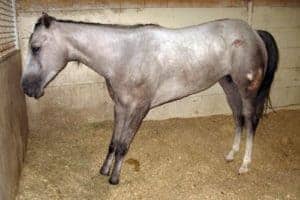
Stewards: Australian Yearling Not Positive for Steroids
The colt’s bloodwork showed the presence of altrenogest, a product typically used to regulate mares’ estrous cycles.

The colt’s bloodwork showed the presence of altrenogest, a product typically used to regulate mares’ estrous cycles.
The policy says racehorses must not be given anabolic steroids. Positive tests will result in a 12-month training ban.

Three trainers received suspensions and fines in conjunction with positive stanozolol tests.
Officials will hear from groups involved in an effort to have all racing jurisdictions adopt uniform drug policies.
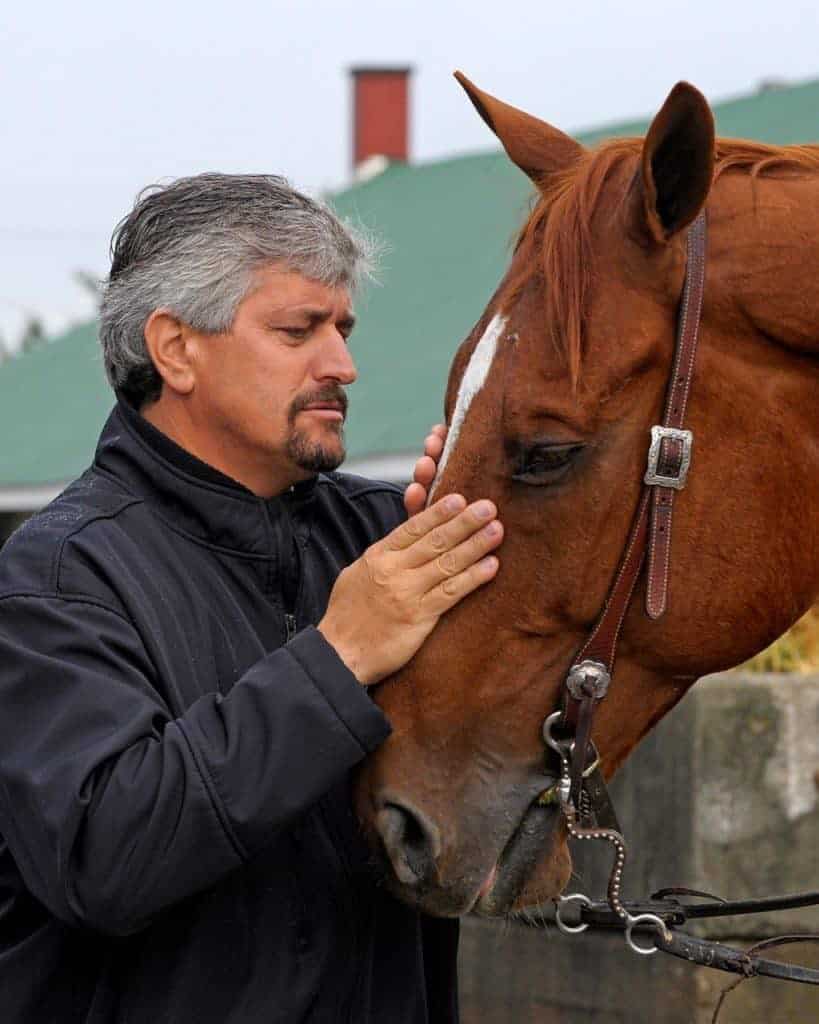
Officials also said they’d completed their investigation into horse mistreatment allegations surrounding Steve Asmussen.

Discussion topics will include expanded lab capabilities, emerging integrity threats, combating doping, and more.
Of the 879 samples tested through Nov. 15, nine (1%) came back over the 25 parts-per-billion threshold level.

The group wants to ensure agencies can sanction licensees who violate restrictions on illegally compounded drugs.

A laboratory test is only as good as the sample submitted. Find out how veterinarians submit samples.

Regulators have preliminarily adopted a new system of minimum penalties for multiple equine drug violations.

The adoption of new model rules on medication use in racehorses has led to an increase in positive tests in Indiana.
The RCI has asked the Racing Medication and Testing Consortium (RMTC) to merge into a new RCI scientific advisory board.

The organization updated entries on ketoprofen, alclofenac, firocoxib, aminorex, and more.
More jurisdictions are operating or will soon be operating under all or part of the National Uniform Medication Program.
Medication regulations for racehorses are changing. Here’s what you need to know.
Truesdail will analyze all urine and blood specimens taken from horses competing at Maryland races.