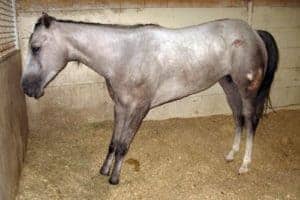
Report: Deficiencies Had Role in N.Y. Racehorse Deaths
A spate of fatal breakdowns was primarily the result of structural deficiencies in rules and regulations.

A spate of fatal breakdowns was primarily the result of structural deficiencies in rules and regulations.

Trainers managing Salix-free horses noted that none of them have shown signs of bleeding after races so far.

A meeting served as a information-gathering session in light of ongoing discussion about furosemide use.
Twenty-six prednisone positives were identified during “super testing” earlier this year.

While the drug initially reduced airway sensitivity, long-term use seems to result in reduced effectiveness.
Ruidoso Downs chairman says serious drug offenders will be banned from the track’s property starting in 2013.
The organization endorsed a proposal to have Salix administered by certain veterinarians only.
Gov. Steve Beshear implemented regulations reforming some aspects of the state’s equine medication policy.
Race-day medication discussions are taking place in both Kentucky and West Virginia.
The rules are scheduled to take effect Sept. 4, just before the start of Turfway Park’s meet.
Furosemide will be the only medication permitted on race day in Kentucky effective Sept. 4.
The AQHA announced Aug. 12 its endorsement of The Jockey Club’s proposed Reformed Racing Medication Rules.
All human and equine samples taken during the Olympic equestrian events at Greenwich Park were negative.
The Jockey Club has added a provision governing regulatory administration of furosemide on race day.
Race-day Salix will not be allowed in listed stakes races for 2-year-old Thoroughbreds.
The treatment and drug records of horses running in the Travers Stakes will be updated daily online.