Jockey Club Denies Trainers due to Drug Violations
Both individuals violated rules involving prohibited or restricted drugs, medications, or substances.

Both individuals violated rules involving prohibited or restricted drugs, medications, or substances.
The lawsuit alleges the organizations conspired to defame a New Mexico meat processing company.
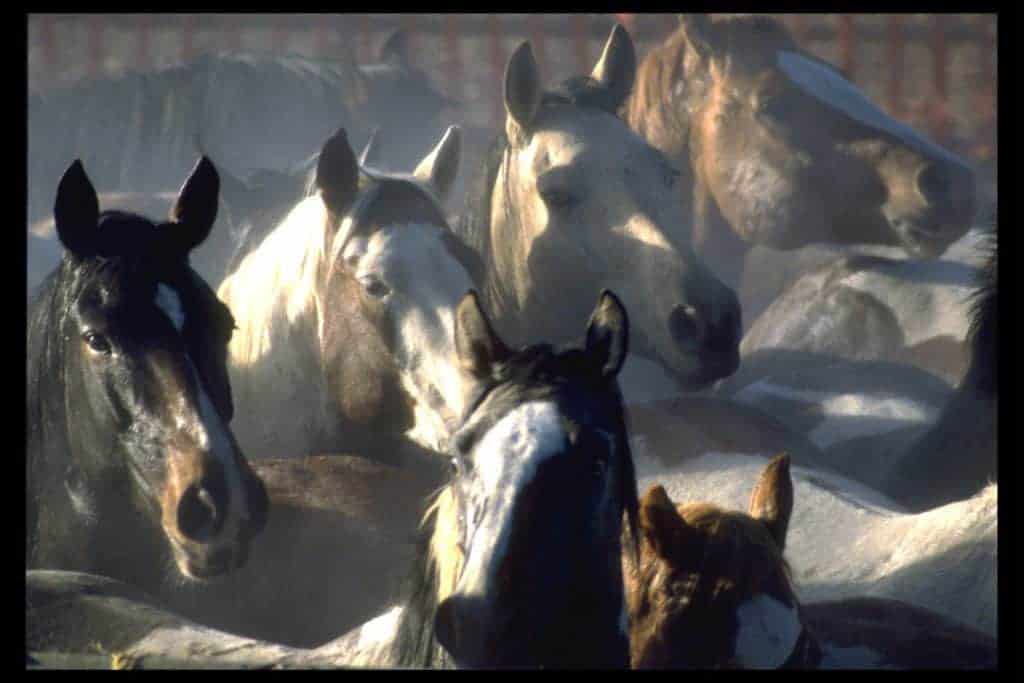
After a holiday break, the gather will resume in early January 2013.

Among the recommendations was a prohibition on corticosteroids joint injections within seven days of a race.

The BLM is seeking input on an environmental assessment for management of wild horses during drought.
Officials are investigating how the two Standardbred horses might have been exposed to the drug.
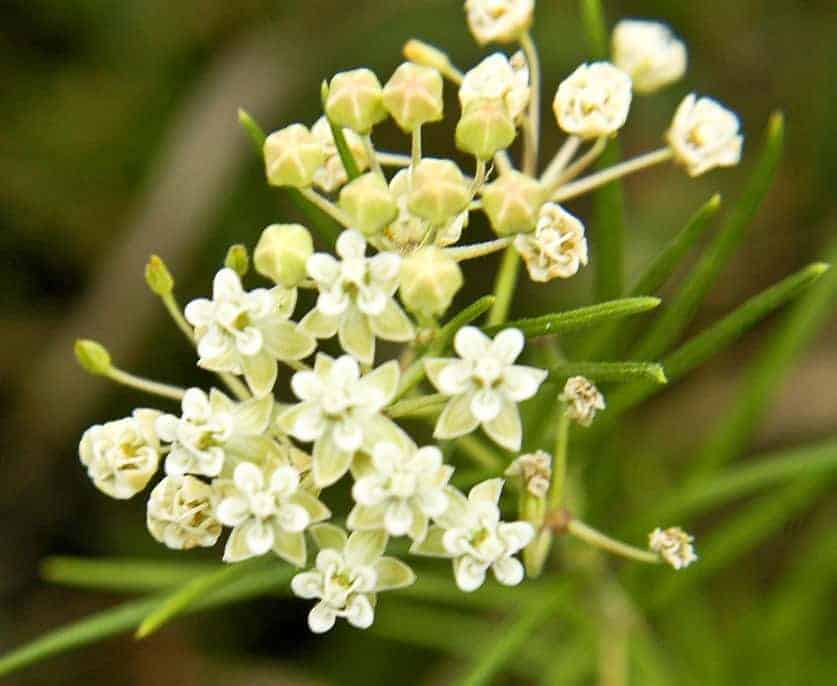
Preliminary results from Colorado State University suggests ingestion of the plant caused the horses’ deaths.
Due to severe drought conditions, forage and water is very limited for the existing overpopulation of horses.

Many leaders believe sweeping medication reform could become a reality in early 2013.

The changes are designed to prevent mistakes in Salix administration prior to races.
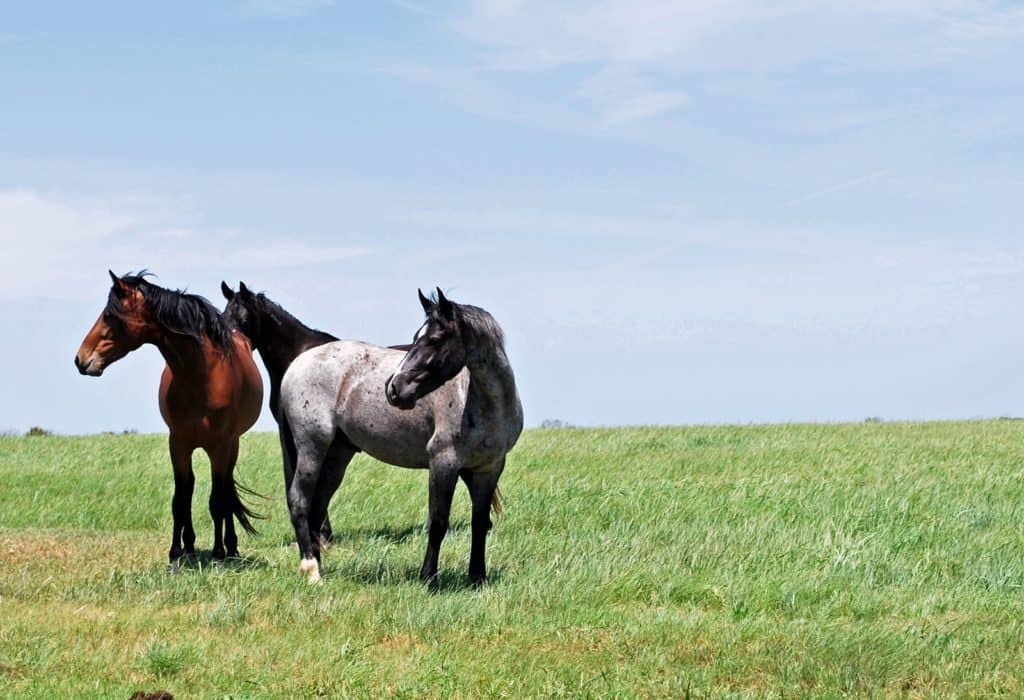
The changes respond to reports that an individual purchased numerous mustangs, then sold them for slaughter.

Racing regulators amended rules on the use of clenbuterol and methylprednisolone acetate in Thoroughbreds.
Changes reflect a reprioritizing of gathers based on drought and diminishing food and water for horses.
Six animals have been necropsied, but so far the general results of those examinations have been inconclusive.

A panel discussed dealing with drug violators in horse racing and reported progress.
The BLM is investigating the deaths of 19 wild horses at its Canon City Wild Horse Inmate Program facility.