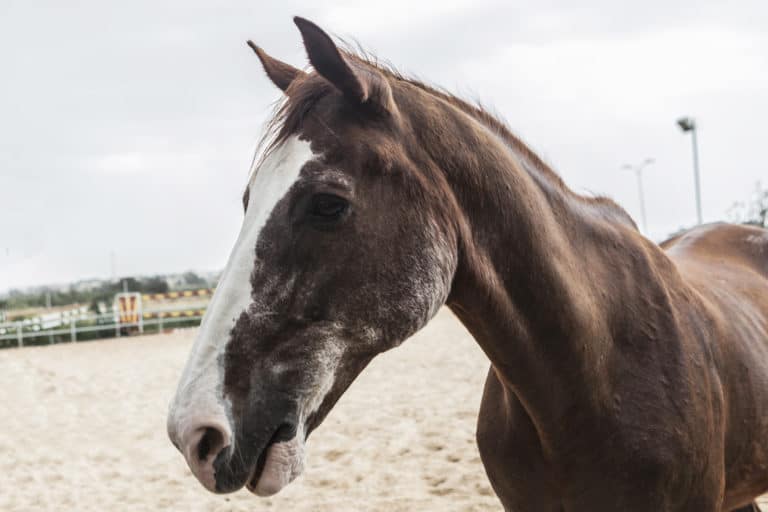
Unvaccinated Rocky Mountain Horse Tests Positive for WNV in Kentucky
The horse lives in Grayson County.

The horse lives in Grayson County.

The horse lives in Grant County and tested positive for West Nile virus.
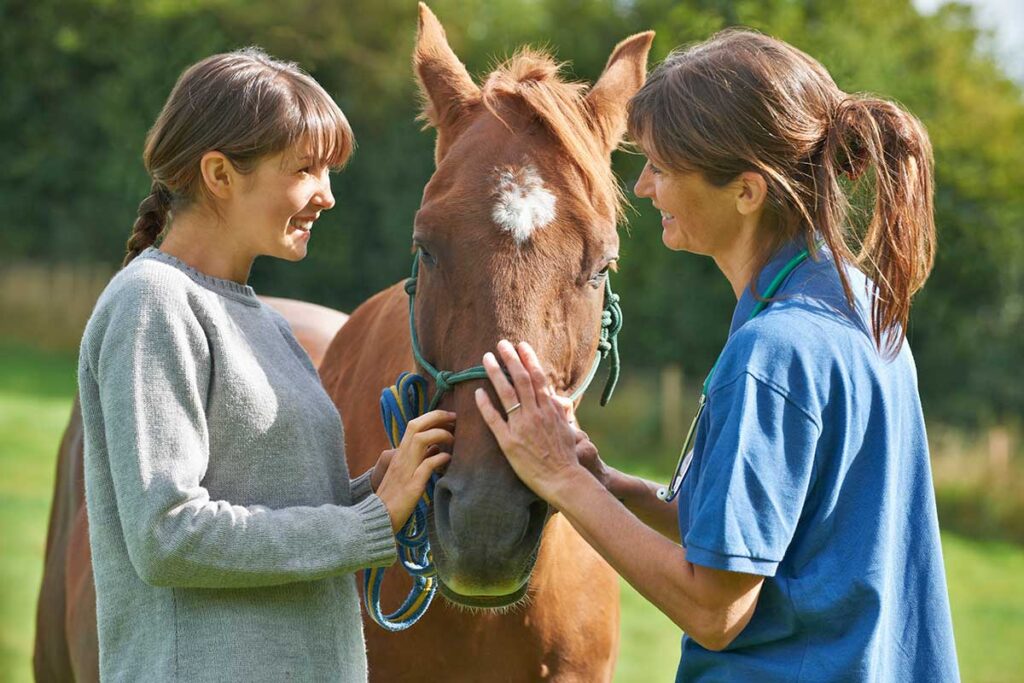
Horses are expensive, but you can use these strategies to forecast expenses without sacrificing compassionate care.
A horse at a veterinary hospital in Douglas County, Illinois, was euthanized after contracting West Nile virus.
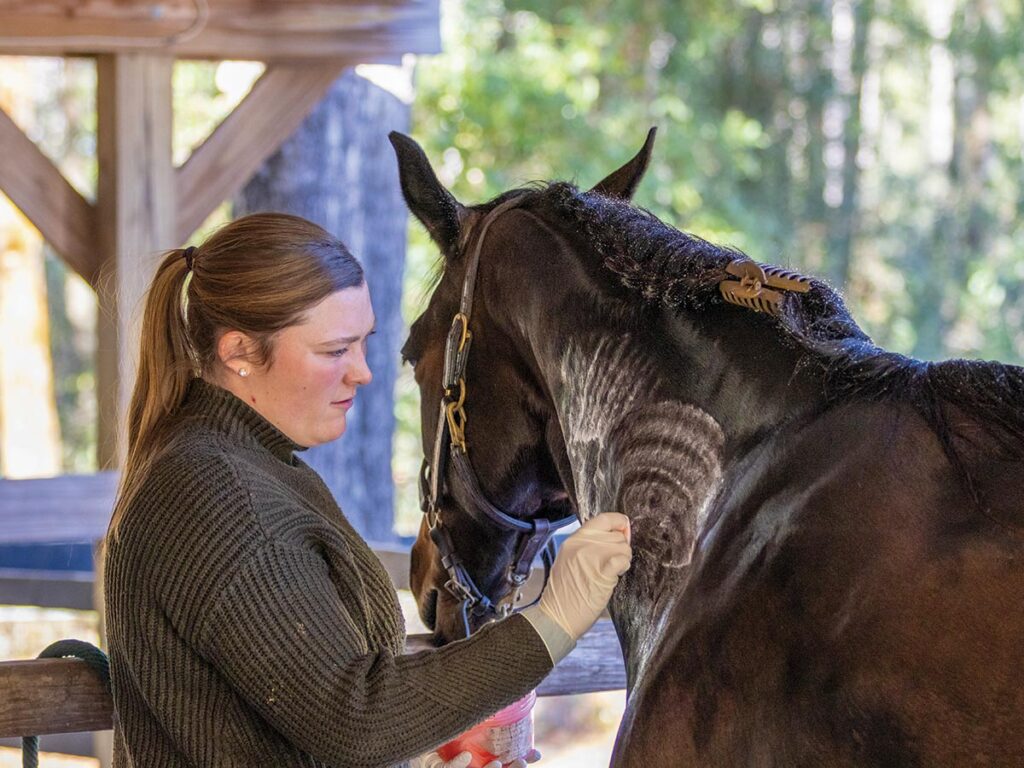
Veterinary technicians help veterinarians provide top-level care to their clients and patients. Learn more about their roles in the Fall 2025 issue of The Horse.
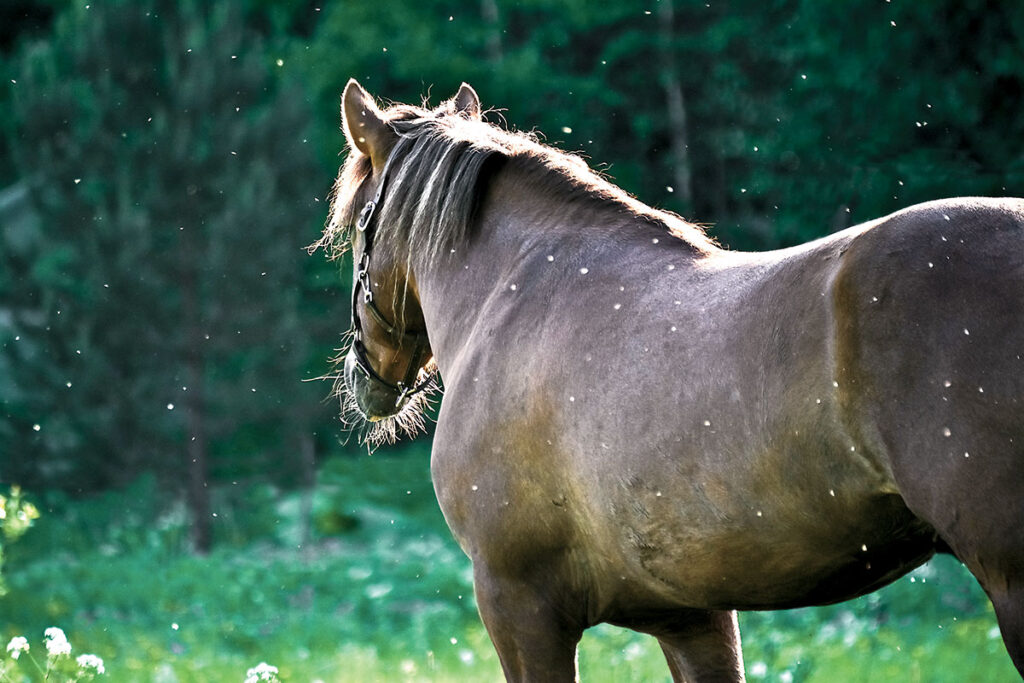

A Quarter Horse filly in Beaver County, Utah, has fully recovered after contracting West Nile virus.

Learn about the subtle cues indicating horses like the work they do in this article from The Horse‘s Fall 2025 issue.

The horse lives in Livingston County, where 21 horses have been exposed.