In March of this year the American Farrier’s Association (AFA) announced the establishment of its International Outreach Committee (IOC). The AFA founded the IOC response to a demand for improved educational opportunities and farrier certification programs in South America where there is minimal formal farrier training but an abundance of hard-working equids.
The IOC is focused on creating self-sustaining podiatry care improvements for working equids in South America.
The AFA’s International Outreach program is different than many traditional development projects in that it seeks to train an existing population of farriers to a higher standard with the goal of expanding the network of trained farriers. The IOC focuses on education and creating a self-sustaining, multiplying effect rather than one-time trimming services. Demonstrating the importance and value of this model, the project has already seen several successful candidates go on to become educators within their own countries.
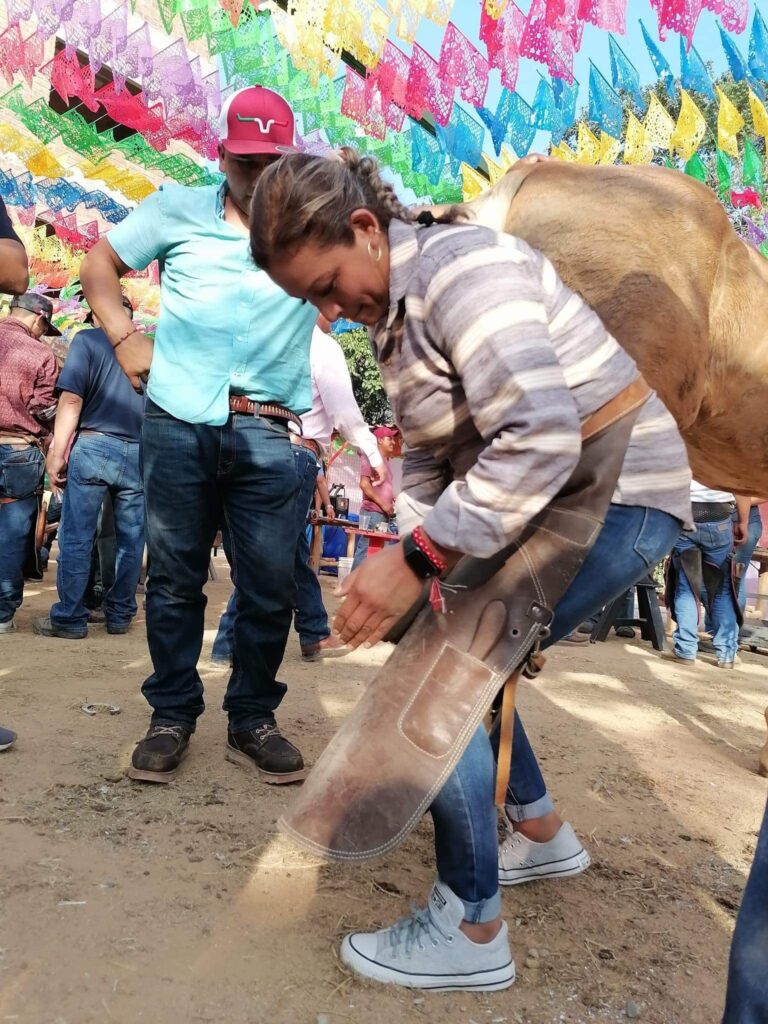
The original international outreach project began in 2017 in Puerto Vallarta, Mexico with a few members who were on vacation. The initial “clinic” was taught with rudimentary tools under a tree with a few on-lookers. The clinic continues to grow and spread with the support of the AFA and individual donations. Since the establishment of the Puerto Vallarta project, the number of educational events in Mexico has multiplied and Colombia will be hosting an AFA Certification event in September. The AFA has also sent clinicians to Cuba in partnership with the non-profit “Cuba’s Horses.”
The IOC furthers the mission of the The American Farrier’s Association.
The AFA was founded in 1971 with the mission of “upgrading equine welfare through excellence in the practice of equine hoof care and farriery. Educating farriers in the art and science of farriery has been central to this goal.” The AFA has a 5-tier training system in which participants earn a status like “Certified Farrier” or “Certified Journeyman Farrier” based on the degree of the difficulty of their examination. Each examination is three parts: written (anatomy and physiology), blacksmithing demonstration (shoe modification or creation) and a live horse demonstration. The examination system is well-established and widespread in the United States. In response to the demand in South America, the AFA has translated their Certification Study Guide and examinations into Spanish, and they are also looking to develop more remote teaching resources.
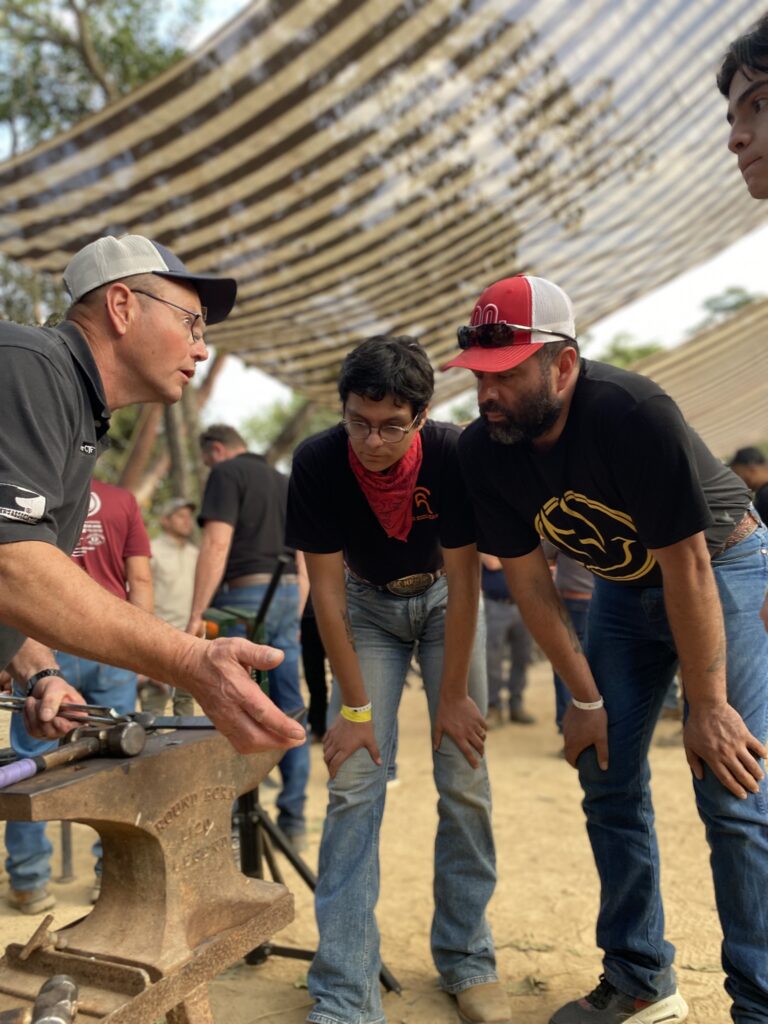
By expanding educational opportunities and the network of trained farriers, the AFA seeks to elevate the standard of hoof care provided in these countries. Ultimately, this would also help create a database of farriers that could potentially work with humanitarian organizations in more remote areas that are native to the area and understand the challenges of the people living there.
For more information on this project and information on how to make a tax-deductible donation please visit: https://americanfarriersfoundation.org/areas-of-support/international-outreach/