Farriers are an essential part of horses’ care teams—but they can’t do their job without help from horse owners and barn managers. Whether your horse goes barefoot or wears shoes, respecting your farrier’s time, safety, and expertise can help make each visit safer and more productive for everyone involved. Two professionals share what you need to know for a safe and productive farrier visit.
1. Stick to the Schedule
Skipping or stretching shoeing appointments might seem harmless, but it can negatively impact your horse’s health, especially during the summer months. “Shortening a shoeing cycle isn’t about making more money,” says David Wilson, CF, a farrier based in Chester County, Pennsylvania. “It’s about staying on top of your horse’s hoof health.” Horses’ hooves grow quickly in warm weather and failing to stick to a schedule can put them at an increased risk of developing cracks, losing shoes, or lameness.
2. Don’t Overdo the Baths
Most owners bathe their horses frequently, but daily baths can do more harm than good for your horse’s hooves. “Overbathing can cause hoof-related issues,” says Lance Yohe, CJF, chief of equine podiatry at the University of California, Davis. “Hooves can become oversaturated and crumbly with daily bathing.” Yohe recommends cutting back on bathing when possible to maintain hoof integrity.
3. Prepare Your Horse for Farrier Visits
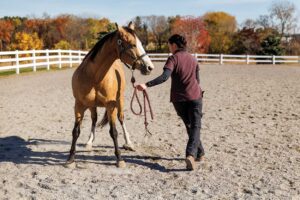
Teaching your horse to behave isn’t part of the farrier’s job. “A farrier is not a horse trainer,” Wilson says. Spend time working with your horse regularly to be sure he is comfortable having his hooves handled and standing quietly for longer periods of time. Work with a behaviorist or your veterinarian if your horse struggles to stay relaxed during farrier visits.
4. Each Farrier has a Unique Technique
Every farrier has their own approach, based on their training, experience, and philosophy, says Wilson. Don’t expect your current farrier to mimic your previous one. “Not all farriers do things the same way,” he says. Stay open-minded, ask questions, and trust they’re doing what they believe is best for your horse.
5. Set the Scene for Success
Creating a calm, safe work environment helps protect your horse, the farrier, and everyone else in the barn. Yohe recommends using a shaded, flat, well-lit area—ideally, one where your horse already feels comfortable and is accustomed to being handled. In hot weather apply fly spray beforehand to reduce stomping and kicking at flies and consider setting up a fan to keep both your horse and the farrier more comfortable.
Take-Home Message
When working with your farrier, planning ahead can help maintain farrier and horse safety. Staying on schedule, teaching your horse to stand quietly, avoiding overbathing, and offering a safe, comfortable workspace will help your farrier do their part in ensuring your horse’s soundness and well-being.