Sand’s heavy, abrasive nature makes it worth specific investigation when it comes to impaction in the equine intestine, according to a group of Israeli researchers who conducted a 12-year review of horses undergoing surgery to relieve sand colic.
The study, recently published in the Australian Veterinary Journal, showed that 95% of the horses recovering from sand colic surgery survived the first two weeks following intervention, and that 100% of those survivors were still alive a year later. However, post-operative diarrhea was much more common in these horses, compared to horses recovering from feed impaction colic. Researchers postulate this is because the sand had irritated the colon walls. Furthermore, horses with sand colic were at a greater risk for intestinal tears due to the weight of their load.

Radiograph showing sand collected in pony’s intestine.
The study also showed a statistically significant correlation between a high respiratory rate and a poor prognosis for survival. “Respiratory rate is a measure of pain,” Steinman said. “It reflects the degree to which the horse is affected, so the earlier the operation, the better the outcome.” However, he noted, this is not unique to sand colic.
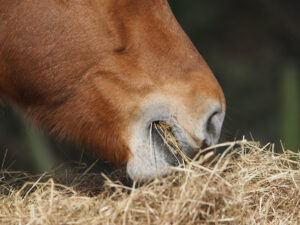
Horses develop sand colic by ingesting sand that accumulates in the intestines and causes impactions, frequently in several locations. Feeding horses away from sandy areas and with sand-free hay helps reduce this risk, as does providing constant access to a salt block so that the horses are not tempted to seek minerals directly in the sand, Steinman said. In high-risk cases, he added, bulk-forming fiber laxatives can be given every 30 to 60 days as a prophylactic.
Create a free account with TheHorse.com to view this content.
TheHorse.com is home to thousands of free articles about horse health care. In order to access some of our exclusive free content, you must be signed into TheHorse.com.
Start your free account today!
Already have an account?
and continue reading.