Skip to content
Sign Up for Newsletter
Get Unlimited Access
Facebook-f Twitter Pinterest-p Instagram Youtube
  • Login
    • Register
  • Newsletters
  • Magazine
  • Login
    • Register
  • Newsletters
  • Magazine
  • Topics
    Breeding and Reproduction

    Horse breeding from planning through foal care

    Hoof Care

    Prevention and treatment for problems of the equine foot

    Nutrition

    Proper feeding practices for foals, adult horses, and older horses

    Welfare and Industry

    Discussions about the welfare of our equine friends

    Diseases and Conditions

    Horse-heath-problem risk factors, prevention, diagnosis, and treatment

    Horse Care

    How to care for the basic health needs of horses

    Sports Medicine

    All aspects of caring for performance horses

    All Topics
    Farm and Barn

    Design and maintain a healthy horse operation

    Lameness

    Prevention, diagnosis, and treatment of leg lameness

    Vet and Professional

    News and issues for equine health professionals

  • Magazine
    The Horse, Spring 2026

    Cover Story

    The Foals First 24 Hours of Life

    Important milestones and common health issues in equine neonates

    Also in this Issue

    • What Medications Are Safe for Pregnant Mares?
    • Lyme Disease: Signs, Incidence, and What the Research Tells Us
    • EHV-1 Explained
    • Computer-Assisted Repair of a Cervical Vertebral Fracture in a Horse
    • Ration Balancers vs. Vitamin/Mineral Supplements: Choosing the Right Fit
    • The Equine Lameness Exam
    • Sidebone: Incidental Finding or Clinical Concern?
    Digital Edition
    Give a Gift
    Subscribe
    Manage My Subscription
  • News

    Latest News

    Joint Injury in Horses: What to Do Before the Vet Arrives

    Florida Horse Tests Positive for Strangles; 35 Horses Exposed

    Colorado Quarter Horse Euthanized After Contracting EIA

    3 Wisconsin Horses Test Positive for Influenza

    New Jersey Oldenburg Gelding Tests Positive for EHV-1

    Nutrition and Recovery for Eventing (and Other Hard-Working) Horses

    More News

    Disease Alerts


    EDCC Health Watch

    Event Coverage

    2025 AAEP Convention

    2025 ESS Symposium

  • Features

    Latest Features

    Inside the Microbiome

    Inside the Equine Gut Microbiome

    May 29, 2026
    Parasite Control for Today's Horses

    Parasite Control for Today’s Horses

    April 28, 2026

    Additional Features

    Managing Your Performance Horse’s Joints

    Equine Asthma

    Diagnosing and Treating Gastric Ulcers in Horses

    Promoting Longevity in Performance Horses

    What To Feed Old Horses

    All Features
  • Q&As

    Latest Q&A

    Rolex - Cross Country - 2014

    Nutrition and Recovery for Eventing (and Other Hard-Working) Horses

    June 3, 2026

    Q&As

    Equine Behavior

    Animal behavior experts field your questions about why your horse does XYZ.

    Horse Nutrition

    Equine nutritionists respond to queries about forage, grain, supplements, and other related topics.

    Performance Horse Health

    Veterinarians and researchers tackle questions about equine athletes.

  • Visuals

    Featured Media:

    vet exam, tail pull, neurologic exam

    Why Vitamin E Matters: Protecting Horses from Neuromuscular Disease

    When We Can’t Cure Equine Gastric Ulcers

    Quick Links

    Webcasts
    Infographics
    Slideshows
  • Podcasts

    Featured Podcasts

    Feeding Horses: Hay is for Horses, Part 1

    hives

    Solving Common Equine Skin Problems

    Podcasts

    Ask 'TheHorse' Live

    The Horse’s experts answer your questions during a monthly live audio event.

    Equine Innovators

    Join us as we interview leading equine researchers.

    Feeding Horses

    Every month The Horse has an in-depth conversation with a respected equine nutritionist or veterinarian about a topic important to horse owners and professionals. 

    All Podcasts
  • Free Reports

    Fact Sheet: Pituitary Pars Intermedia Dysfunction (PPID)

    Fact Sheet: EPM

    Fact Sheet: Equine Protozoal Myeloencephalitis (EPM) in Horses

    Free Reports:

    View All Free Reports

    Quick referenced of horse conditions, diseases and health topics

    Forms

    Checklists and identification forms for horse owners

  • Tools
    feed cost calculator

    Horse Feed Cost Calculator

    Mare Gestation Calculator

    Mare Gestation Calculator

    Adult Horse Weight Calculator

    Adult Horse Weight Calculator

    Additional Resources


    Horse Health Glossary

    Get-A-DVM

    New Products

    Polls

    TheHorse.com en Español

  • StableManagement.com
  • Topics
  • Magazine
  • News
  • Features
  • Commentaries
  • Visuals
  • Podcasts
  • Free Reports
  • Tools
  • Shop
  • StableManagement.com
  • Login
    • Register
  • Newsletters
  • Magazine
  • Login
    • Register
  • Newsletters
  • Magazine

Horses and the Risk of Rabies

  • February 3, 2016
  • Posted by The Horse Staff
Learn how to protect your horses from rabies, a fatal zoonotic disease that affects mammals, especially wildlife. Hint: Vaccination is key!
  • Topics: Slideshow
Share
Favorite
Please login to bookmark Close

Please login to access.

ADVERTISEMENT

Rabies Risks to Horses

Rabies is a fatal zoonotic disease that affects mammals. Zoonotic means different animal species can contract it from each other. Humans, horses, pets, and wildlife are all at risk for rabies. | Photo: iStock
Wildlife

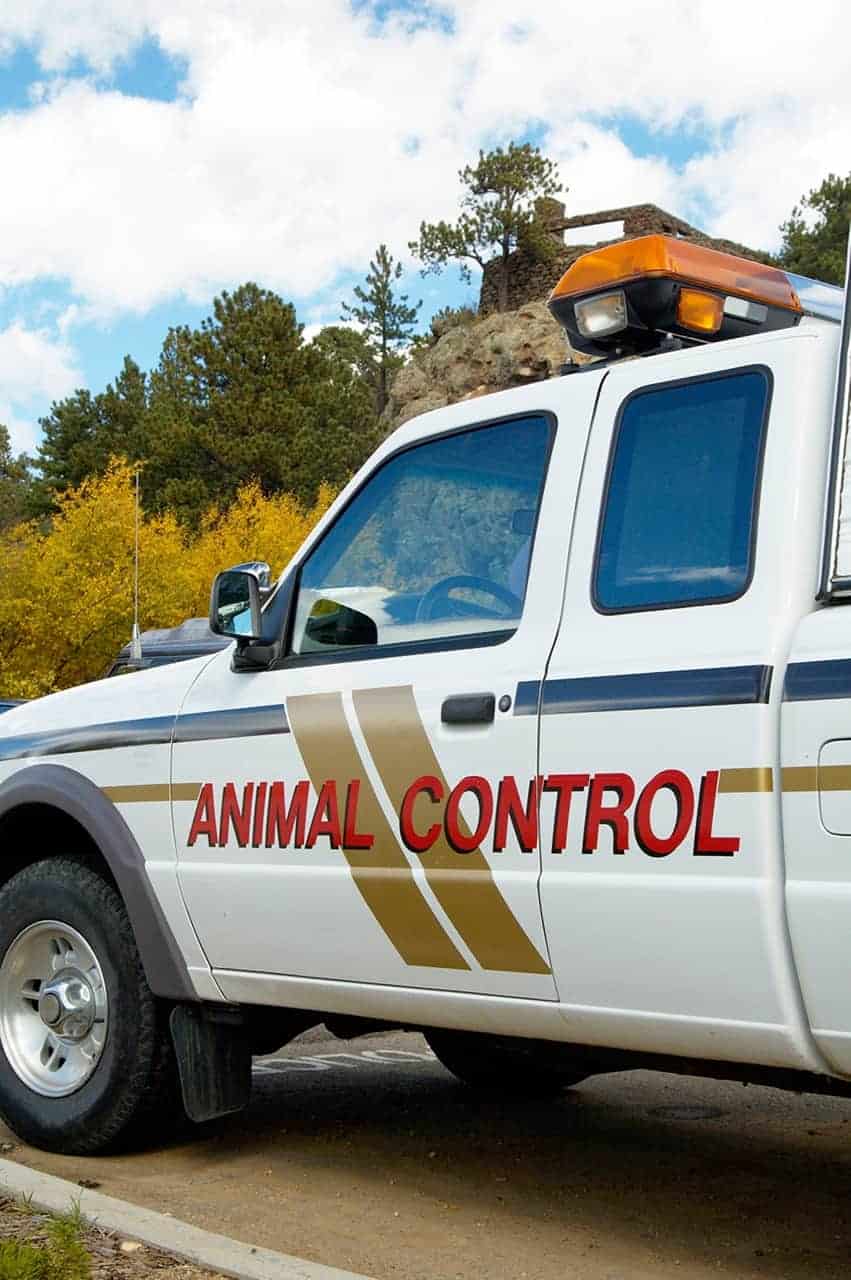
Wildlife exposure creates a real rabies risk for horses. According to the U.S. Centers for Disease Control and Prevention (CDC) report "Rabies surveillance in the United States during 2013," wildlife make up 92% of all reported rabies cases in the country. | Photo: iStock
Raccoons

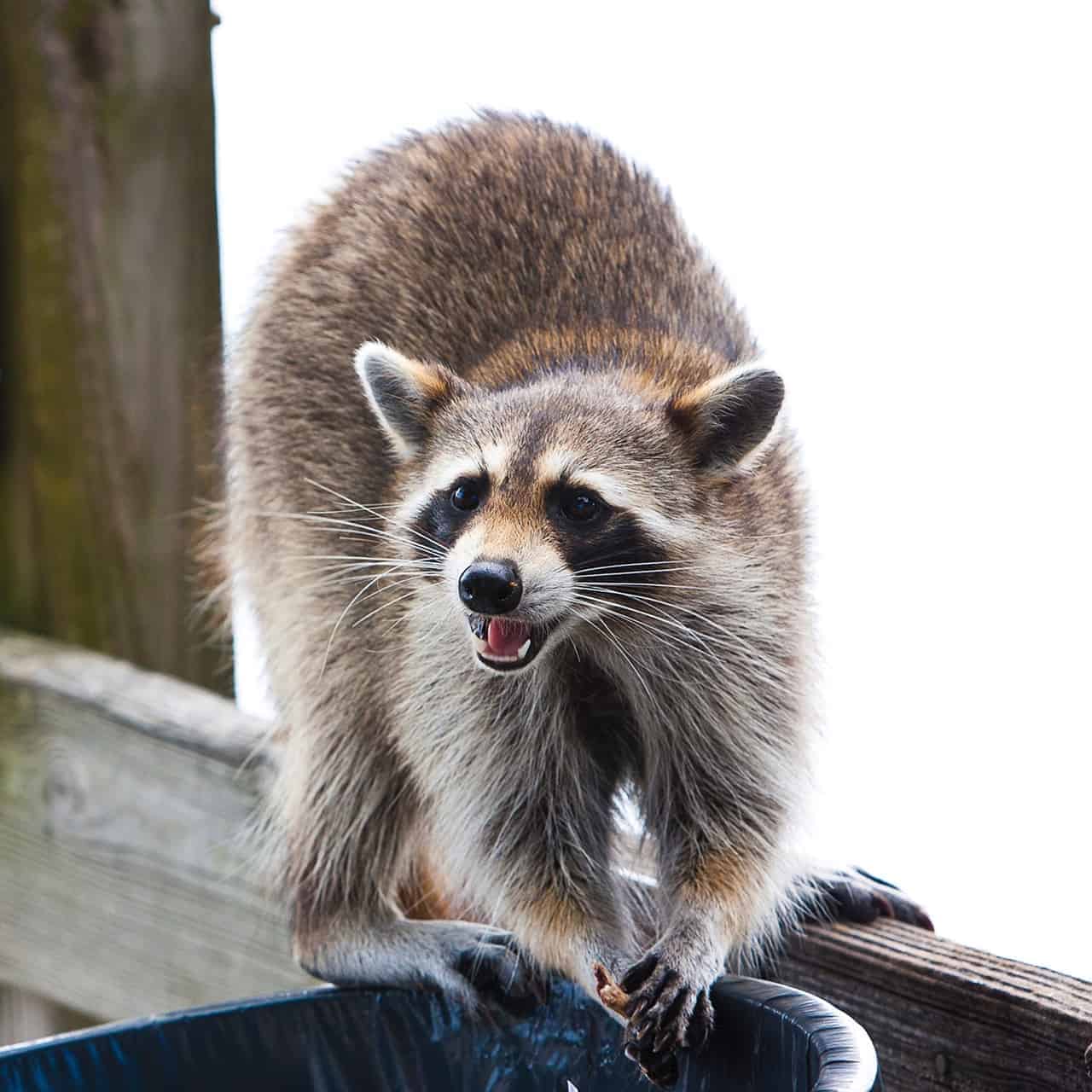
Raccoons are the most common wildlife to contract rabies, with 1,898 reported U.S. cases in 2013. These highly intelligent, nocturnal mammals are attracted to horse barns by food. Protect your horses by vaccinating your herd for rabies, emptying stable garbage bins each evening, keeping feed (including dog and cat food) in securely sealed bins, and not leaving cat and dog food out for free feeding. | Photo: iStock
Skunks

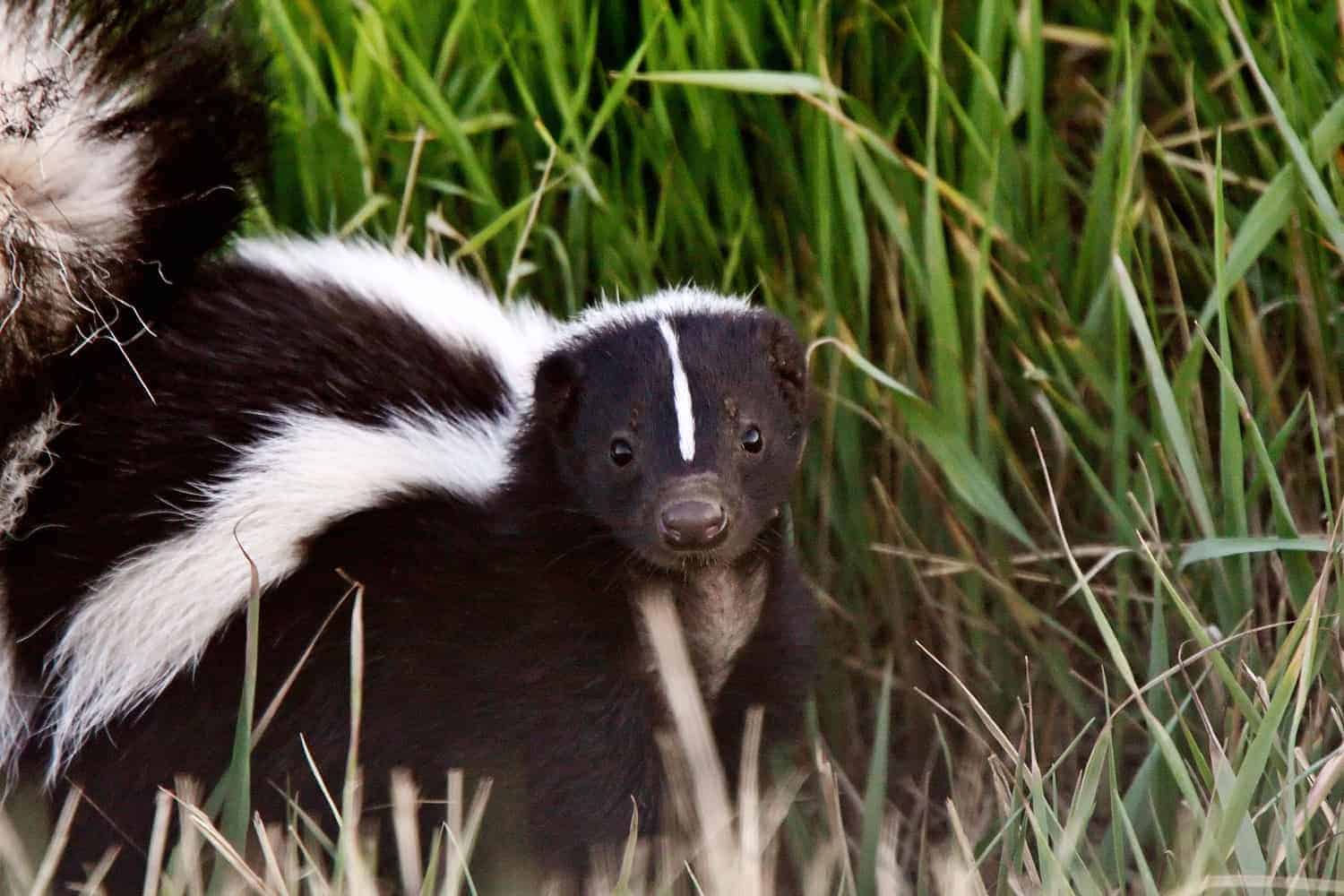
Skunks are another common resident on horse farms that can contract and spread rabies. In 2013, skunks represented nearly 25% of rabies cases in the United States. Rabies in skunks and raccoons peaks during March and April. | Photo: iStock
Bats

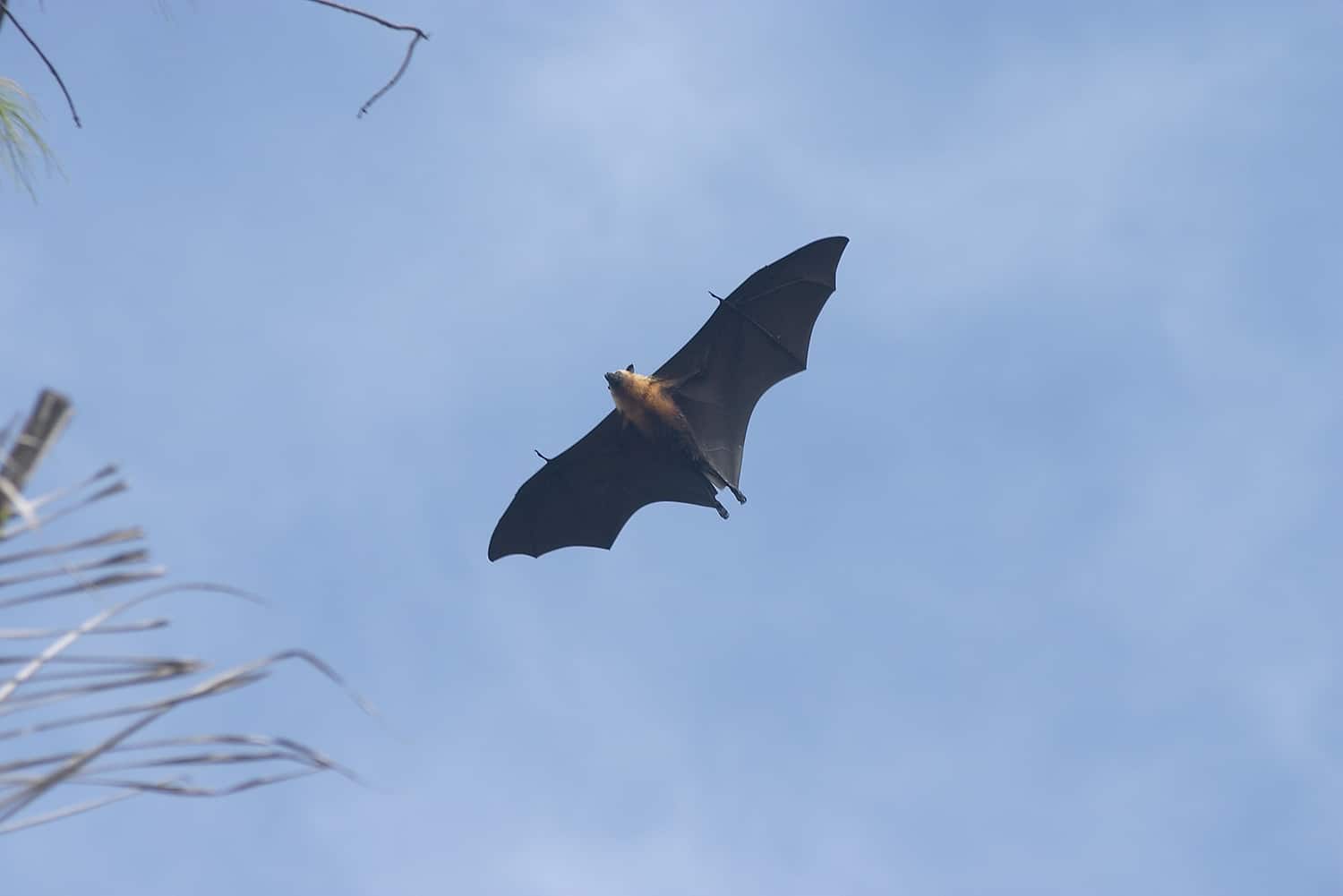
Bats help control insect populations. In fact, according to biologists at Arizona State University, a single bat can eat up to 1,200 mosquitos an hour (remember that mosquitos spread equine diseases such as West Nile virus and Eastern and Western equine encephalitis). However, bats are also known to spread rabies. The best way to protect your horse living near bat populations is with annual rabies vaccination. | Photo: iStock
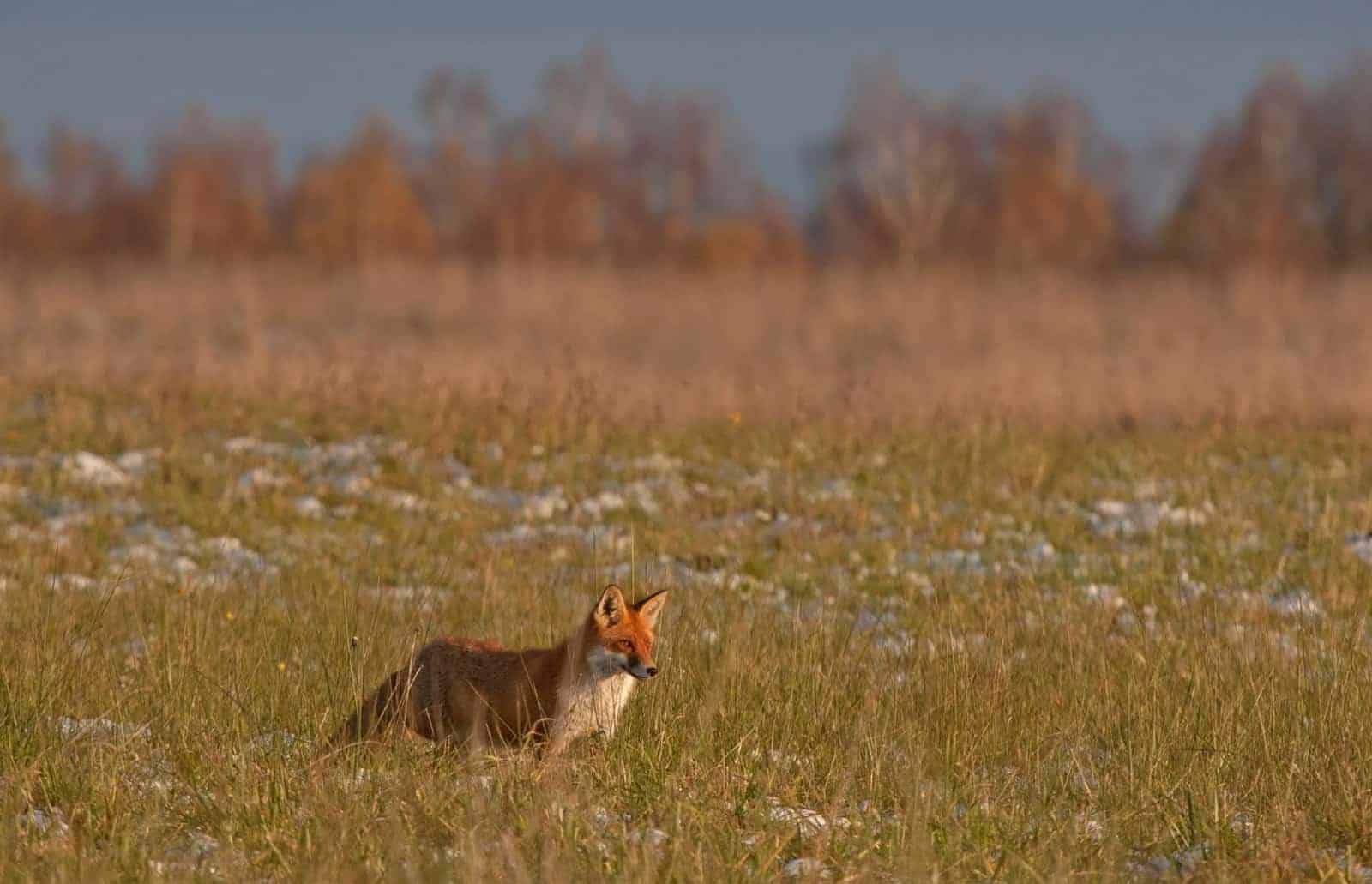
Foxes

About 6% of wildlife rabies cases in the United States were in foxes in 2013. | Photo: iStock
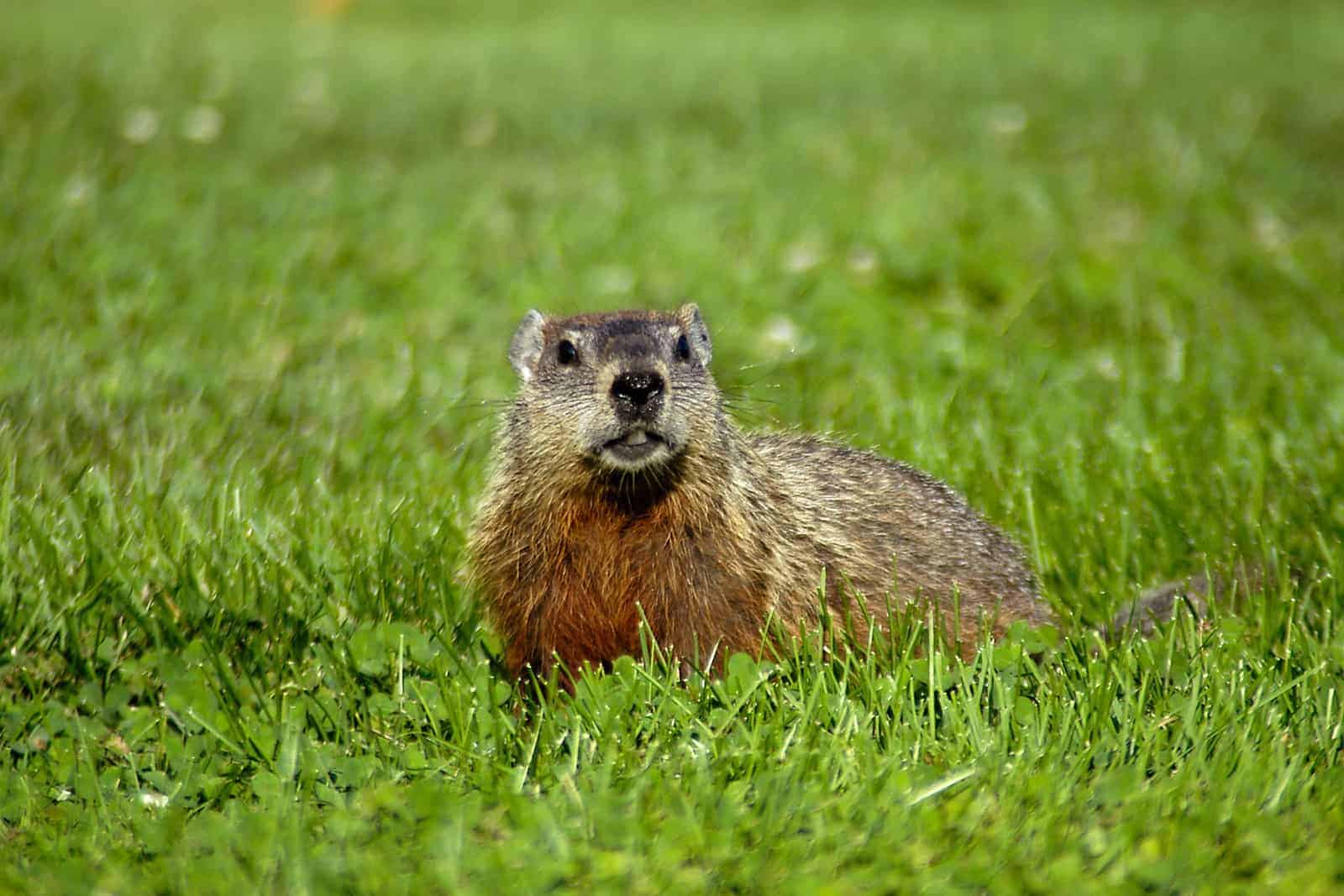
Woodchucks (Groundhogs, Marmots)

Rabies is considered rare in rodents, such as mice and rats. However, according to the CDC, woodchucks accounted for 86% of the 368 cases of rabies among rodents reported from 1985 to 1994. | Photo: iStock
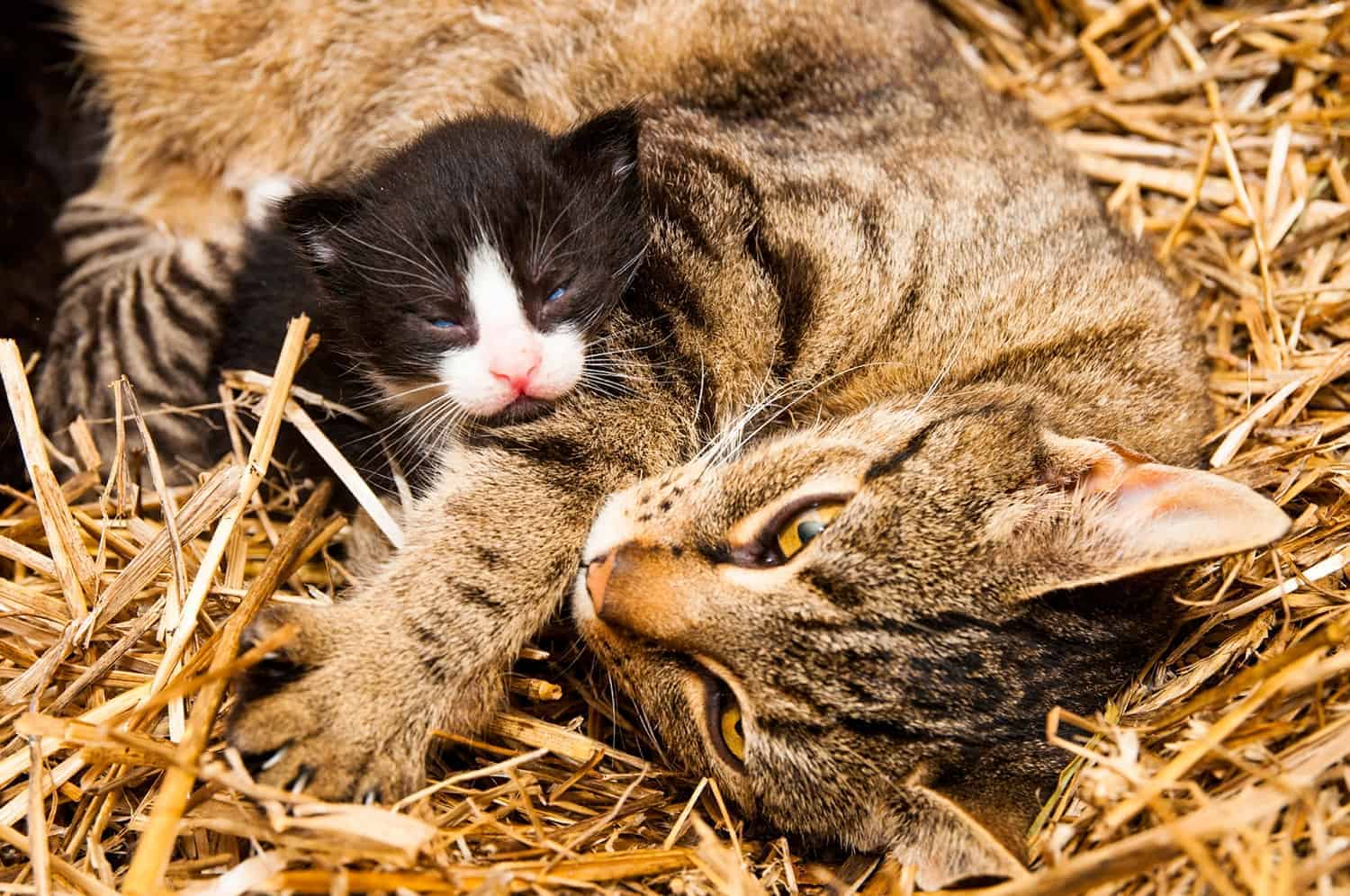
Keep Your Cats Vaccinated

Do you need a reason to keep your barn cats up-to-date on their rabies vaccines? Since 1992, cats have represented the majority of reported rabies cases in domestic animals, according to data collected by the CDC. | Photo: iStock
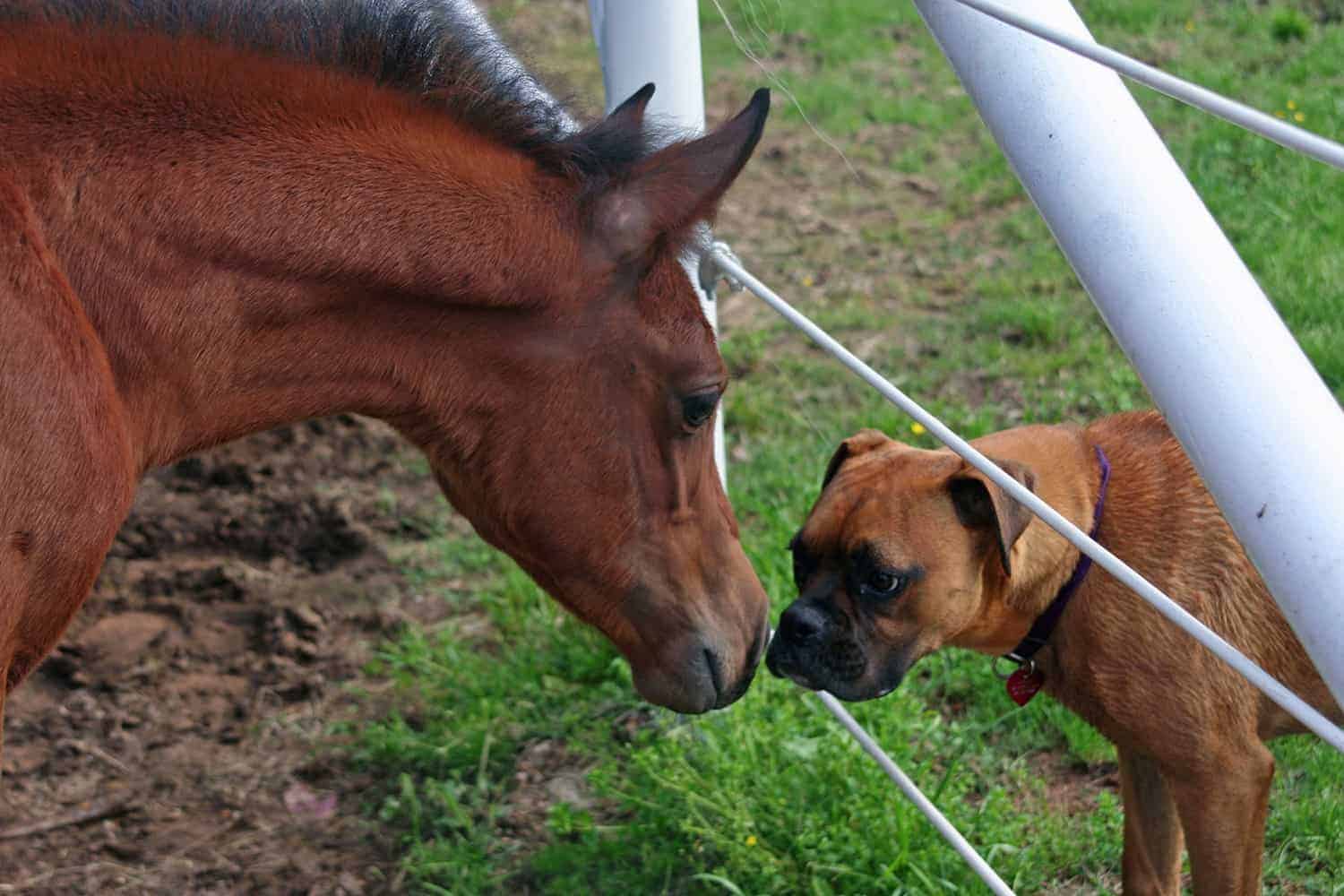
Vaccinate Your Dogs

Keeping your dogs up-to-date on their rabies vaccines can also protect you, your horses, and your other pets from exposure to the fatal disease. According to the CDC, "Unvaccinated dogs, cats, and ferrets exposed to a rabid animal should be euthanized immediately. If the owner is unwilling to have this done, the animal should be placed in strict isolation for six months and vaccinated one month before being released." | Photo: iStock
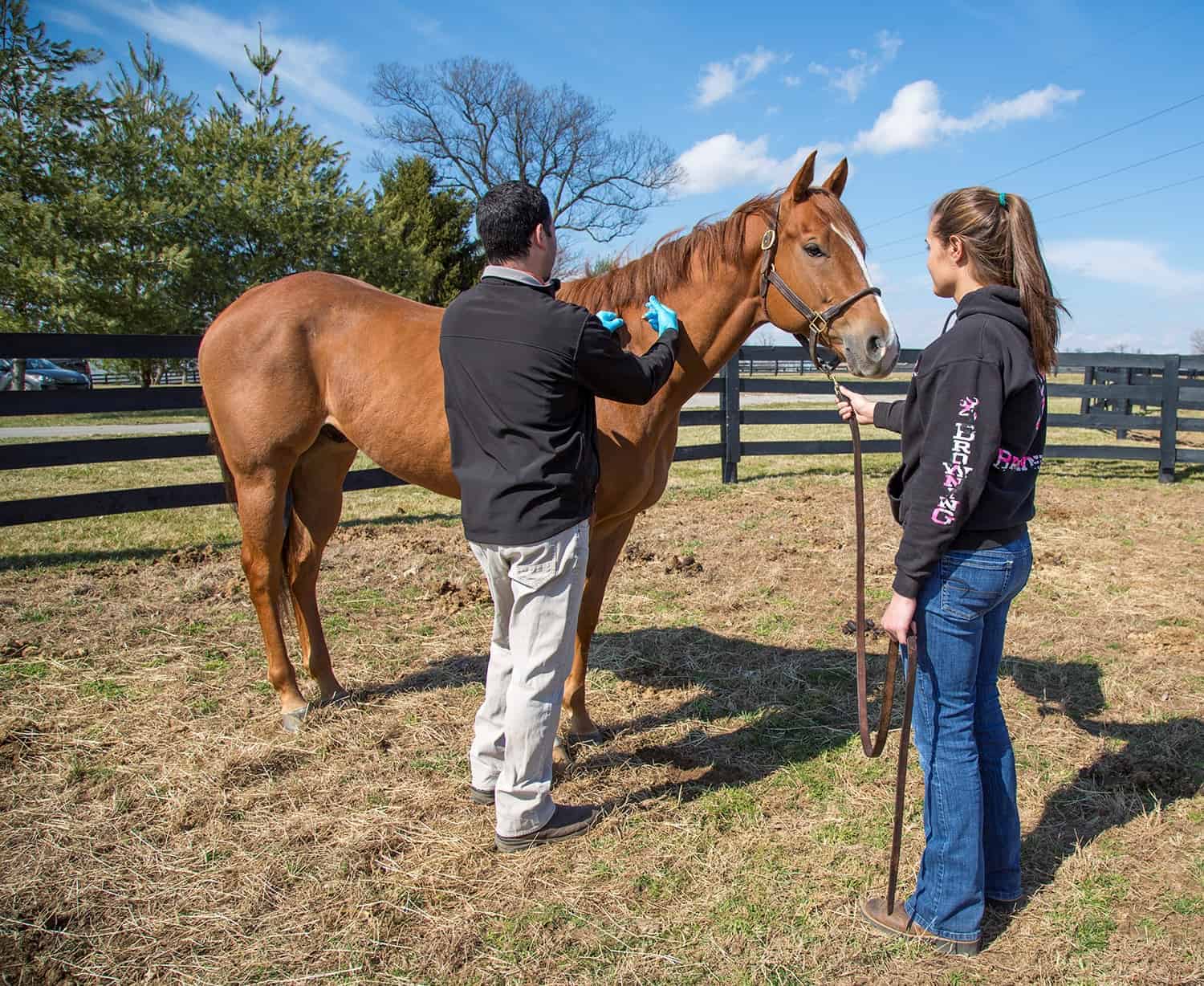
Vaccination: Your Best Insurance to Protect Your Horse

Rabies is an American Association for Equine Practitioners' core vaccine for horses. Annual vaccination by your veterinarian can protect horses (and you) from rabies exposure. An unvaccinated horse being exposed to rabies can lead to euthanasia. | Photo: Kevin Thompson/The Horse

Share

The Horse Staff

The Horse: Your Guide To Equine Health Care is an equine publication providing the latest news and information on the health, care, welfare, and management of all equids.
MORE ARTICLES BY THIS AUTHOR
PrevPreviousUGA Large Animal Hospital Temporarily Closed Due to EHV-1
NextDo You Vaccinate Your Horse for Rabies? Readers Weigh InNext

Related Articles

2022 Best Barn Dog Contest: Editors’ Picks

Common Equine Skin Conditions

2021 “Itchy Horse Challenge” Contest: Editors’ Picks

2021 ‘My Horse is Worth Protecting’ Contest: Editor’s Picks

Stay on top of the most recent Horse Health news with

FREE weekly newsletters from TheHorse.com

Learn More

Sponsored Content

Poll Recap: Readers Share Their Top Nutrition Sources

What’s the Best Gut Supplement for Your Horse?

hunter horse cantering, closeup of joints

The Importance of Prevention in Equine Osteoarthritis

closeup of horse's legs walking through wet, muddy footing

The 3 Worst Threats to Your Horse’s Skin—and What to Do About Them

Weekly Poll

sponsored by:

What’s your biggest challenge when trying to improve barn air quality?
39 votes · 39 answers
VOTEView poll results
View All Polls

Readers’ Most Popular

free fecal water syndrome

Running Loose: Tackling Chronic Diarrhea in Horses

closeup of horse's legs walking through wet, muddy footing

The 3 Worst Threats to Your Horse’s Skin—and What to Do About Them

5 Secrets to Stronger Hooves

Parasite Control for Today's Horses

Parasite Control for Today’s Horses

Top Categories

  • Breeding and Reproduction
  • Nutrition
  • Horse Care
  • Hoof Care
  • Diseases and Conditions
  • Vet and Professional
Partners in Equine Health
AAEVT Logo
World Equine Veterinary Association logo
AAEP logo
BEVA logo
International Association of Professional Farriers logo
Equine Protozoal Myeloencephalitis logo

Seek the advice of a qualified veterinarian before proceeding with any diagnosis, treatment, or therapy.

Follow us

Youtube Instagram Pinterest Facebook Twitter

Our Sites

  • A Home For Every Horse
  • American Cowboy
  • Barrel Racing Magazine
  • Breakaway Roping Journal
  • Calf Roping
  • EQUUS
  • Haul Safe
  • Hope In The Saddle
  • Horse & Rider
  • Practical Horseman
  • Stable Management
  • Team Roping Journal
  • The Horse
  • US Rider
  • US Roper
  • A Home For Every Horse
  • American Cowboy
  • Barrel Racing Magazine
  • Breakaway Roping Journal
  • Calf Roping
  • EQUUS
  • Haul Safe
  • Hope In The Saddle
  • Horse & Rider
  • Practical Horseman
  • Stable Management
  • Team Roping Journal
  • The Horse
  • US Rider
  • US Roper

Resources

  • About Us
  • Contact Us
  • Freelance Info
  • Help
  • Horse Radio Network
  • About Us
  • Contact Us
  • Freelance Info
  • Help
  • Horse Radio Network

Company

  • Meet the Staff
  • Mission Statement
  • Terms of Use
  • Community Policy
  • Advertise with Us
  • Data Subject Access Request
  • Privacy Policy
  • Cookie Consent
  • Meet the Staff
  • Mission Statement
  • Terms of Use
  • Community Policy
  • Advertise with Us
  • Data Subject Access Request
  • Privacy Policy
  • Cookie Consent
Your Privacy Choices
Seek the advice of a qualified veterinarian before proceeding with any diagnosis, treatment, or therapy.
  • RSS feed
  • Site Map
  • Privacy
  • EquineNetwork.com
  • RSS feed
  • Site Map
  • Privacy
  • EquineNetwork.com
Copyright ©2026 Equine Network, LLC. All rights reserved. Reproduction in whole or in part in any form or medium without written permission of Equine Network, LLC is prohibited. THE HORSE, THE HORSE logo, THEHORSE.com and THEHORSE.com logo are trademarks of Equine Network, LLC.

We use cookies to improve your experience on our site. By using our site you consent to cookies. Learn more

Sign In

Lost your password?

Don’t have an account? Register for a FREE account here.

Create a free account with TheHorse.com!

"*" indicates required fields

Name*
Password*

Profile

Do you own a horse?
Do you own a horse trailer?
Do you own a horse farm?
In which equestrian disciplines do you ride, show, or participate?

Newsletter Offers

Weekly Newsletters
Monthly Newsletters
Other Newsletters
By clicking "subscribe", I consent to Equine Network’s Privacy Policy and Terms of Service and I represent that I am over 16 years old.
The Horse
Powered by  GDPR Cookie Compliance
Privacy Overview

This website uses cookies so that we can provide you with the best user experience possible. Cookie information is stored in your browser and performs functions such as recognising you when you return to our website and helping our team to understand which sections of the website you find most interesting and useful.

Strictly Necessary Cookies

Strictly Necessary Cookie should be enabled at all times so that we can save your preferences for cookie settings.