Study: Straw-Hay Mix Helps Ponies Lose Weight Safely
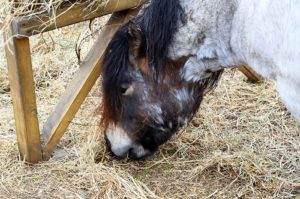
Scottish researchers found a half barley straw and half hay ration helped ponies lose weight.


Scottish researchers found a half barley straw and half hay ration helped ponies lose weight.

A 26-year-old pony mare recovered fully with treatment after accidentally receiving more than 100 times her usual dose of pergolide.

Biomechanics expert: The wrong rehab program for a horse can be counterproductive.

Researchers measured horses’ facial sensitivity to touch, pressure, and heat. The results could help diagnose cases of equine idiopathic headshaking and improve welfare.

Researchers say progressive changes in diets lead to healthier microbiomes and fewer digestive issues, such as diarrhea and colic.

A study found children falling off their horses experienced more severe and complex elbow fractures than those involved in nonequestrian accidents.

Laminitic horses try to keep off their painful toes as much as possible. But as a new biomechanics study shows, they can’t—at least not all the time.
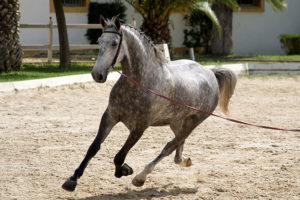
Horses experience changes in force on their bodies and limbs when they turn. This can affect lameness exams, making them look both more and less lame. And should racetracks be banked?

Researchers found blanketed horses during a Wisconsin winter ate 8% less free-choice hay than their unblanketed peers while maintaining similar body conditions.

The drug used to bring mares into heat for breeding might be just as effective at keeping them out of heat when given at different doses.

Scientists have unearthed an ancient “uncle” to equids in India, pointing to the evolutionary origins of horses.
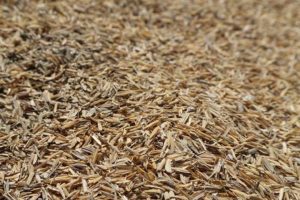
Blending at least 15% chaff with a horse’s feed can increase consumption times and reduce health risks such as colic and choke.
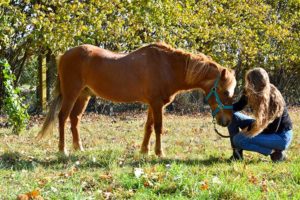
Learn how horse owners can use empathy to predict and interpret horses’ behaviors and respond appropriately.

Researchers observed horses in three scenarios with unfamiliar humans armed with carrots. They found the horses reacted differently based on the humans’ intentions.
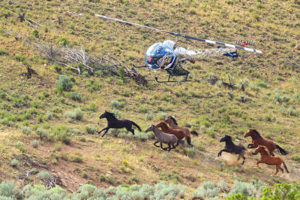
A University of Wyoming researcher reviewed 10 years of data about BLM wild mustang and burro captures and related equid injuries and death.

A study using the test found asthmatic horses appear to have allergic triggers similar to humans, including a common arena footing material: latex.